

Fairness in blockchain token allocations is a persistent challenge, especially as decentralized finance (DeFi) matures and new protocols race to attract both capital and community. Traditional distribution models often concentrate wealth and power among early insiders or whales, undermining the core Web3 ideals of inclusivity and decentralization. Enter the U-shaped distribution model: a fresh approach designed to rebalance influence by rewarding both small-scale participants and the largest contributors, while minimizing allocations to those in the middle.
How U-Shaped Distribution Works in Practice
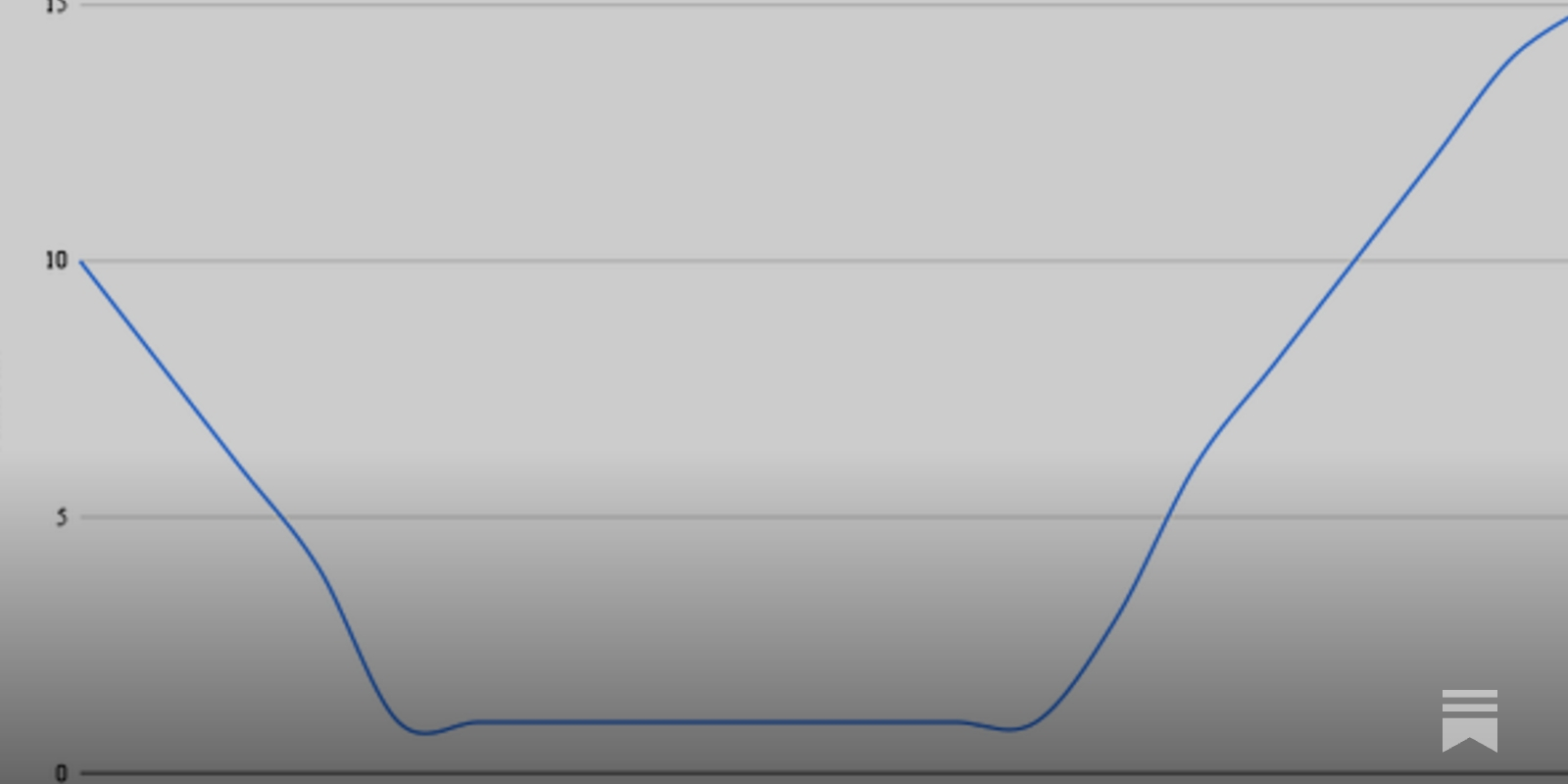
A U-shaped distribution model allocates tokens so that the highest shares go to participants at both ends of the spectrum - small holders and large stakeholders. Mid-sized participants receive proportionally less. The rationale is clear: empower grassroots users who often get overlooked, while still incentivizing major backers who are critical for network security or ecosystem growth.
This approach stands in stark contrast to linear or pro-rata models, where token allocations scale simply with contribution or investment size. In those systems, mid-sized players can end up wielding disproportionate influence without bringing unique value to the protocol. By flattening out the middle and boosting both tails of the distribution curve, U-shaped models aim for a more balanced, decentralized outcome.
MegaETH: A Case Study in Modern Tokenomics
The recent MegaETH launch brings this concept into sharp focus. According to its MiCA-compliant whitepaper, only 9.5% of MEGA tokens are reserved for team members - an unusually modest allocation that signals a commitment to community-first values. Of its total 10 billion supply, 70.3% is earmarked for broader ecosystem incentives and development metrics tied directly to network activity rather than arbitrary time-based cliffs.
Most notably, MegaETH’s upcoming auction for 5% of its MEGA supply will employ a "U-Shaped Allocation" system if demand exceeds supply. This means:
- Core supporters get priority allocations based on proven contributions
- At least 5,000 participants are guaranteed a baseline allocation starting at $2,650 each - ensuring broad access even for smaller wallets
- If oversubscribed, mid-tier bidders will receive less relative to their bid size compared to both high-value supporters and grassroots users
This structure is designed not just for optics but for tangible decentralization outcomes: it prevents whales from dominating auctions while also giving everyday users meaningful skin in the game.
The Broader Impact on MEV Redistribution and DeFi Fairness
Why does this matter? In markets where Miner Extractable Value (MEV) can be captured by sophisticated actors with capital or technical edge, token distributions set the tone for who gets rewarded as value flows through a protocol. A fairer initial allocation acts as a foundation for sustainable MEV sharing later on - reducing extraction risks and building trust with new entrants.
By combining U-shaped distributions with transparent on-chain analytics, projects can create more resilient ecosystems where incentives align with long-term participation rather than short-term speculation or extractive behavior.
For protocol designers and DeFi builders, the lesson is clear: distribution models shape power dynamics long after launch day. U-shaped curves do more than just look good on a chart, they actively counteract the tendency for mid-sized actors to quietly accumulate influence, while ensuring that both the smallest and largest contributors feel seen. This has direct implications for governance, liquidity bootstrapping, and the overall health of permissionless markets.
In practice, U-shaped allocations can be tuned to match a project’s unique needs. For example, MegaETH’s baseline allocation of $2,650 ensures that thousands of community members have a real stake in governance from day one, without diluting incentives for major ecosystem partners. By tying token issuance to network development metrics instead of arbitrary vesting schedules, MegaETH also reduces the risk of mercenary capital or “farm-and-dump” cycles that have plagued previous DeFi launches.
Navigating Challenges and Real-World Tradeoffs
No model is perfect. U-shaped distributions require robust participant verification to prevent gaming, such as splitting wallets to appear as multiple small holders or aggregating bids to simulate whale status. Transparent communication and open-source allocation algorithms are essential for legitimacy. Projects must also be ready to adapt: market conditions, user behavior, and regulatory contexts can all impact what “fairness” looks like in practice.
The community’s response matters as much as the math. Early feedback on MegaETH’s approach has been largely positive, with users praising both the team’s modest 9.5% allocation and their willingness to experiment with novel distribution mechanics. Still, some skeptics warn that any system can be exploited if not rigorously monitored and iterated upon.
Key Takeaways for Builders and Traders
- For protocol teams: Consider U-shaped or hybrid distribution models if your goal is long-term decentralization, not just initial hype.
- For traders: Watch for projects using these models; early participation can yield outsized influence compared to traditional pro-rata launches.
- For researchers: Track how MEV flows change over time in ecosystems with fairer starting conditions, real-time analytics are your friend here.
If you’re evaluating a new project’s tokenomics, look beyond headline numbers like “team allocation” or “total supply. ” Ask how allocations are structured across participant types, and whether mechanisms exist to prevent concentration over time. As more protocols turn to innovative models like MegaETH’s U-shaped auction, expect these questions to become standard due diligence for anyone serious about blockchain fairness.
The bottom line? MEV redistribution starts at genesis. By adopting thoughtful, transparent allocation strategies from day one, like those exemplified by MegaETH, projects can set themselves up for sustainable growth while truly living up to the ideals of open finance.




No comments yet. Be the first to share your thoughts!