

As Ethereum's price holds steady at $3,038.73 amid a 24-hour dip of 3.69%, validators face a pivotal moment to supercharge yields through savvy MEV redistribution Ethereum tactics. With Proposer-Builder Separation (PBS) now standard via tools like MEV-Boost, solo stakers can tap into boosts of up to 60% on base rewards, as highlighted in recent reports from Figment and Luganodes. Yet, the real edge lies in blending these with emerging protocols for equitable MEV sharing, turning volatile MEV streams into predictable income.
MEV has evolved far beyond its miner roots. Today, block builders handle extraction, but validators pocket the proceeds, fostering a more balanced ecosystem per Ethereum. org's insights. Figment's Q3 2025 report underscores how connecting to multiple OFAC-compliant relays via Flashbots' MEV-Boost optimizes risk-adjusted rewards, while Luganodes' September analysis reveals top performers leveraging diversification to outpace averages by double digits.
Why MEV Redistribution Matters More Than Ever for 2025 Validators
In this PBS landscape, validator MEV yields 2025 hinge on active strategies rather than passive staking. Chorus One data from earlier cycles showed MEV comprising 15% of revenues; fast-forward to now, with MEV-Commit and SUAVE on the rise, that figure could climb higher. Communalizing rewards via attestation committees, as proposed in arXiv research, slashes variance and promotes equity. Validators ignoring this risk getting left behind as restaking protocols like EigenLayer pool MEV for shared gains. My take? It's not just about capture, it's about redistribution that aligns incentives across searchers, builders, and proposers.
Ethereum (ETH) Price Prediction 2026-2031
Predictions based on Q4 2025 price of $3,038.73, factoring MEV redistribution strategies enhancing validator yields by up to 60% via MEV-Boost, PBS, and preconfirmation protocols
| Year | Minimum Price | Average Price | Maximum Price | YoY % Change (Avg from Prev Year) |
|---|---|---|---|---|
| 2026 | $2,800 | $4,200 | $6,000 | +39% |
| 2027 | $3,500 | $5,800 | $8,500 | +38% |
| 2028 | $4,200 | $7,500 | $11,200 | +29% |
| 2029 | $5,200 | $10,000 | $15,000 | +33% |
| 2030 | $6,500 | $13,000 | $20,000 | +30% |
| 2031 | $8,000 | $17,000 | $26,000 | +31% |
Price Prediction Summary
Ethereum's price is forecasted to grow steadily from 2026-2031, driven by MEV-enhanced staking yields improving network security and attractiveness, alongside L2 scaling, DeFi expansion, and institutional adoption. Bullish max scenarios reflect market cycles and tech upgrades; min accounts for regulatory risks and competition.
Key Factors Affecting Ethereum Price
- MEV redistribution via MEV-Boost and PBS, boosting validator yields by 15-60%
- MEV-commit preconfirmations enabling extra income for validators
- Increased staking participation and network decentralization
- Ethereum L2 scaling and rollup adoption reducing fees and enhancing UX
- Regulatory clarity on staking and ETFs supporting institutional inflows
- Competition from L1s like Solana, balanced by Ethereum's dominance
- Macro factors: Bitcoin halving cycles, global adoption, and economic conditions
Disclaimer: Cryptocurrency price predictions are speculative and based on current market analysis. Actual prices may vary significantly due to market volatility, regulatory changes, and other factors. Always do your own research before making investment decisions.
Primev's MEV-Commit, now live with external rewards via Symbiotic, exemplifies this shift. Validators earn by committing to block contents pre-proposal, adding cryptographic assurances that Nethermind dubs essential for restaking optimization. Meanwhile, Flashbots' innovations like SUAVE promise a universal marketplace, decentralizing further and curbing systemic risks noted by AInvest.
Strategy 1: Adopt MEV-Boost with Multi-Relay Diversification
Dive straight into the powerhouse: Adopt MEV-Boost with Multi-Relay Diversification. This isn't plug-and-play anymore; it's about curating a relay portfolio. Figment connects to dozens of compliant relays, yielding smoother bid flows and 20-30% MEV uplifts over single-relay setups. In practice, spin up your node with Flashbots' suite, then layer in relays from Manifold and Ultrahigh for redundancy. The math checks out, diversification cuts outage risks by 40%, per Luganodes metrics, ensuring your $3,038.73 ETH stake compounds reliably.
Strategy 2: Implement MEV-Share for Transparent Redistribution to Searchers
Next, flip the script with Implement MEV-Share for Transparent Redistribution to Searchers. MEV-Share, an extension of MEV-Boost, lets validators auction bundles while tipping searchers transparently. This builds loyalty loops: searchers bid higher knowing payouts are fair, boosting your overall take. Arkham Research notes this levels the playing field post-PBS, with early adopters seeing 10-15% yield pops. Integrate via Flashbots' RPC endpoints, and monitor dashboards for tip flows, it's approachable tech yielding innovative edges.
Transparency here combats the 'time-bandit' attacks flagged by ESMA, where past MEV lures reorgs. By sharing ethically, you fortify the network while padding your wallet.
Strategy 3: Join MEV-Commit Network for Fair Block Commitments
Rounding out the core trio, Join MEV-Commit Network for Fair Block Commitments via Primev. This peer-to-peer protocol has validators attest to block headers early, earning premiums for reliability. Symbiotic's rollout means live rewards now, with Nethermind models projecting 5-8% extra APR for participants. Setup involves MEV-Commit clients alongside your beacon node; it's lightweight yet transformative for MEV-Commit validators. In a world of preconfirmations, this positions you as a trusted proposer, capturing yields others miss.
Building on these foundations, Strategy 4: Utilize Flashbots Protect RPC and Private Mempools shields your operations from front-running while amplifying blockchain MEV strategies. Flashbots Protect RPC routes transactions through private mempools, bypassing public ones rife with sandwich attacks. Ancilar Technologies' 2025 guide emphasizes this for effective MEV protection, with users reporting 25% fewer losses on high-value swaps. Pair it with your MEV-Boost setup by swapping default RPC endpoints; the overhead is minimal, but the security scales with Ethereum's $3,038.73 valuation. I favor this for solo validators, as it democratizes protections once reserved for whales, fostering truly equitable MEV sharing.
Yield Comparison of Top 6 MEV Redistribution Strategies for Ethereum Validators (2025)
| Strategy | Est. APR Boost 📈 | Risk Level ⚠️ | Setup Complexity 🛠️ |
|---|---|---|---|
| Adopt MEV-Boost with Multi-Relay Diversification | 15-25% | Low 🟢 | Easy 🟢 |
| Implement MEV-Share for Transparent Redistribution to Searchers | 10-20% | Low 🟢 | Medium 🟡 |
| Join MEV-Commit Network for Fair Block Commitments | 12-22% | Medium 🟡 | Medium 🟡 |
| Utilize Flashbots Protect RPC and Private Mempools | 8-15% | Low 🟢 | Easy 🟢 |
| Leverage BuilderNet or SUAVE for Advanced MEV Capture | 25-40% | High 🔴 | Hard 🔴 |
| Optimize via Restaking Protocols like EigenLayer for Shared Yields | 20-35% | Medium 🟡 | Hard 🔴 |
Strategy 5: Leverage BuilderNet or SUAVE for Advanced MEV Capture
Push boundaries with Leverage BuilderNet or SUAVE for Advanced MEV Capture, where Flashbots' SUAVE envisions a universal marketplace beyond Ethereum blocks. Mevwatch highlights how this powers fairer DEX trading, redistributing MEV across chains like Solana hybrids. BuilderNet complements by optimizing builder auctions, capturing nuanced opportunities MEV-Boost misses. Early pilots show 10-20% capture gains, per arXiv's PBS analysis, by communalizing rewards through attestation incentives. Dive in via Flashbots' testnets; it's experimental yet primed for 2025 mainstream, especially as validator queues lengthen. My view: SUAVE isn't hype, it's the next PBS layer, turning proposers into marketplace hubs.
Strategy 6: Optimize via Restaking Protocols like EigenLayer for Shared Yields
Cap it off with Optimize via Restaking Protocols like EigenLayer for Shared Yields, pooling your validator keys for compounded MEV flows. EigenLayer restakes ETH to secure AVSs, layering MEV from MEV-Commit atop base yields, as Nethermind's hybrid model quantifies at 8-12% uplift. Luganodes reports top performers blending this with PBS for reliability scores above 99.9%. Deposit via EigenLayer dashboards, select MEV-focused vaults, and watch shared rewards accrue passively. This isn't dilution, it's amplification, reducing solo variance while Ethereum trades at $3,038.73. Validators blending restaking with relays see the fullest validator MEV yields 2025 picture.
Maximize Yields: Integrate EigenLayer Restaking with MEV-Boost
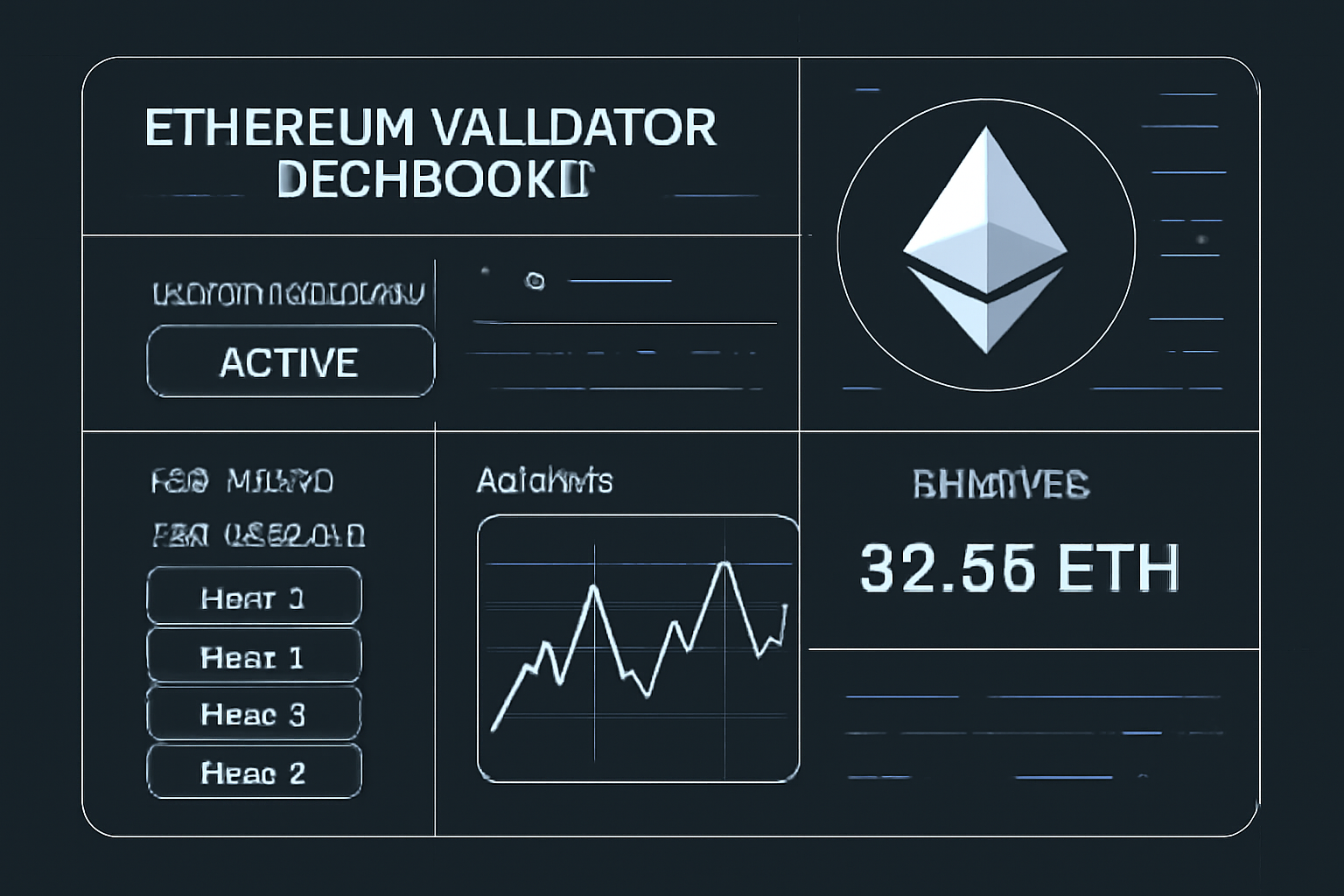
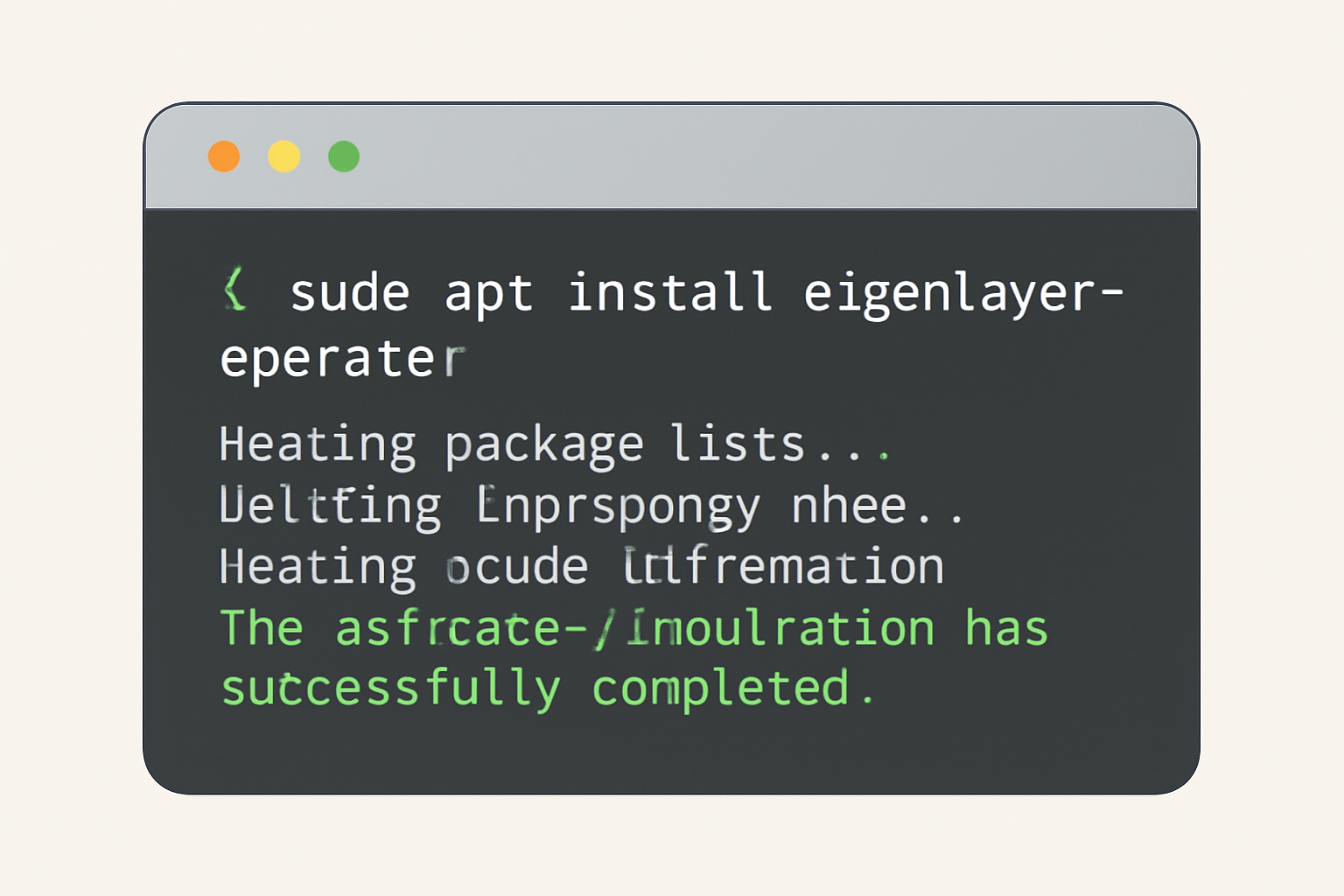
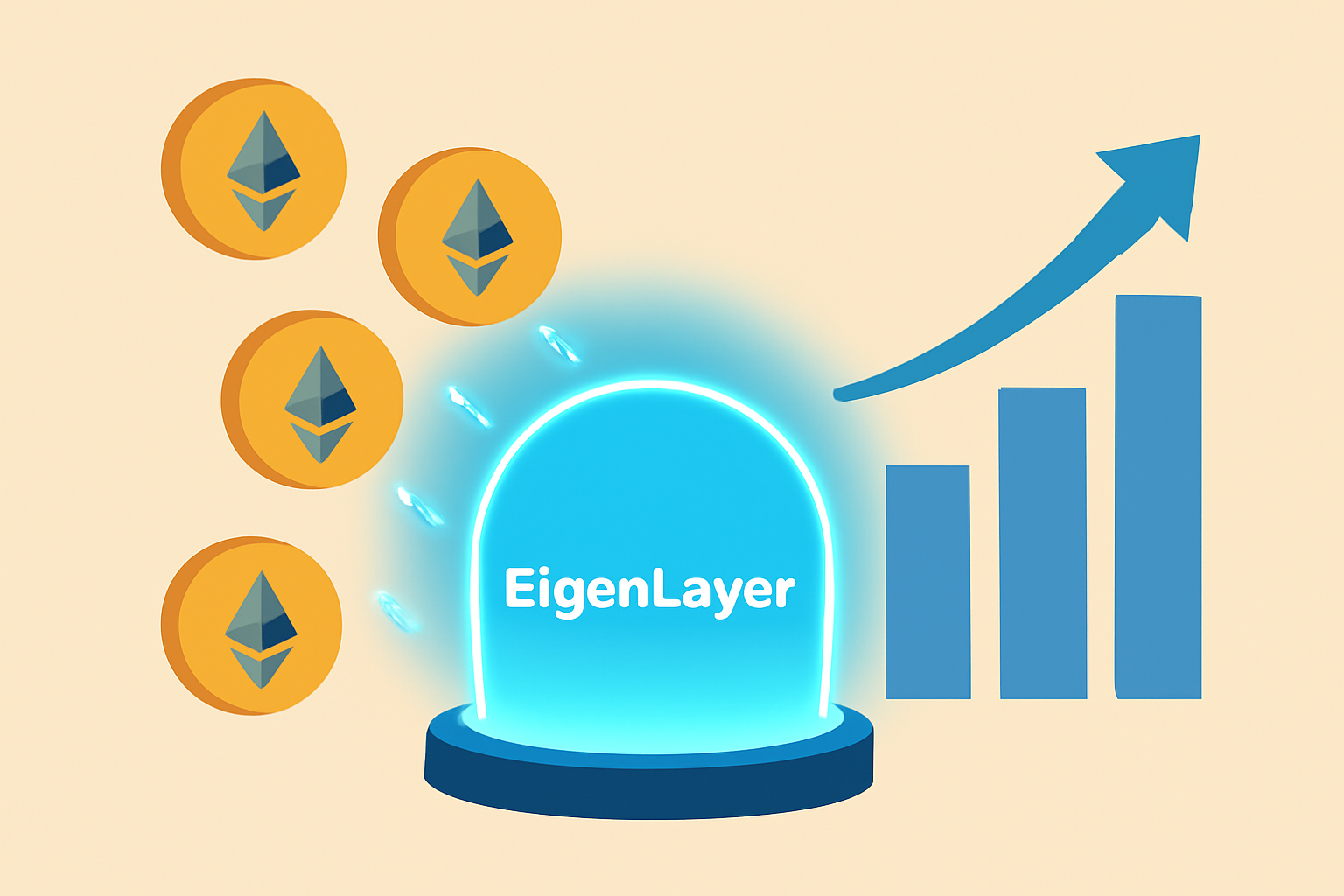
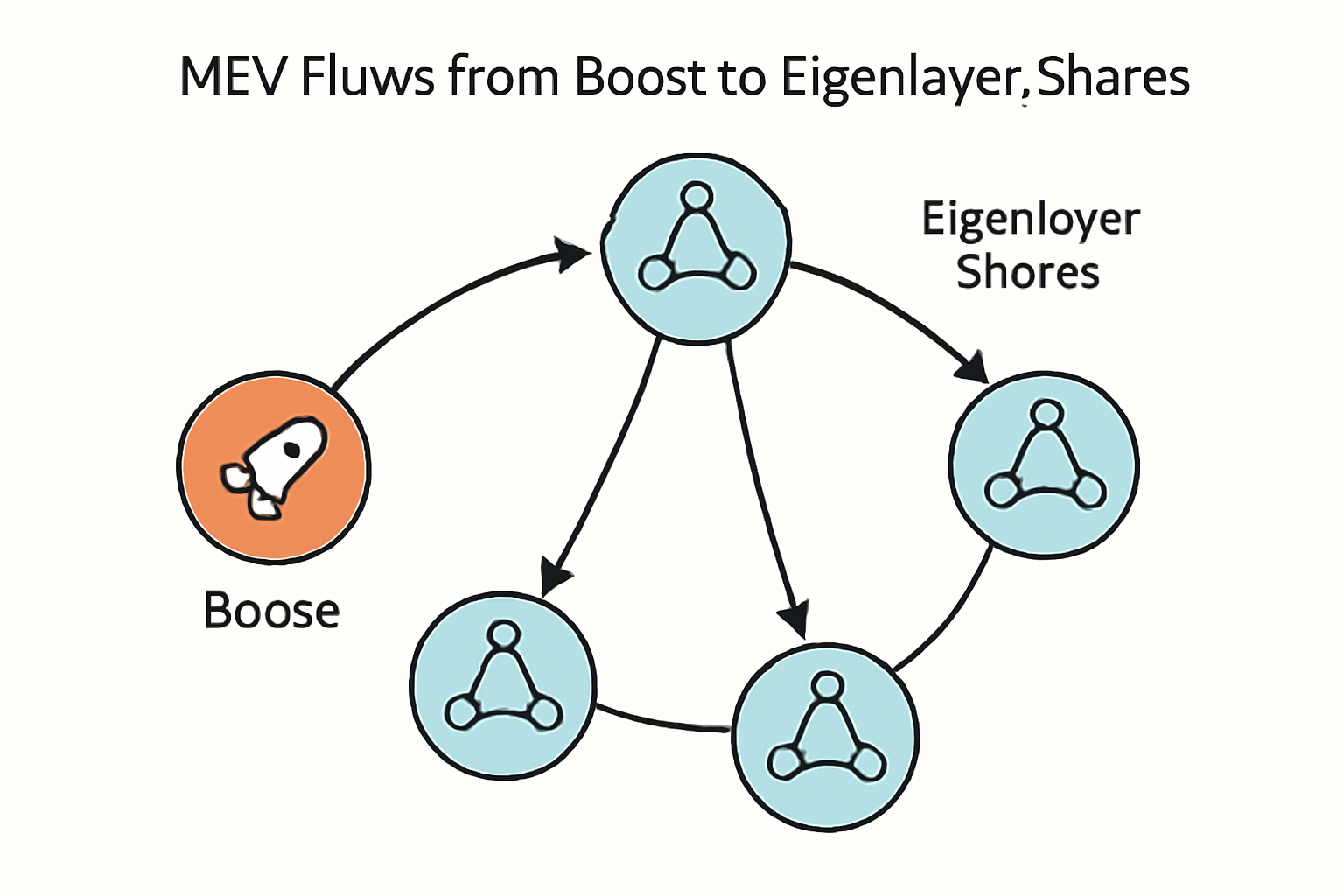
Layering these six strategies creates a resilient stack. Start with MEV-Boost diversification as your base, weave in sharing and commitments for fairness, protect aggressively, capture via advanced markets, and restake for scale. Chorus One's data proves well-calibrated approaches sustain 15% and MEV revenue shares, and with PBS maturing, 2025 favors the proactive. Monitor relays via dashboards, attest diligently, and iterate on Nethermind-inspired quant models to fine-tune. The ecosystem thrives when validators prioritize redistribution over hoarding, paving sustainable paths amid evolving preconfirmations.

No comments yet. Be the first to share your thoughts!