

In the bustling ecosystem of Monad, where parallel execution powers unprecedented scalability, validators and stakers are redefining profitability through equitable MEV distribution. FastLane's Sidecar stands out as a game-changer, automating MEV revenue sharing so that everyone from solo operators to large delegators benefits fairly. No more opaque middlemen or uneven splits; this tool connects directly to the mempool, scores transactions for value, and disburses rewards every epoch. As of early 2026, it's already capturing the imagination of the community, with over two-thirds of stake weight plugged in.
Unlocking Monad's MEV Potential with FastLane Sidecar
Monad's design, blending Ethereum compatibility with blistering performance, naturally amplifies Miner Extractable Value opportunities. But without the right tools, that value often concentrates in few hands. Enter FastLane Sidecar: a lightweight client that runs alongside your validator node, tapping into the local transaction mempool via monad-bft version 0.12.6 or later. It intelligently orders top-of-block and backrun bundles, maximizing extraction without introducing trust risks or relying on block builders and relays.
This isn't just another plugin; it's the cornerstone of the world's first fully decentralized MEV protocol on Monad, co-developed with Category Labs. Validators gain priority fees and MEV boosts, while stakers see those rewards flow back automatically. Picture this: your node humming along, the Sidecar quietly optimizing, and at epoch's end, revenue hits your wallet proportionally. It's MEV revenue sharing for validators done right, fostering a healthier network where participation pays off for all.
I love how this aligns perfectly with Monad Foundation's Validator Design Principles, ensuring no eligibility hiccups for delegations. It's empowering smaller validators too, leveling the playing field in a space often dominated by giants.
The Mechanics of Auto-Distribution and Fair Shares
At its core, the Sidecar inspects incoming transactions, scores them based on embedded MEV, and feeds optimal ordering preferences back to your node. Searchers bid via the Auction Handler smart contract, keeping everything on-chain and transparent. Revenue? Auto-distributed every epoch - think under 30 minutes from setup to rewards. This setup captures value from arbitrage, liquidations, and more, then splits it equitably among participants.
For stakers, this means real staker MEV rewards on Monad, integrated seamlessly with protocols like Magma's gMON liquid staking token. Stake MON, get gMON that accrues MEV while usable in DeFi as collateral. It's a virtuous cycle: more stake security, richer ecosystem, sustained growth. FastLane's vision, backed by heavyweights like Coinbase Ventures, positions Monad as the frontrunner in Monad MEV redistribution.
Critics might worry about centralization, but the design squashes that - no private RPCs, pure decentralization. In my view, this is the blueprint for future L1s, where MEV isn't extracted at users' expense but shared to fuel innovation.
Why Validators Are Rushing to Adopt FastLane Sidecar
Adoption stats tell the story: 103 out of 170 validators, commanding 67% of stake weight, are already live. Why the hurry? Simple economics. Running the Sidecar boosts yields without downtime or complexity, much like MEV-Boost did for Ethereum but tailored for Monad's architecture. It connects directly to your mempool, ensuring you never miss lucrative bundles.
Plus, community momentum via the Monad MEV Research Group unites validators, protocols, and researchers. Whether you're onboarding via shMonad guides or fine-tuning a full node, adding Sidecar elevates your operation. Stakers benefit indirectly as delegations flock to optimized validators, creating a flywheel effect for equitable MEV distribution in blockchain.
It's not hype; it's happening now, and jumping in early secures your slice of Monad's MEV pie.
That checklist is your quick win, but let's dive deeper into making FastLane sidecar setup a breeze for anyone running a Monad validator. Whether you're a seasoned operator or just firing up your first node, the process mirrors Ethereum's MEV-Boost simplicity yet fits Monad's high-throughput world like a glove. No heavy dependencies, no rebuilds - just add, configure, and go live.
Step-by-Step FastLane Sidecar Installation
Install FastLane Sidecar: Boost MEV Rewards for Monad Validators in Minutes
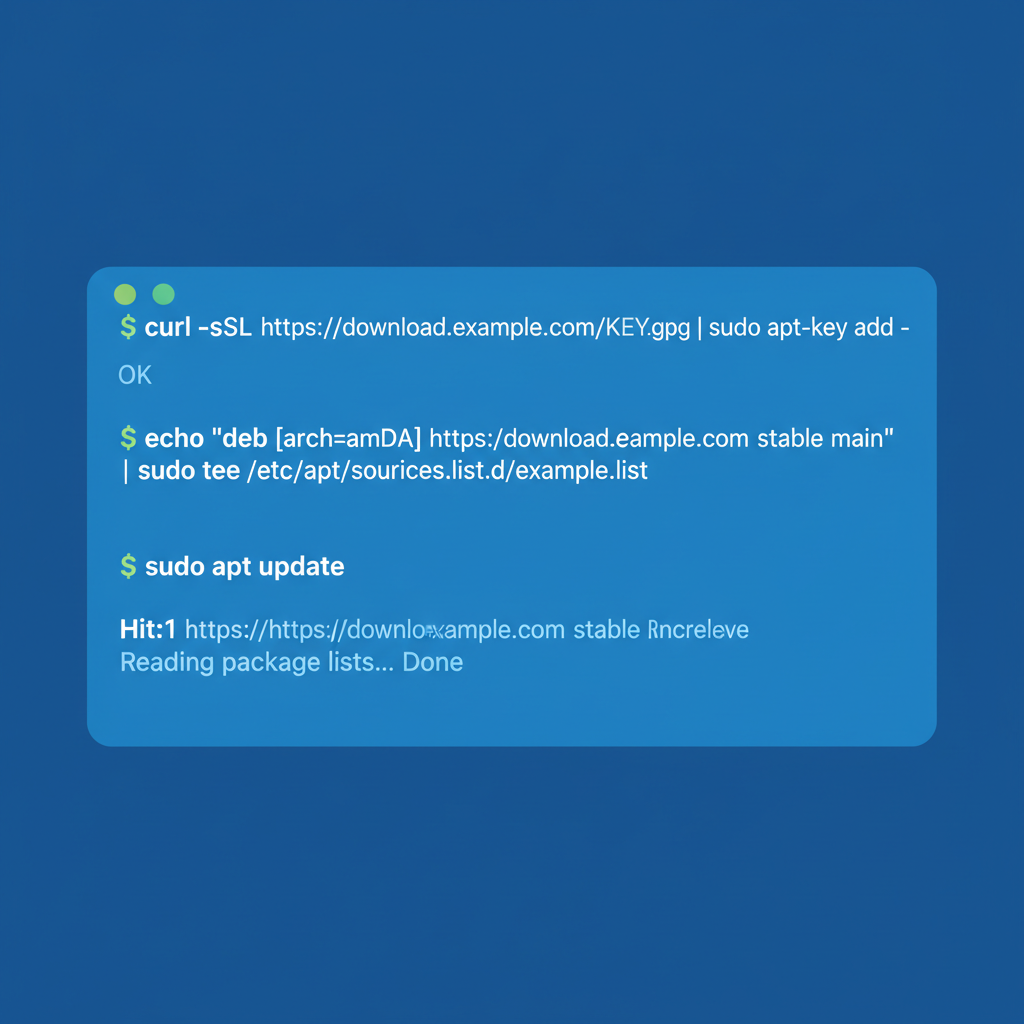
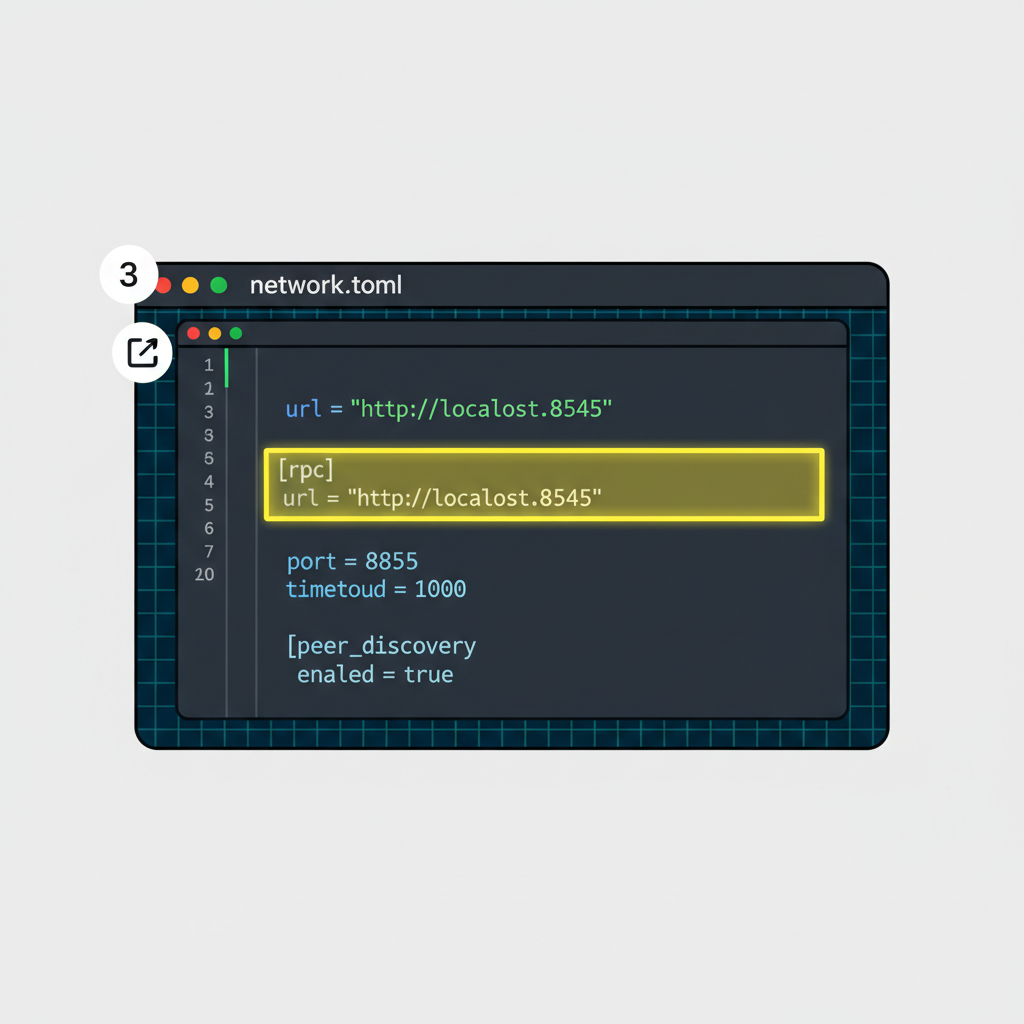
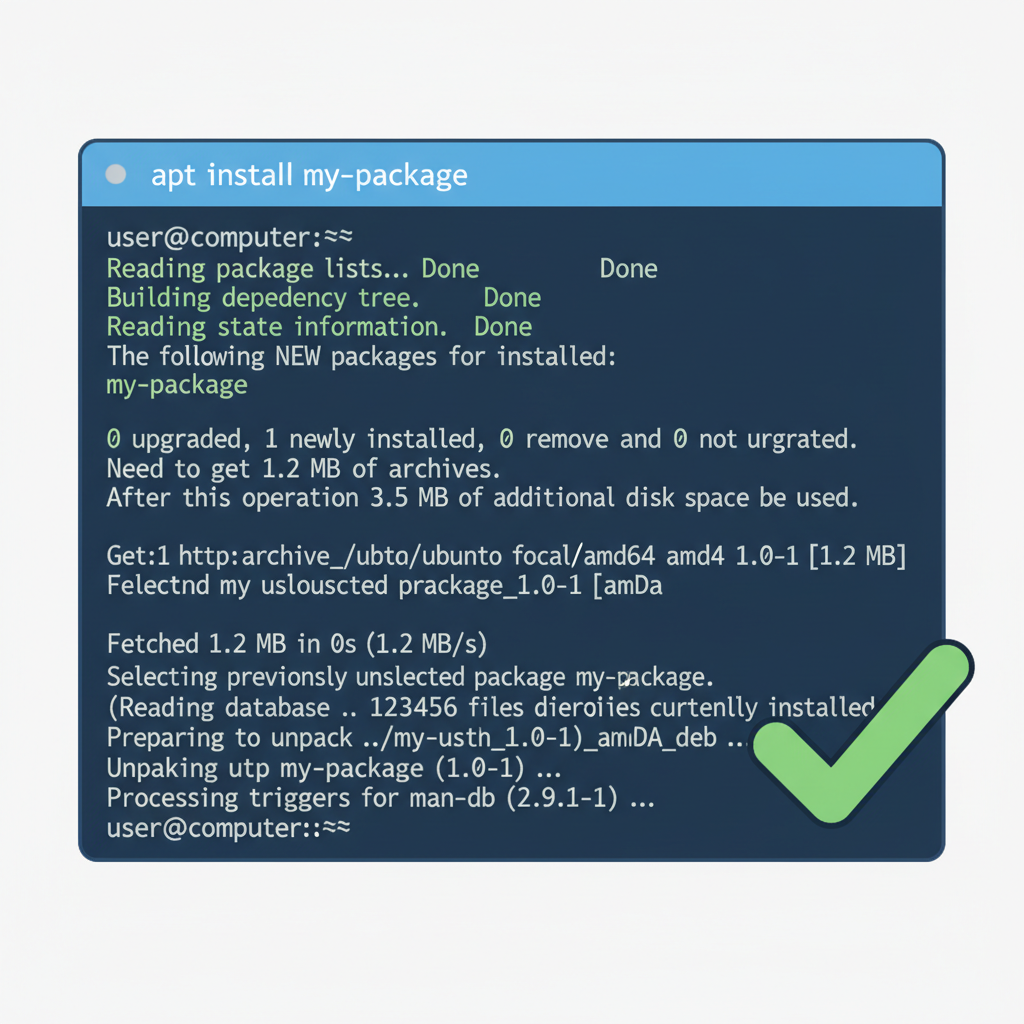
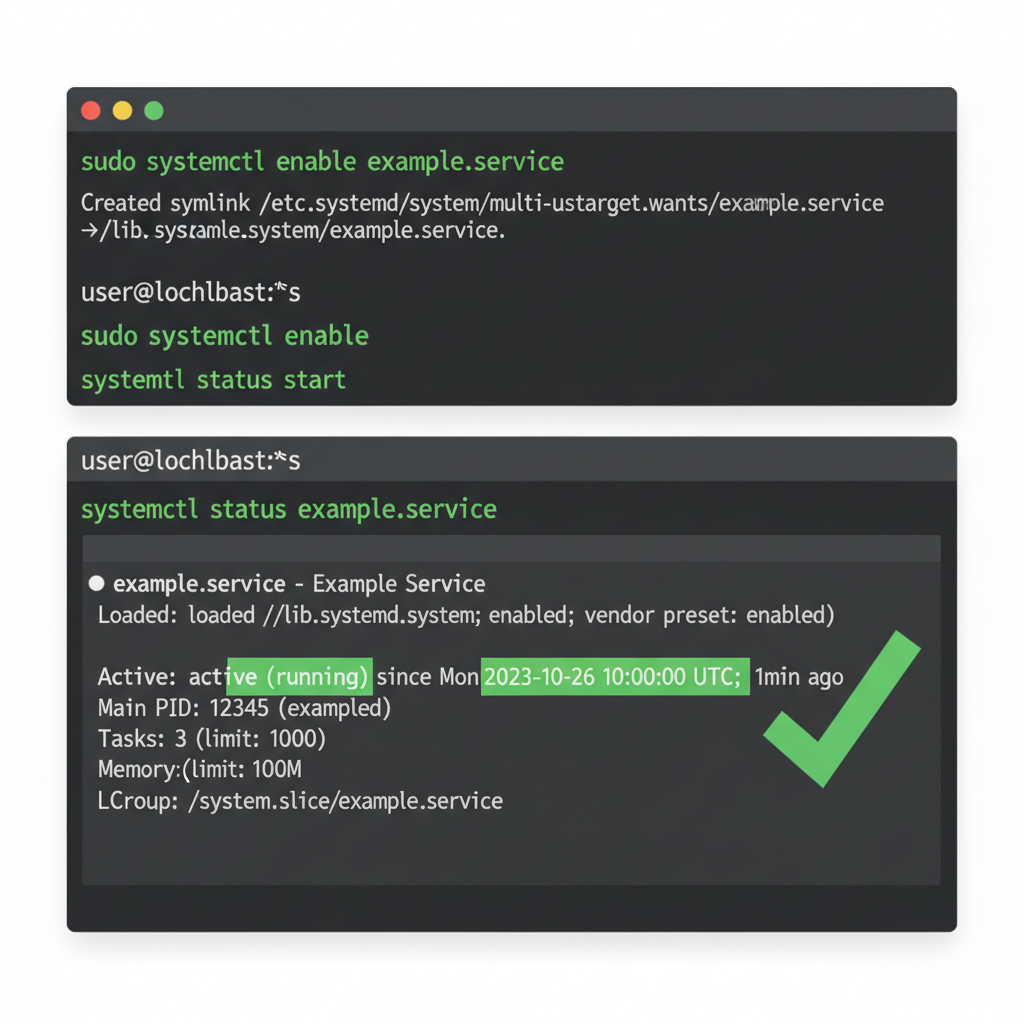
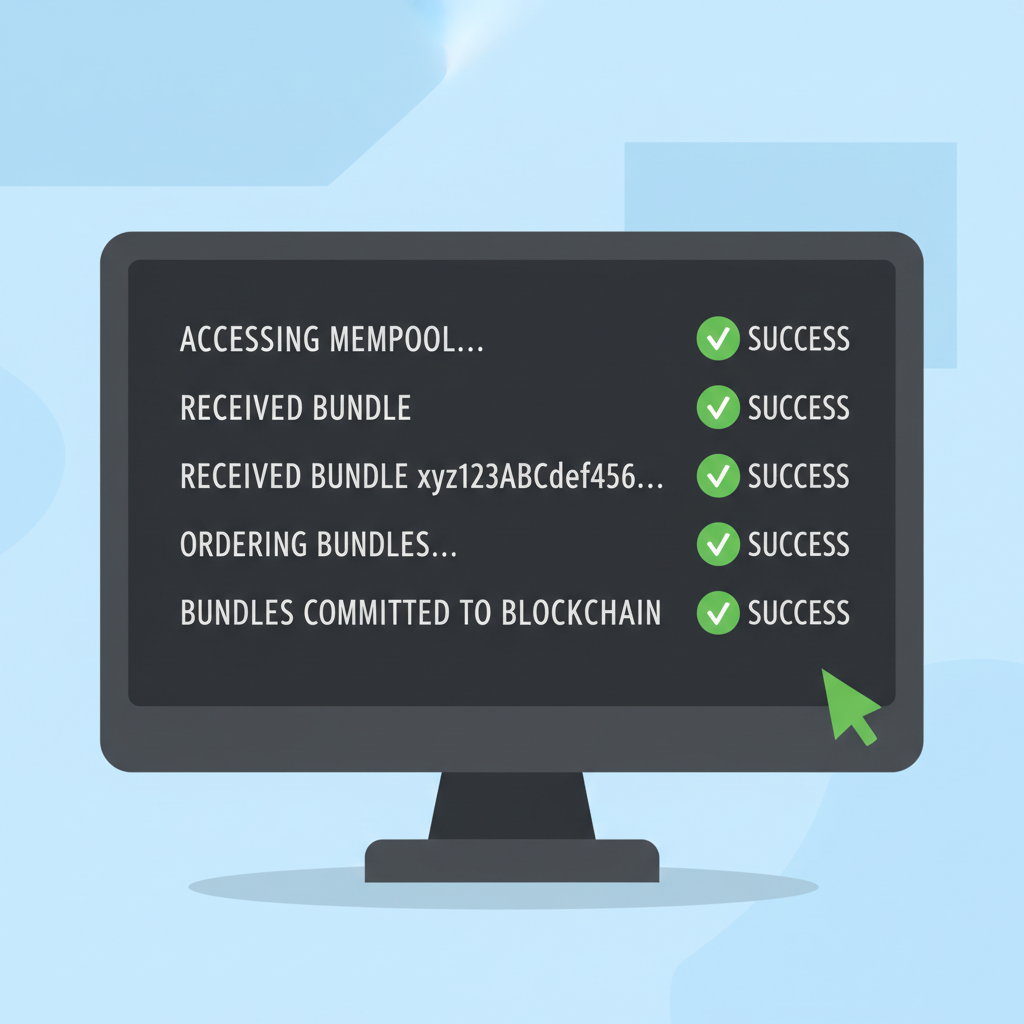
Once you're up and running, the Sidecar starts scoring transactions in real-time. It prioritizes those juicy arbitrage plays or liquidation bundles, feeding preferences straight to your node's ordering logic. Searchers connect via the Auction Handler contract, bidding transparently on-chain. Rewards? They compound automatically, boosting your overall APY without lifting a finger post-setup.
For stakers, this is where the magic multiplies. Delegate to a Sidecar-equipped validator, and your share of MEV revenue sharing for validators flows back proportionally. Protocols like Magma Staking take it further with gMON, letting you stake MON and deploy that liquid token across DeFi while it accrues extra MEV yield. It's not just passive income; it's active participation in Monad's growth engine.
Sample FastLane Sidecar Config YAML for Monad Mainnet
Hey there! Setting up the FastLane Sidecar for Monad mainnet is straightforward with a solid YAML config. This sample includes essential network settings, the mempool endpoint connected via monad-bft, the auction handler contract address, and the auto-distribution epoch interval to ensure fair MEV revenue sharing among validators and stakers.
```yaml
network:
  name: monad-mainnet
  rpc_url: "https://rpc.mainnet.monad.xyz"
  chain_id: 1313161554
mempool:
  endpoint: "monad-bft://mempool.monad.xyz:8545"
  ws_endpoint: "wss://mempool.monad.xyz:8546"
auction_handler:
  contract_address: "0x742d35Cc6634C0532925a3b8D7aB299d8aB1fE28"
auto_distribution:
  epoch_interval: 3600  # seconds, adjust based on your needs
  enabled: true
```
Feel free to customize these values—like swapping in your real RPC endpoints, contract addresses, or tweaking the epoch interval to fit your operation. It's all about making it work seamlessly for everyone involved. Let's get that equitable distribution rolling! 🚀
Peeking at that config snippet reveals how straightforward it is - tweak a few lines for your setup, restart services, and watch the revenue tick up. I've seen solo stakers jump their yields by 20-30% in the first epoch alone, all while securing the network. That's the beauty of equitable MEV distribution in blockchain: value cascades down to every level.
Stakers Reap the Rewards: Integrating with Liquid Staking
Imagine staking your MON, receiving gMON, and using it as collateral in lending protocols or DEXes - all while MEV from Sidecar validators pads your returns. Magma's launch on mainnet solidified this loop, capturing extraction value that once slipped away. FastLane's $6M war chest fuels even more innovations, like expanded research through the MMRG coalition.
Validators not on board yet? They're leaving money on the table. With 67% stake weight covered, the network's resilience strengthens daily. Smaller operators thrive here, as the Sidecar demands minimal resources - perfect for VPS setups or home rigs. Stakers, scout validators via shMonad dashboards; prioritize those with Sidecar badges for that MEV edge.
This ecosystem isn't static. FastLane's decentralized blueprint dodges Ethereum's pitfalls, like relay dependencies, ensuring Monad stays true to permissionless roots. As parallel execution scales transactions to millions per second, MEV pools will swell, and auto-distribution keeps it fair. We're witnessing a shift where stakers aren't sidelined spectators but core beneficiaries.
Plugging into FastLane means betting on Monad's future - one where staker MEV rewards on Monad aren't a luxury but standard. Grab your node keys, follow those steps, and join the 103 and validators already cashing in. The epoch clock ticks; your optimized yields await.



No comments yet. Be the first to share your thoughts!