


Ethereum’s price stands at $2,802.73 amid a 24-hour dip of -6.69%, yet staking remains a beacon for yield seekers. Validators capturing Maximal Extractable Value (MEV) and sharing it with stakers quietly add 1-2% to annual percentage yields, transforming baseline rewards into competitive edges. This Ethereum staking MEV boost isn’t hype; it’s a data-backed reality powered by tools like MEV-Boost, now used by 90% of validators.
MEV arises from transaction ordering within blocks, where validators prioritize high-value swaps or liquidations for extra profits beyond issuance rewards. Post-Merge, as Ethereum shifted to proof-of-stake, MEV evolved from a shadowy corner of mining to a core staking dynamic. Stakers delegating to MEV sharing validators tap into this without running nodes themselves, sidestepping uptime risks while enjoying redistributed gains.
MEV-Boost: The Engine Driving 90% Validator Adoption
MEV-Boost, developed by Flashbots, lets validators outsource block construction to specialized builders competing for the highest-bidding bundles. This auction mechanism maximizes block value, with builders embedding MEV opportunities like arbitrage or sandwich trades. By early 2026, 90% adoption reflects its edge: validators report 20-50% reward uplifts, much of which flows back to stakers via transparent splits.
The Pectra upgrade on May 7,2025, supercharged this by lifting the 32 ETH stake cap to 2,048 ETH per validator. Larger balances mean more frequent proposing slots and amplified MEV capture, directly benefiting pooled stakers. Platforms like ZenMEV streamline this, optimizing extraction and automating validator MEV redistribution to boost collective APY.
Dissecting Reward Sources: Base Issuance Plus MEV Premium
Ethereum staking yields blend issuance (new ETH minted), fees, and MEV. Base APY hovers around 3-4% at current issuance rates, but MEV adds the kicker. CoinShares estimates total returns at 4-6% without MEV; factor in sharing, and staking APY MEV rewards hit 5-8% for optimized setups. Solo stakers with solid uptime now rival pools, per UEEx’s 2025 report, especially if leveraging MEV tools.
Risk-adjusted metrics matter. Figment’s Q3 2025 analysis stresses comparing providers by effectiveness scores, not raw APY. MEV introduces volatility from market conditions, but diversification via liquid staking mitigates it. Grayscale underscores staking’s role in network security: dutiful validators earn reliably, while MEV sharers amplify that diligence.
Ethereum (ETH) Price Prediction 2027-2032
Projections incorporating MEV-boosted staking APY increases of 1-2%, Pectra upgrade effects, market cycles, and adoption trends from 2026 baseline of $2,803
| Year | Minimum Price | Average Price | Maximum Price | YoY % Change (Avg from Prev) |
|---|---|---|---|---|
| 2027 | $2,500 | $4,000 | $6,000 | +43% |
| 2028 | $3,000 | $5,500 | $8,500 | +38% |
| 2029 | $3,800 | $7,200 | $11,500 | +31% |
| 2030 | $4,800 | $9,500 | $15,000 | +32% |
| 2031 | $6,000 | $12,000 | $19,000 | +26% |
| 2032 | $7,500 | $15,000 | $24,000 | +25% |
Price Prediction Summary
Ethereum’s price is forecasted to grow steadily through 2032, driven by enhanced staking rewards from MEV sharing and technological advancements. Average prices are expected to rise from $4,000 in 2027 to $15,000 in 2032, with bullish maxima reaching $24,000 amid adoption surges and market recoveries.
Key Factors Affecting Ethereum Price
- MEV-Boost adoption by 90% of validators boosting APY 1-2%
- Pectra upgrade (2025) raising stake limits to 2,048 ETH for efficient MEV capture
- Ethereum Layer 2 scaling improving use cases and transaction throughput
- Institutional staking growth via platforms like ZenMEV and liquid staking
- Market cycles with bull phases post-2026 bear market
- Regulatory clarity enhancing investor confidence
- Competition from L1s offset by ETH’s DeFi and NFT dominance
Disclaimer: Cryptocurrency price predictions are speculative and based on current market analysis.
Actual prices may vary significantly due to market volatility, regulatory changes, and other factors.
Always do your own research before making investment decisions.
MEV Staking Versus Native, Liquid, and Restaking Paths
Native solo staking demands 32 ETH and technical savvy, yielding 2-4% per MEXC data, but MEV integration via MEV-Boost elevates it. Liquid staking (e. g. , Lido) offers liquidity with similar base yields, yet top MEV equitable distribution Ethereum providers layer on extra 1-2%. Restaking via EigenLayer introduces slashing risks for compounded returns, while exchange staking prioritizes ease over maximization.
Crypto Adventure’s deep dive highlights MEV staking’s uniqueness: it rewards delegation to performant validators without custody loss. P2P. org notes complex reward math favors effectiveness over simple APY quotes. In endgame economics from Ethereum Research, cost structures vary; retail stakers thrive partnering with efficient operators practicing fair MEV redistribution.
Solo stakers, once at a disadvantage due to operational hurdles, now edge out pools when uptime exceeds 99%, as UEEx data confirms. This shift underscores MEV sharing validators as the new benchmark for yield optimization.
Quantifying the 1-2% APY Lift: Real-World Data Breakdown
At Ethereum’s current price of $2,802.73, base staking issuance yields roughly 3.2%, per CoinShares models adjusted for network activity. Layer on MEV, and effective APYs climb: Fireblocks reports ETH staking pools averaging 4.5-5.5% with partial sharing, while full MEV equitable distribution Ethereum setups from operators like ZenMEV push toward 5-7%. This premium stems from consistent MEV flows, less sensitive to issuance cuts than pure block rewards.
Ethereum Staking Yields Comparison (ETH Price: $2,802.73)
| Staking Method | APY Range (%) | Notes |
|---|---|---|
| Base Issuance | 3-4% | Standard network issuance rewards |
| MEV-Boosted | 5-7% | +1-2% boost from MEV sharing via MEV-Boost (90% adoption) |
| Liquid Staking | 4-6% | Provides liquidity (e.g., stETH, rETH) |
| Restaking | 6-10% | Higher yields via EigenLayer etc. ⚠️ with risks |
Volatility tempers enthusiasm; MEV surges during DeFi frenzies but dips in quiet markets. Yet, over 12-month rolling averages from Figment’s Q3 2025 report, the uplift holds at 1.2% net of risks for diversified stakers. Digital Assets Council emphasizes validator diligence: penalties for downtime erase gains faster than MEV builds them.
Navigating Risks in MEV-Enhanced Staking
MEV isn’t risk-free. Sandwich attacks or builder centralization draw scrutiny, though Flashbots’ proposer-builder separation curbs front-running. Slashing risks rise with larger post-Pectra stakes-2,048 ETH demands robust infrastructure. Liquid staking derivatives mitigate illiquidity but introduce smart contract vectors. My take: prioritize providers with audited MEV pipelines and proven effectiveness scores, as P2P. org advises. Ethereum Research’s endgame models predict staker segmentation, where retail favors pooled Ethereum staking MEV boost for balanced risk-reward.

Exchanges simplify entry but cap upside, often retaining MEV internally. Grayscale frames staking as network bedrock: your ETH secures consensus while compounding passively.
Getting Started: Delegate to MEV-Optimized Validators
Transitioning to staking APY MEV rewards requires selecting operators with MEV-Boost integration and transparent splits-typically 80-90% to stakers. ZenMEV exemplifies this, blending analytics for block-level insights. Avoid yield-chasing traps; focus on uptime history and MEV capture rates above 20% of total rewards.
Boost ETH Staking APY 1-2%: Stake with MEV-Sharing Validators
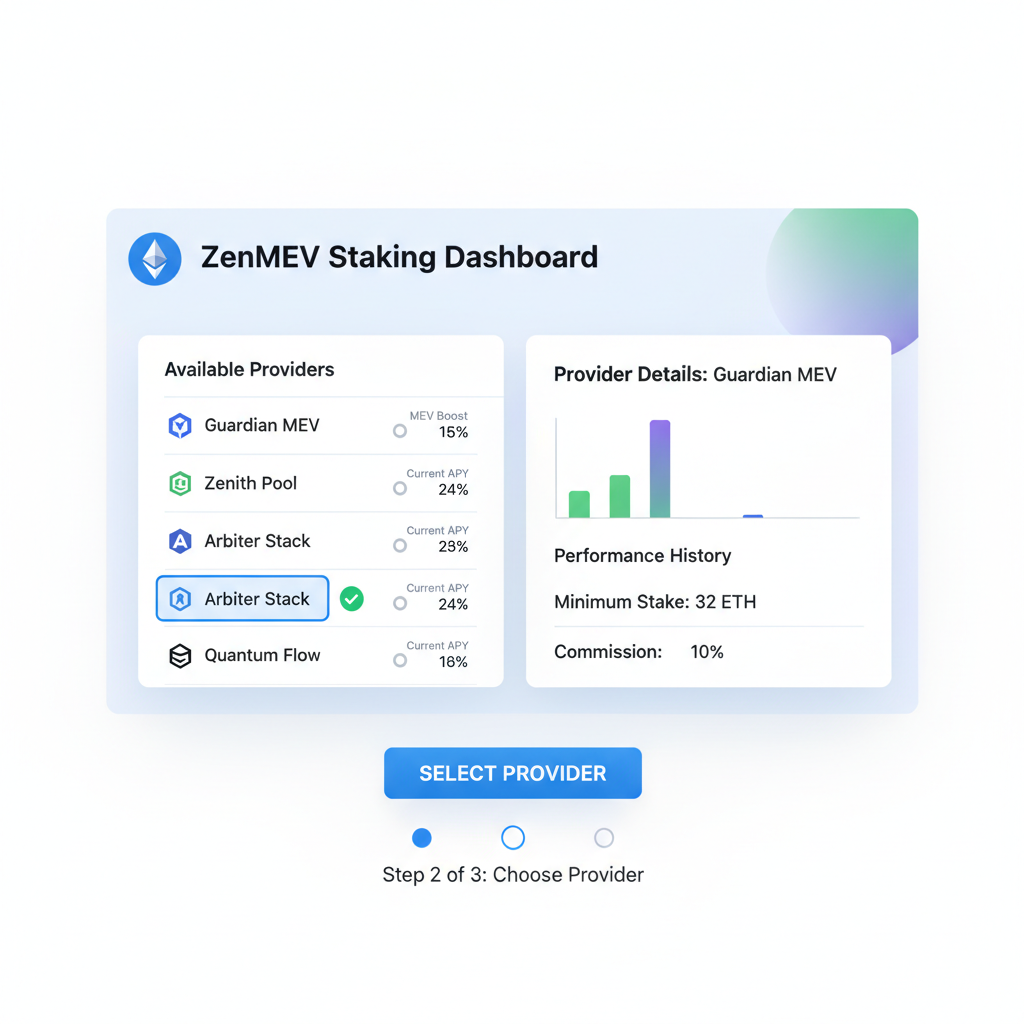
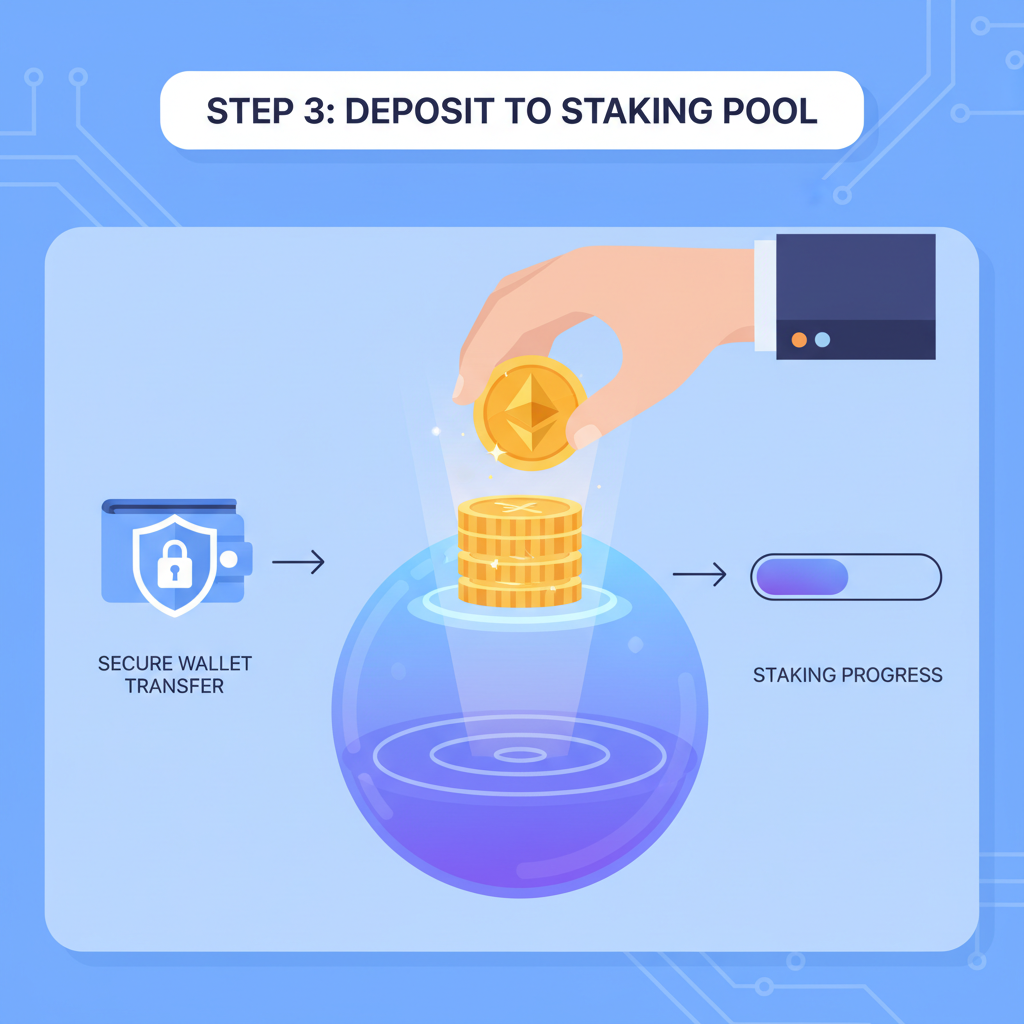
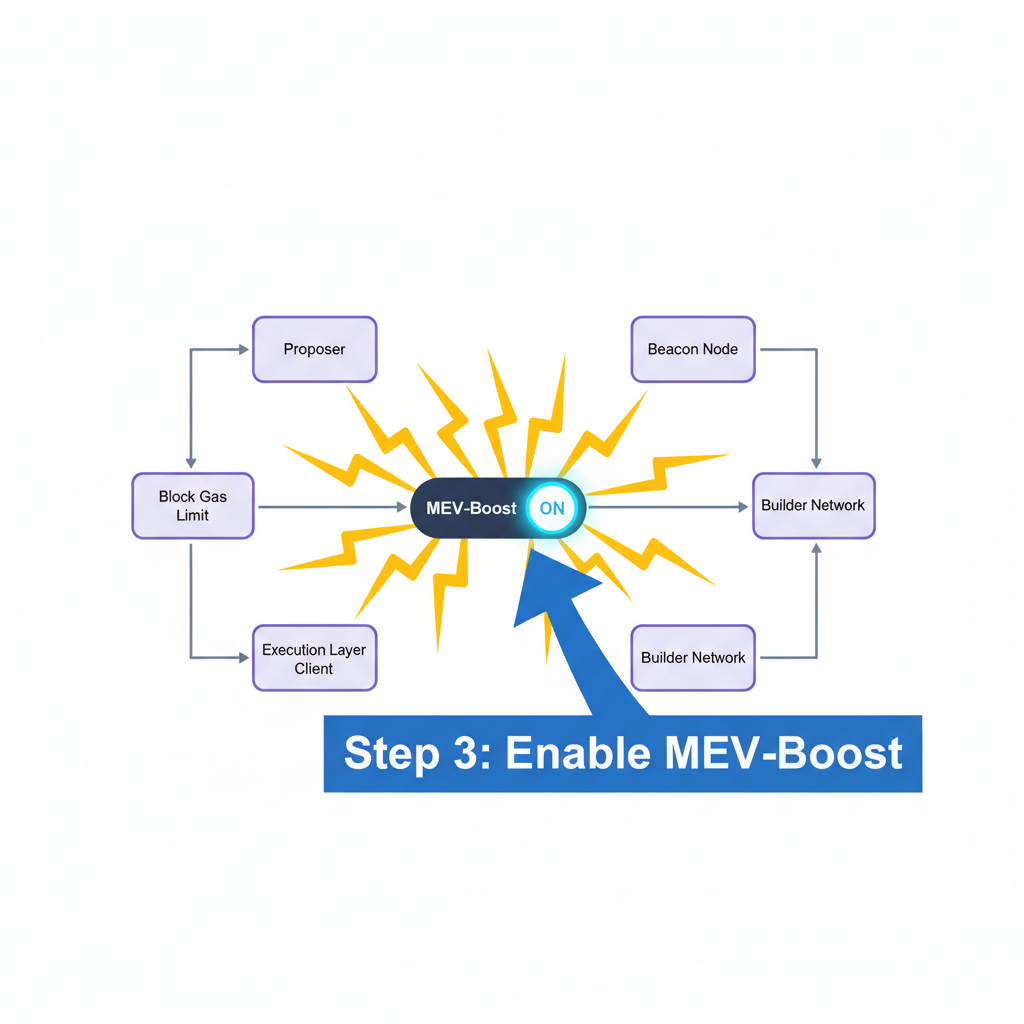
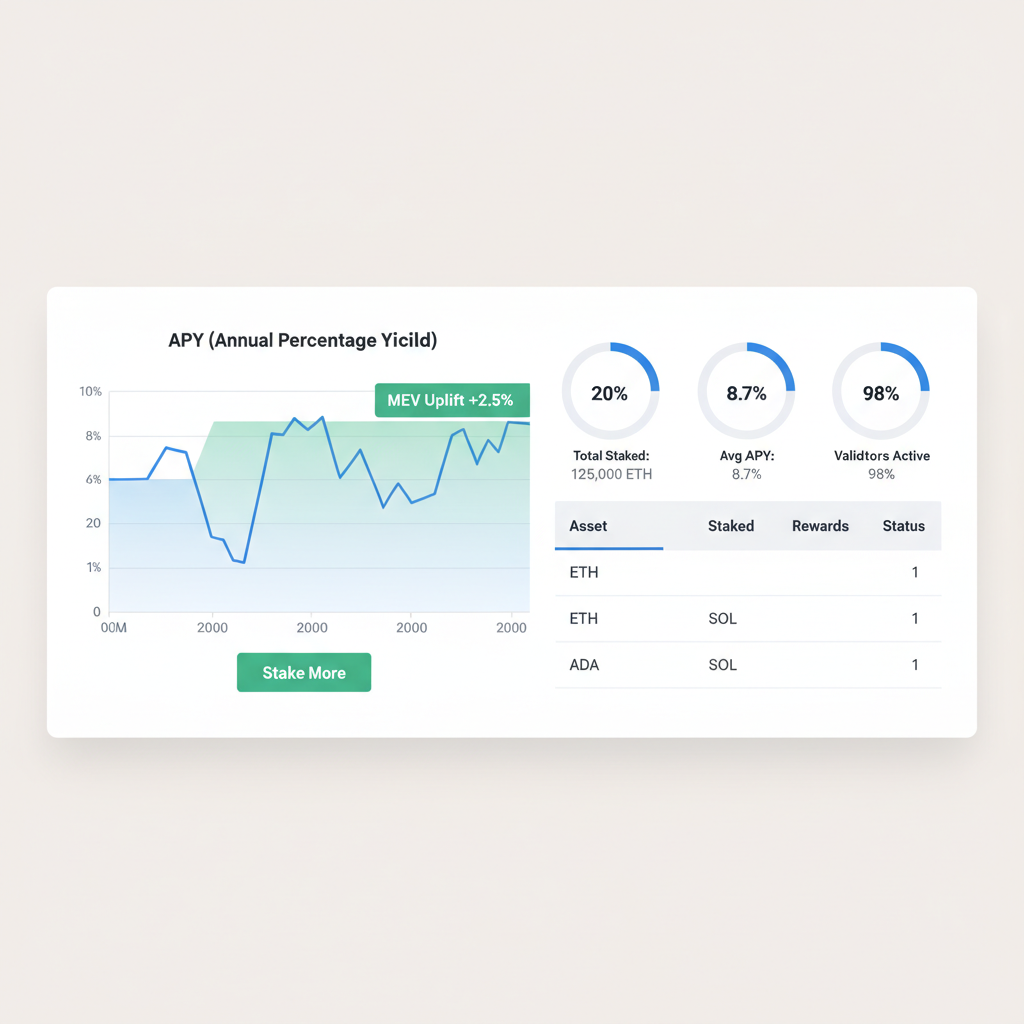
Post-setup, track via dashboards showing issuance, fees, and MEV breakdowns. At $2,802.73, a 10 ETH stake at 5.5% APY nets ~0.55 ETH yearly-double baseline without effort. Ethereum’s staking economy matures, rewarding informed participants who embrace MEV as infrastructure, not speculation. Platforms evolving fair distribution will define winners in this yield race.
About the Author