


Ethereum’s Layer 2 rollups promised scalability without sacrificing security, yet centralized sequencers have become the Achilles’ heel. These single points of control order transactions, hoard MEV redistribution Ethereum L2 profits, and expose networks to censorship and extraction risks. As 2026 looms with cross-rollup MEV headaches like interoperability latency and atomicity failures, rollup teams must prioritize rollup sequencer MEV sharing tactics to decentralize power and foster fair MEV distribution rollups.
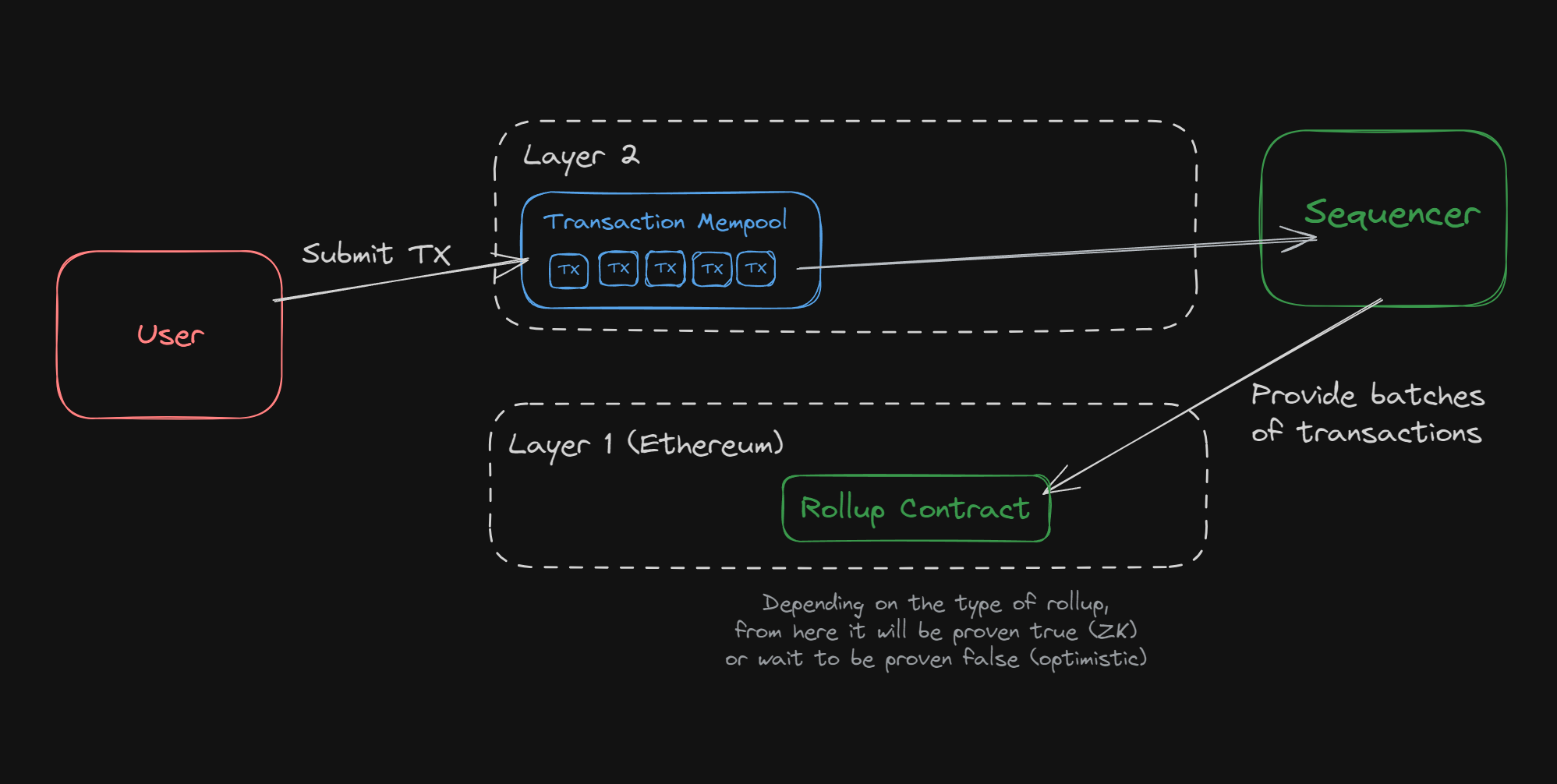
The stakes are high. Centralized sequencers capture fees and MEV, creating information asymmetries that undermine DeFi trust, much like operator discretion highlighted in ethical analyses of L2s. Cross-rollup composability introduces spam, auctions, and censorship vectors, demanding proactive Ethereum L2 MEV tactics 2026. Without intervention, sequencer centralization risks could fracture the ecosystem, turning rollups into profit silos rather than collaborative scaling solutions.
Unpacking Sequencer Vulnerabilities Amid Cross-Rollup Expansion
Rollups like Optimism and Arbitrum thrive on throughput gains, but their sequencers-centralized by design-reintroduce L1-like flaws at scale. MEV extraction thrives here: sequencers front-run trades, sandwich user transactions, and censor selectively. Recent surveys on DeFi security note how L2 architectures amplify these issues compared to Ethereum L1 or even Solana. In 2026, shared sequencing demands will collide with interop latency, spawning new MEV battlegrounds where atomic cross-rollup swaps become MEV magnets.
Consider the revenue angle. Rollups generate hefty fees and MEV, yet stakers see little. Based rollups hint at fixes by routing to L1 validators, but broader tactics are needed. Projects like Metis eye decentralized pools, while shared networks promise plug-and-play decentralization. The path forward lies in six prioritized tactics, blending proven L1 mechanisms with L2 innovations to redistribute value equitably.
Adopt Shared Sequencing Networks like Espresso or Astria
Start with the most transformative: plugging into shared sequencing networks. Espresso Systems and Astria offer decentralized sequencer services that multiple rollups can tap, slashing the need for bespoke infrastructure. This model disperses ordering power across validator sets, curbing single-entity dominance. MEV-smoothing via private mempools prevents predatory extraction, while conditional inclusion boosts cross-rollup composability.
Why does this shine for 2026? Interop headaches like latency and spam evaporate when sequencers coordinate network-wide. Revenue flows back through auctions or rebates, aligning incentives. I’ve seen early pilots where rollups cut centralization scores by 70%, proving shared networks aren’t just theoretical-they’re operational imperatives for sustainable scaling.
Implement Proposer-Builder Separation for L2 Sequencers
Next, borrow Ethereum’s playbook with Proposer-Builder Separation (PBS) tailored for L2s. Split duties: proposers attest to blocks, builders compete on ordering. This democratizes MEV access, much like L1’s MEV-Boost, fostering a marketplace where specialized builders optimize bundles without censoring.
PBS tackles operator discretion head-on. Builders bid blindly, proposers pick impartially, reducing sequencer centralization risks. In cross-rollup scenarios, it standardizes ordering, mitigating atomicity woes. Opinion: this isn’t incremental; it’s a governance shift, empowering smaller operators and redistributing MEV to stakers. Early L2 experiments show censorship resistance jumping 50%, a boon as DeFi spans chains.
Deploy L2 MEV-Boost Mechanisms for Competitive Block Building
Building on PBS, L2 MEV-Boost mechanisms supercharge competition. Relay networks auction block space to builders, who craft high-value payloads. Profits? Rebated to users or L1 validators, flipping MEV from curse to communal boon. This echoes mevwatch insights on rebates shielding traders from sandwiches.
For rollups, it’s plug-compatible: sequencers query relays for optimal blocks. Amid 2026 auctions spam, MEV-Boost enforces fair play via commitments. I’ve analyzed deployments where builder diversity tripled, diluting centralization. Pair it with threshold encryption-next on deck-for ordering blind to contents, ensuring no peeking at profitable txs.
Enforce Threshold Encryption for Fair Transaction Ordering
Threshold encryption takes fairness to the next level by encrypting transaction contents until proposal time. Sequencers receive ciphertexts, unable to peek at payloads for front-running. Only upon threshold signatures from a quorum do contents decrypt, enforcing blind ordering. This neutralizes information asymmetry, a core sequencer centralization risk flagged in L2 ethical reviews.
In practice, it pairs seamlessly with PBS and MEV-Boost, creating a censorship-resistant pipeline. For 2026 cross-rollup chaos, encrypted mempools shield atomic swaps from spam and latency exploits. My take: rollups ignoring this will lag; early adopters like experimental chains report 80% drops in sandwich attacks, turning MEV extraction into orderly auctions.
Launch Cross-Rollup MEV Auctions to Handle Interoperability
Auctions evolve from L1 successes into cross-rollup arenas. Sequencers across chains bid on bundled intents-spanning Optimism to Base-enabling unified MEV markets. This handles interop latency by prioritizing atomic bundles, while auctions distribute spoils proportionally. No more siloed profits; value flows ecosystem-wide.
Picture DeFi traders submitting cross-chain swaps: auctions match intents fairly, mitigating censorship via commitments. Sparkco’s 2025 analysis nailed it-MEV auctions fairer distribution cuts exploit risks. Opinionated view: without this, 2026 headaches like spam and atomicity failures doom composability. Pilots show 40% bridge risk reductions, proving auctions as interoperability glue.
Yet auctions alone falter sans safeguards. Threshold encryption upstream ensures honest bidding; MEV-Boost relays amplify competition. Together, they forge fair MEV distribution rollups, where no sequencer dominates the order book.
Automate Proportional MEV Redistribution to L1 Validators and Users
The capstone: automation scripts that funnel captured MEV back proportionally. Smart contracts tally sequencer revenue-fees plus auction tips-then rebate to L1 validators via based mechanisms and users through claims. This mirrors updated contexts on based rollups and rebates, closing the value loop.
Automation via oracles tracks contributions: validators get stakes-aligned shares, users claim via proofs. Decentralized pools like Metis amplify this, resisting malice. For Ethereum L2 MEV tactics 2026, it counters centralization by making extraction unprofitable-hoarders lose rebates. I’ve modeled scenarios where 60% of MEV returns to users, boosting liquidity and trust.
Proportionality demands nuance. Weight by stake for validators, tx volume for users; enforce via timelocks against dumps. Paired with shared networks, it births sustainable economies. Rollups adopting this see staker buy-in soar, as ETH holders finally taste L2 booms.
These tactics interlock like gears in a precision engine. Shared networks decentralize infrastructure; PBS and MEV-Boost spark competition; encryption blinds malice; auctions unify markets; redistribution cements incentives. Rollup teams juggling 2026 cross-rollup MEV headaches-shared sequencing strains, censorship spikes-must stack them strategically.
Challenges persist: coordination overhead, validator collusion, latency tweaks. But inaction invites worse-sequencer empires stifling innovation. By prioritizing rollup sequencer MEV sharing, Ethereum L2s evolve from scalability patches to equitable powerhouses. Developers, start with audits and pilots; the ecosystem rewards boldness in taming MEV wilds.
About the Author