

Decentralized finance is evolving fast, and in 2024, one of the most exciting shifts is the mainstream adoption of MEV protection tools. For years, DeFi users have faced risks from Maximal Extractable Value (MEV) attacks - where miners or validators can reorder, include, or exclude transactions to maximize their own profits. This has led to frustrating issues like front-running and sandwich attacks, eroding user trust and making fair participation difficult. But now, innovative protocols are turning the tide, putting users back in control and making blockchain markets more equitable than ever.
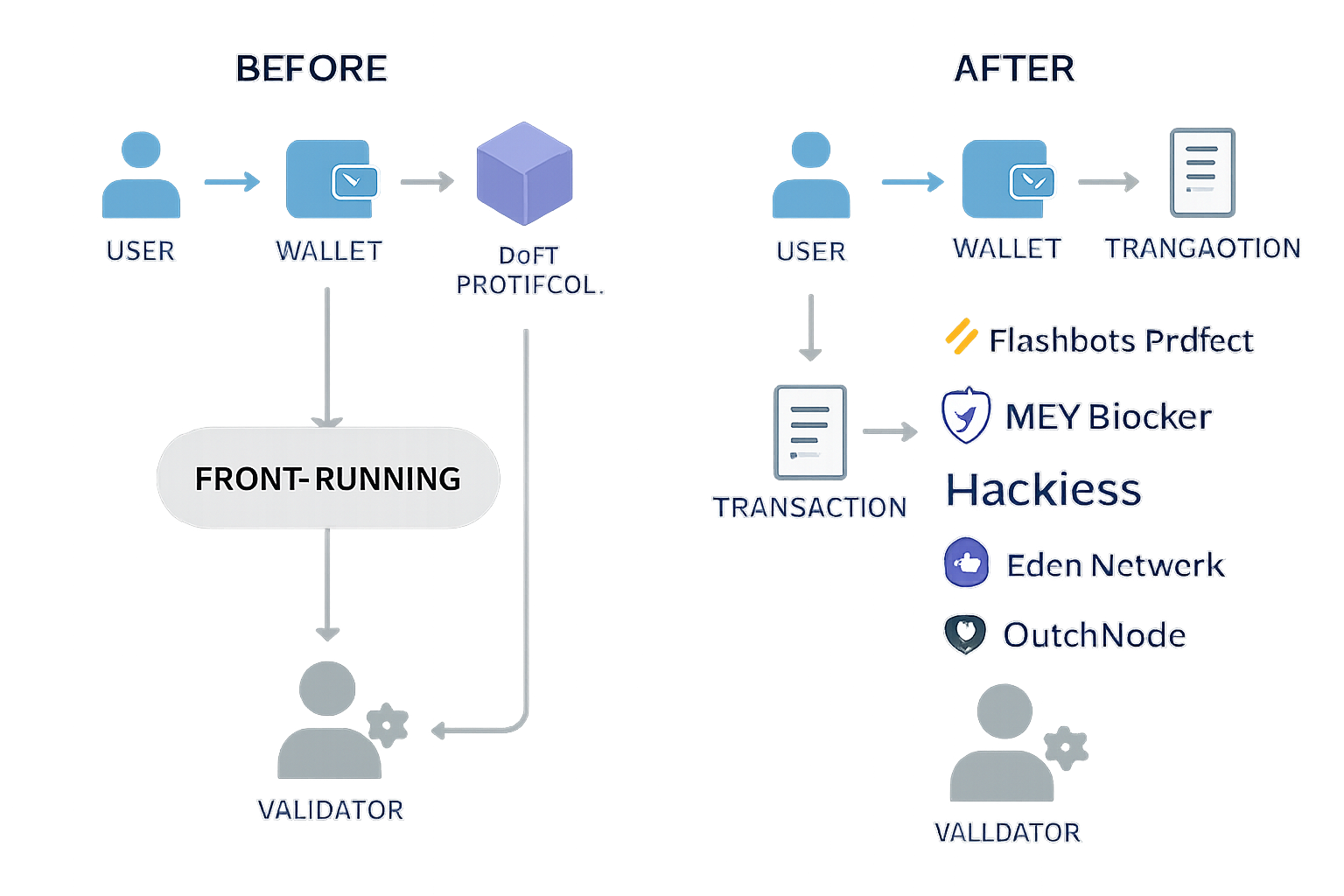
Why MEV Protection Matters More Than Ever
With Ethereum trading at $4,024.23, up $118.27 in the last 24 hours alone, DeFi activity is booming. Yet as volumes grow, so does the incentive for sophisticated actors to exploit MEV opportunities. In response, a new generation of tools has emerged to defend everyday users from these risks while also introducing mechanisms for fairer value sharing and even MEV rebates.
This year saw a 300% surge in adoption of MEV protection solutions (source). The message is clear: protecting transaction order isn’t just a technical detail - it’s now a core feature for any reputable DeFi protocol or wallet.
The Five Leading MEV Protection Tools Transforming DeFi in 2024
Let’s dive into how these five standout tools are reshaping user experience by reducing extraction risks and fostering true blockchain fairness:
1. Flashbots Protect RPC: Private and Fair Transaction Routing
Flashbots Protect RPC is a specialized endpoint that lets users submit transactions directly to participating block builders instead of broadcasting them publicly in the mempool. This approach shields trades from predatory bots that monitor public mempools for profitable opportunities to front-run or sandwich unsuspecting users.
The result? Transactions are included fairly and securely without leaking sensitive details until they’re confirmed on-chain. Flashbots’ open infrastructure has become foundational for wallets and dApps prioritizing user safety.
2. MEV Blocker: User-Friendly Defense Against Extraction Risks
MEV Blocker offers a seamless way for anyone to route their swaps through an anti-MEV relay network. With just a simple toggle in supported wallets or interfaces, users can opt-in to have their transactions protected by default - no technical expertise required.
This democratizes access to sophisticated defense mechanisms once reserved for whales or professional traders. By blocking malicious ordering strategies at the infrastructure level, MEV Blocker helps ensure every participant enjoys transparent pricing and execution.
The Rise of All-in-One Security Platforms and Infrastructure Add-ons
The push for safer DeFi isn’t just happening at the protocol level - it’s now embedded across the ecosystem. Let’s look at two more breakthrough solutions:
3. Hackless DeFi Security Platform: Comprehensive Risk Mitigation
Hackless stands out as an all-encompassing platform designed specifically for DeFi security needs (source). Beyond just blocking basic attacks, Hackless provides real-time monitoring and automated incident response tools that protect both protocols and end-users from evolving threats - including complex forms of value extraction.
This holistic approach means projects can integrate robust defenses without piecing together multiple solutions or sacrificing user experience.
4. Eden Network: Priority Access with Built-In Fairness
Eden Network takes a unique approach by offering priority transaction inclusion through its own validator set while enforcing rules that limit harmful forms of MEV extraction. Users who participate gain both faster confirmations and peace of mind knowing their trades aren’t being exploited behind the scenes.
Which MEV protection tool do you trust most in 2024?
With MEV attacks still a concern in DeFi, new tools are emerging to keep your transactions safe. From RPC endpoints to all-in-one security platforms, which of these leading solutions do you rely on most for MEV protection?
5. QuickNode MEV Protection Add-ons: Plug-and-Play Safety for Developers
QuickNode’s add-ons, available across multiple blockchains including Solana and Ethereum, allow developers to instantly integrate advanced anti-MEV features into their dApps (source). These modules handle everything from private transaction submission to real-time routing optimizations that minimize exposure to extraction risks.
For DeFi builders, QuickNode’s MEV protection add-ons are a game-changer. No longer do projects need to reinvent the wheel or manage complex infrastructure in-house, developers can simply enable these modules and immediately offer users an extra layer of transaction privacy and fairness. This plug-and-play approach is accelerating the adoption of MEV protection across both new and established protocols, making it easier than ever for users to benefit from advanced defense mechanisms regardless of what wallet or dApp they choose.
What These Tools Mean for Everyday DeFi Users
The impact of these five tools goes far beyond just technical innovation. By reducing MEV extraction risks, they’re helping everyday users keep more value from their trades, enjoy more predictable execution, and participate in DeFi with greater confidence. No longer is sophisticated MEV mitigation reserved for whales or power users, now, anyone with a compatible wallet or dApp can access robust protection with just a few clicks.
Moreover, some platforms are introducing MEV rebates and sharing protocols that actually return a portion of captured value back to users. This not only discourages predatory behavior but also creates new incentives for fair participation and collaboration across the DeFi ecosystem. The result is a more inclusive environment where innovation thrives on transparency rather than exploitation.
Looking Ahead: The Future of Fairness in DeFi
The rapid adoption of MEV protection tools in 2024 marks a turning point for blockchain fairness. As Ethereum remains above $4,024.23, user trust is becoming as valuable as any token or yield strategy. We’re seeing wallets like Trezor Suite integrate native MEV defenses, research teams introduce novel ordering protocols, and communities demand higher standards from their favorite dApps.
The next wave will likely involve even tighter integration between wallets, DEXes, and infrastructure providers, creating seamless experiences where users barely notice the invisible shield protecting their trades from harmful extraction strategies. Expect continued growth in intent-based trading models, cross-chain protections, and collaborative networks that reward honest behavior while penalizing manipulation.
For anyone participating in DeFi today, whether you’re swapping tokens on Ethereum at $4,024.23 or experimenting with new protocols, understanding and leveraging MEV protection tools isn’t just optional anymore; it’s essential for safe, fair participation in open finance. The good news? With solutions like Flashbots Protect RPC, MEV Blocker, Hackless DeFi Security Platform, Eden Network, and QuickNode add-ons leading the charge, the future of equitable value sharing is already here, and it’s never been more accessible.




No comments yet. Be the first to share your thoughts!