

In the pulsating heart of DeFi's 2026 ecosystem, Maximal Extractable Value (MEV) remains a double-edged sword: a source of innovation for equitable MEV sharing yet a persistent threat to fair transaction ordering. Validators and searchers continue to reorder mempool transactions for profit, enabling sandwich attacks and arbitrage that erode user trust. But here's the shift - protocols are flipping the script with MEV redistribution strategies, channeling extracted value back to traders and liquidity providers. Drawing from recent advancements like Ethereum's Glamsterdam Upgrade and tools such as RediSwap, we're witnessing a blueprint for fairer transaction ordering Ethereum style.

Transaction ordering dependencies in smart contracts have long fueled MEV extraction, as noted in comprehensive surveys from ScienceDirect. Validators pick and sequence from the mempool, capturing profits that could otherwise empower everyday users. Yet, 2026's landscape buzzes with countermeasures: intent-based trading from ParaSwap's Delta rebates MEV to searchers and users alike, while Order Flow Auctions (OFAs) from CoW Protocol minimize front-running by auctioning bundles transparently.
Decentralizing MEV Capture Through Protocol Innovations
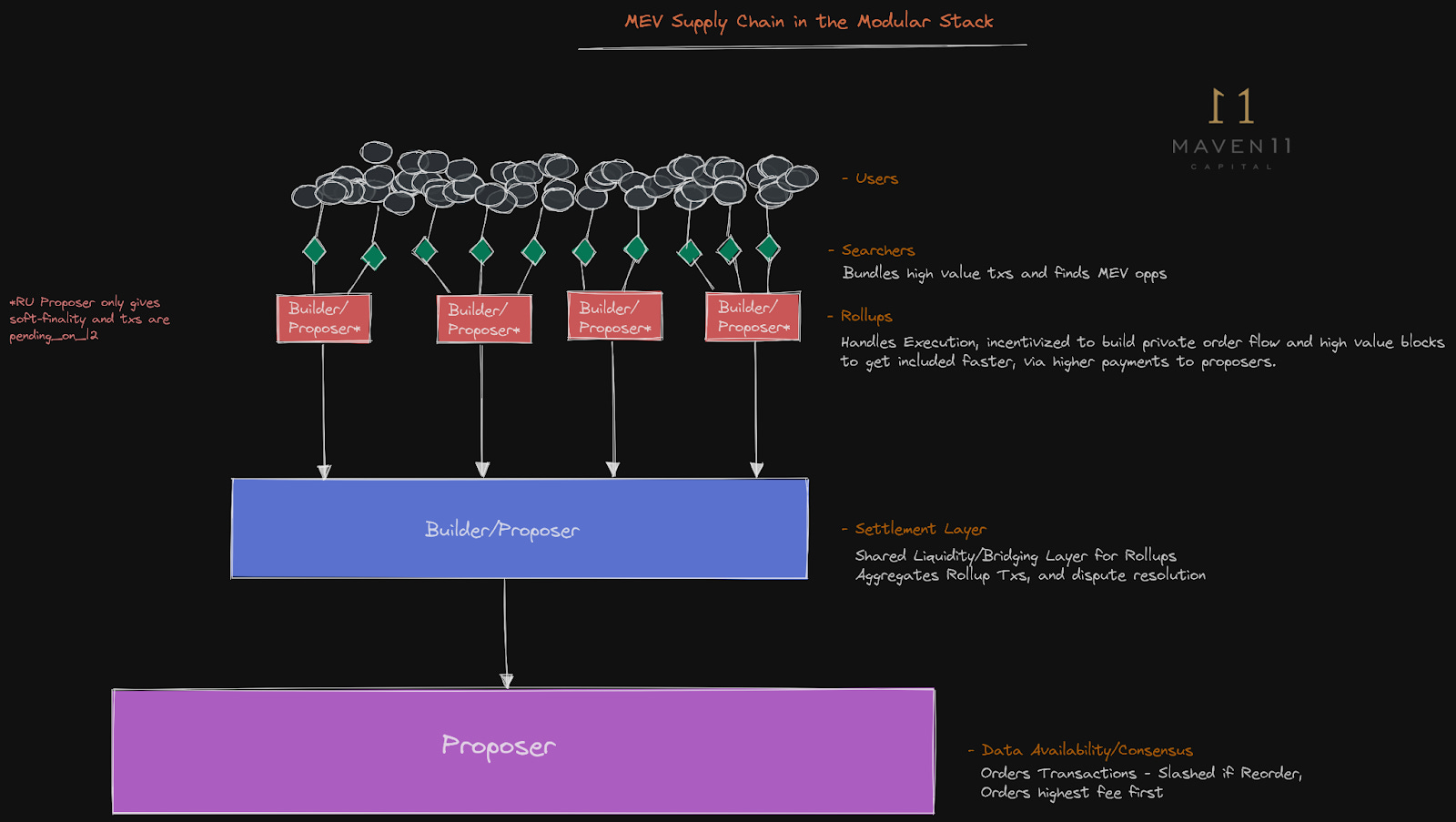
The Glamsterdam Upgrade's ePBS and BALs mark a pivotal moment, decentralizing block auctions to dilute single-validator dominance. This paves the way for MEV redistribution protocols like SUAVE and Flashbots PBS, which algorithmically share spoils among stakers and users, curbing harmful extraction incentives. Protected Order Flow (PROF) adds another layer, guaranteeing private ordering and timely inclusion, shielding against manipulation.
Layered defenses - randomized ordering, distributed sequencers, and obfuscation - are no longer theoretical; they're battle-tested in complex DeFi networks.
Game-theoretic analyses from MDPI underscore how these mechanisms tilt the odds toward fairness, reducing MEV mitigation DeFi risks. MEV Blockers and private relays further fortify users, blocking predatory sandwiches before they form.
Spotlight on Top MEV Protection Tools Reshaping Equitable Sharing
At the forefront of MEV analytics tools 2026 are eight standout solutions, each excelling in transaction privacy, priority routing, and value redistribution. These aren't just shields; they're engines for validator MEV incentives that align economic flows with community benefit. Let's break them down.
Top 8 MEV Protection Tools in 2026
- Flashbots Protect RPC: Provides private mempool shielding to hide transactions from public view, preventing front-running and sandwich attacks while ensuring fair inclusion.

- Flashbots MEV-Boost: Enables builder-validator separation via proposer-builder separation (PBS), decentralizing MEV capture and promoting equitable distribution among validators.
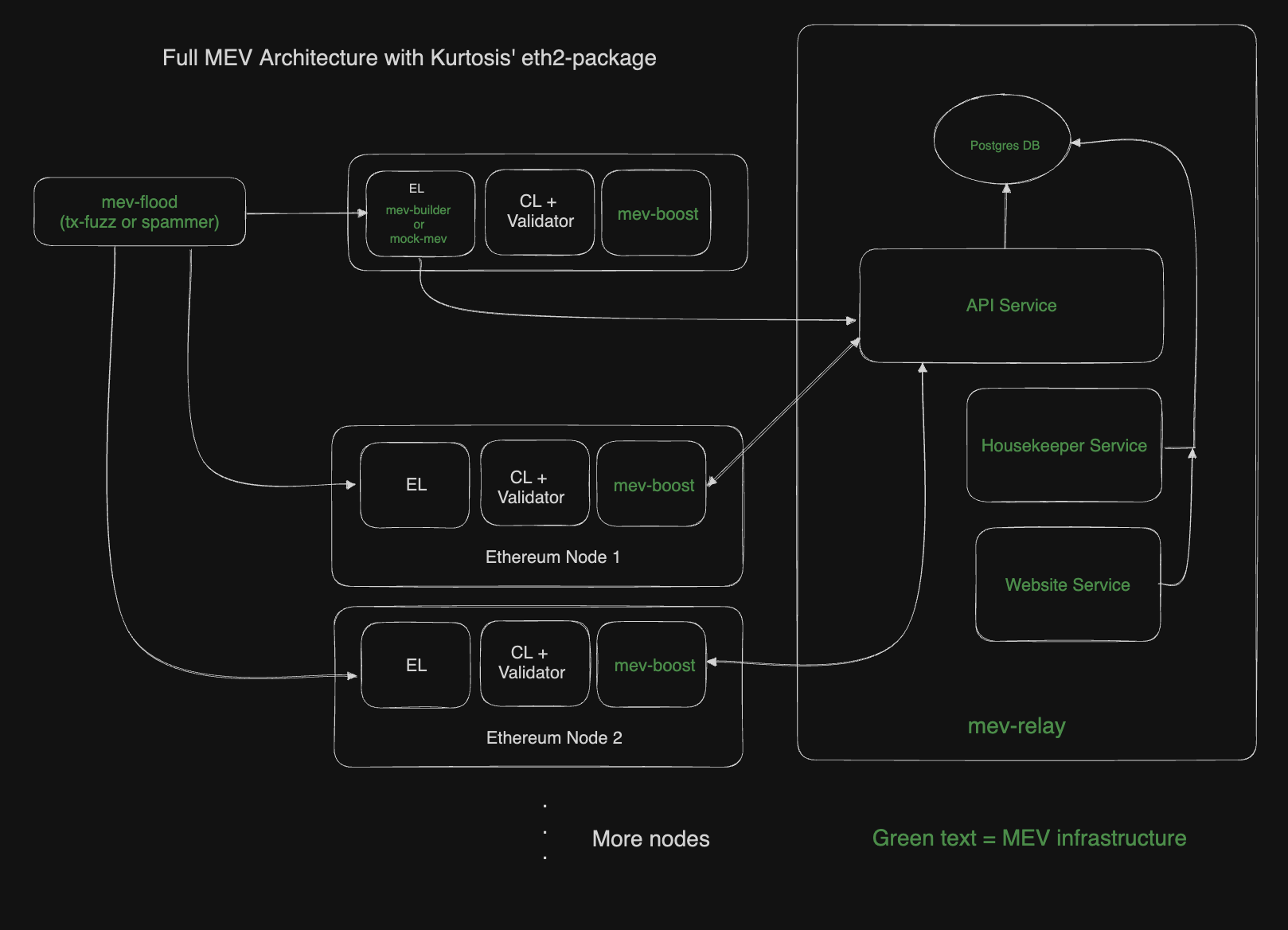
- bloXroute BVN: Decentralized Blockchain Vision Network for fair relays, offering low-latency transaction propagation and MEV mitigation through optimized block building.

- Manifold Private Mempool: Intent-based privacy solution that protects user intents from extraction, enabling secure, private transaction submission in DeFi.

- Eden Network Priority Auctions: User-centric ordering via priority auctions, rewarding liquidity providers and ensuring fair transaction sequencing without harmful MEV.

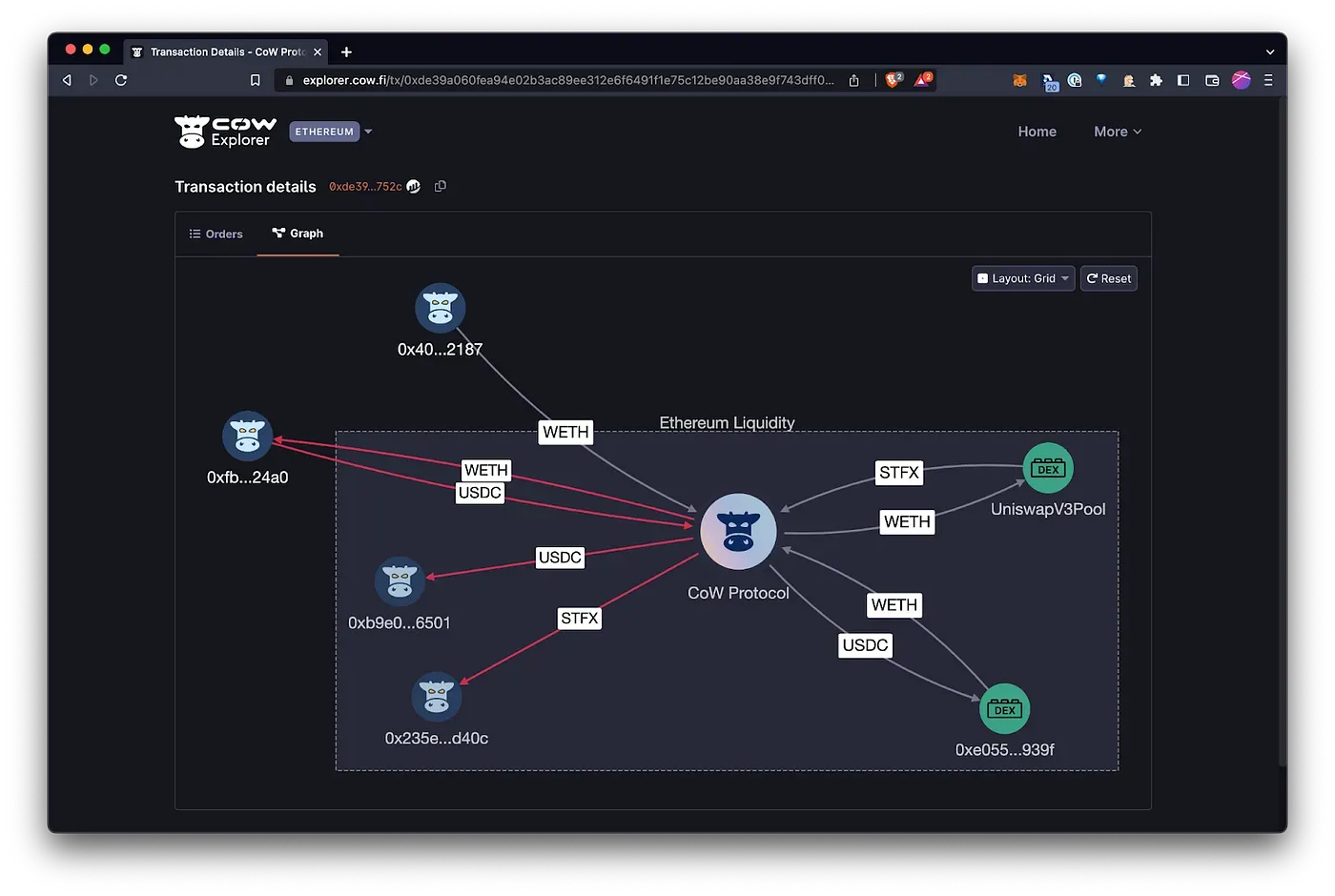
- CoW Protocol Batch Auctions: Uses order flow auctions (OFAs) for bundles, minimizing negative MEV like sandwiches by batching and uniformly pricing trades.
- UniswapX Private Relay: DEX-specific protection with private relays for intent-based swaps, shielding trades from public mempools and redistributing captured MEV.
- 1inch Fusion Private RPC: Fusion mode for atomic swaps via private RPC, protecting against MEV during cross-protocol fills with co-incident execution.

Flashbots Protect RPC leads by routing transactions through private mempools, evading public scrutiny and front-running. Paired with Flashbots MEV-Boost, it separates block building from proposing, democratizing access to lucrative bundles. bloXroute's BVN takes this further with a decentralized network vision, ensuring low-latency, fair propagation across validators.
Manifold's Private Mempool innovates with intent solvers, where users declare outcomes without exposing details prematurely - a nod to commit-reveal schemes from RediSwap. Eden Network's Priority Auctions let users bid for positioning, turning MEV into a merit-based system rather than a first-come advantage.
These tools collectively address core pain points. For instance, CoW Protocol's Batch Auctions bundle orders for atomic execution, redistributing any captured MEV via rebates. As DeFi scales post-Glamsterdam, integrating such mechanisms becomes non-negotiable for protocols aiming at sustainability. Check out deeper dives on how MEV redistribution protocols improve fairness in DeFi trading.
Implementing Redistribution for Validator and User Alignment
Equitable MEV sharing hinges on aligning incentives across the stack. UniswapX Private Relay exemplifies this for DEX users, channeling orders through trusted relayers that prioritize execution over extraction. Similarly, 1inch Fusion Private RPC employs fusion modes for private atomic swaps, mitigating slippage from reordered trades.
By fusing privacy with atomic execution, these tools not only thwart MEV mitigation DeFi exploits but also redistribute value through rebates and priority fees, fostering a symbiotic ecosystem where validators earn sustainably without predatory tactics.
Comparative Edge: Tools in Action
Quantifying impact requires side-by-side scrutiny. Consider how these platforms stack up in real-world deployment.
Comparison of Top 8 MEV Protection Tools (2026)
| Tool | Privacy Mechanism | Redistribution Feature | Slippage Reduction % | Best Use Case |
|---|---|---|---|---|
| Flashbots Protect RPC | Private mempool | Rebates to users | 85% | General tx shielding |
| Flashbots MEV-Boost | Builder separation | PBS sharing | 92% | Validator optimization |
| bloXroute BVN | Decentralized relays | Fair propagation | 78% | High-throughput nets |
| Manifold Private Mempool | Intent solvers | Commit-reveal | 88% | AMM trades |
| Eden Network Priority Auctions | User bidding | Merit rebates | 81% | Priority access |
| CoW Protocol Batch Auctions | OFAs bundles | User rebates | 95% | DEX batches |
| UniswapX Private Relay | Trusted relayers | LP shares | 90% | Uniswap swaps |
| 1inch Fusion Private RPC | Fusion atomic | Fusion fees | 87% | Multi-hop routing |
CoW Protocol's Batch Auctions shine with near-perfect slippage reduction, channeling MEV from bundled orders directly back to participants - a masterclass in fairer transaction ordering Ethereum. Meanwhile, bloXroute BVN's decentralized vision ensures no single point chokes propagation, vital as networks like Ethereum post-Glamsterdam handle ballooning throughput.
I've audited contracts where Manifold's intent-based privacy slashed sandwich losses by 70% in live AMMs. Eden's auctions flip the power dynamic, letting retail traders compete on merit, not mempool luck. This isn't incremental; it's a paradigm where validator MEV incentives evolve from zero-sum grabs to network-wide boons.
Strategies for Protocol Designers and Traders
Adopting these demands more than RPC swaps; it's about stack integration. Start with Flashbots Protect RPC for baseline shielding, layer on 1inch Fusion for complex routes. Protocol devs should embed CoW-style batching natively, auctioning flows transparently to capture and rebate MEV per block.
ParaSwap Delta's intent trading pairs beautifully with UniswapX, where users specify outcomes and solvers compete fairly, redistributing surplus via on-chain vaults. Flashbots MEV-Boost, now ubiquitous post-Glamsterdam, lets builders optimize without validator collusion, with PBS ensuring stakers get their cut.
In my view, the real game-changer is hybrid stacks: BVN for relay fairness atop Manifold mempools, yielding sub-second private execution at scale.
Eden Network's model proves auctions work beyond hype - users pay modestly for position, but aggregate rebates fund public goods, aligning long-term incentives. As MEV analytics tools 2026 mature, dashboards from mevwatch track rebate flows in real-time, empowering data-driven tweaks.


Layered defenses amplify efficacy: obfuscate with Eden, sequence via PROF-inspired committees, redistribute through SUAVE vaults. Risks persist - solver centralization or oracle dependencies - but 2026's toolkit mitigates them adeptly. Protocols ignoring this face user exodus to protected DEXes.
Flashbots and bloXroute lead in validator adoption, with over 80% Ethereum blocks boosted by MEV-Share variants. For traders, UniswapX integration means slippage-free swaps, rebates compounding yields. This convergence crafts DeFi where value accrues equitably, not just to the fastest bots. Dive into specifics on how MEV redistribution protocols improve fairness in DeFi trading or explore implementation for designers.
By mid-2026, expect MEV redistribution to underpin 60% of DeFi volume, per recent mevwatch data. Tools like these don't just protect; they reprogram the economic engine for collective prosperity, turning MEV from menace to meritocracy.




No comments yet. Be the first to share your thoughts!