
The 2026 MEV Landscape
MEV extraction in 2026 reflects a shift from chaotic, competitive frontrunning to a structured, algorithmic ecosystem. Early MEV was often characterized by simple arbitrage and sandwich attacks, but today’s environment is defined by complexity and integration. AI-driven searchers now dominate the block-building space, analyzing on-chain data in milliseconds to identify profitable opportunities that human operators or basic scripts could never catch.
This evolution has forced a fundamental change in the validator ecosystem. Validators are no longer passive block producers; they are active participants in a sophisticated supply chain. Platforms like Flashbots have moved beyond simple transaction pools to offer integrated infrastructure, such as SUAVE, which allows for confidential computation and shared search environments. This structural shift means that MEV is no longer just a byproduct of network congestion but a primary revenue stream that is being redistributed and optimized across the network.
The financial impact of this shift is measurable. Ethereum staking yields in 2026 sit at roughly 2.78% base APR, with MEV rewards adding another 0.5–1% for validators running MEV-Boost. This extra yield is critical for validator profitability, especially as block rewards continue to diminish. The ability to capture and redistribute this value has become a key differentiator between successful and struggling validators.
AI Searchers and Algorithmic Dominance
The landscape of MEV extraction is shifting from rigid heuristic bots to adaptive AI models. In 2026, searchers no longer rely on static patterns or simple regex matching to identify profitable transactions. Instead, they use machine learning agents that analyze the mempool in real-time, predicting which transactions will yield the highest return based on current network congestion and gas prices. This shift marks a significant evolution in efficiency, where success is driven by predictive accuracy rather than raw speed alone.
These AI-driven searchers evaluate opportunities as role-dependent optimization problems. By modeling the entire block-building process, they can simulate thousands of potential transaction orders before a block is even proposed. This allows them to identify complex, multi-step arbitrage opportunities that traditional bots would miss. The result is a more competitive environment where only the most sophisticated algorithms can consistently extract value. As Ethereum.org notes, MEV accrues entirely to validators who can guarantee execution, and AI searchers are becoming the primary intermediaries in this process.
The competition has intensified, leading to a race for better data and faster execution. Searchers are now investing heavily in custom hardware and specialized neural networks to reduce latency and improve prediction models. This arms race is changing the architecture of the blockchain itself, as validators begin to prefer blocks built by AI-powered searchers due to their higher profitability. The traditional view of MEV as a simple front-running threat is evolving into a complex ecosystem of algorithmic dominance.
Flashbots and SUAVE Architecture
The infrastructure supporting MEV extraction in 2026 has shifted from ad-hoc botting to a structured, three-party model. This separation of concerns—between block building, relay validation, and block proposing—was designed to stabilize the network while allowing sophisticated searchers to compete for profitable transactions.
The Builder-Relayer-Proposer Split
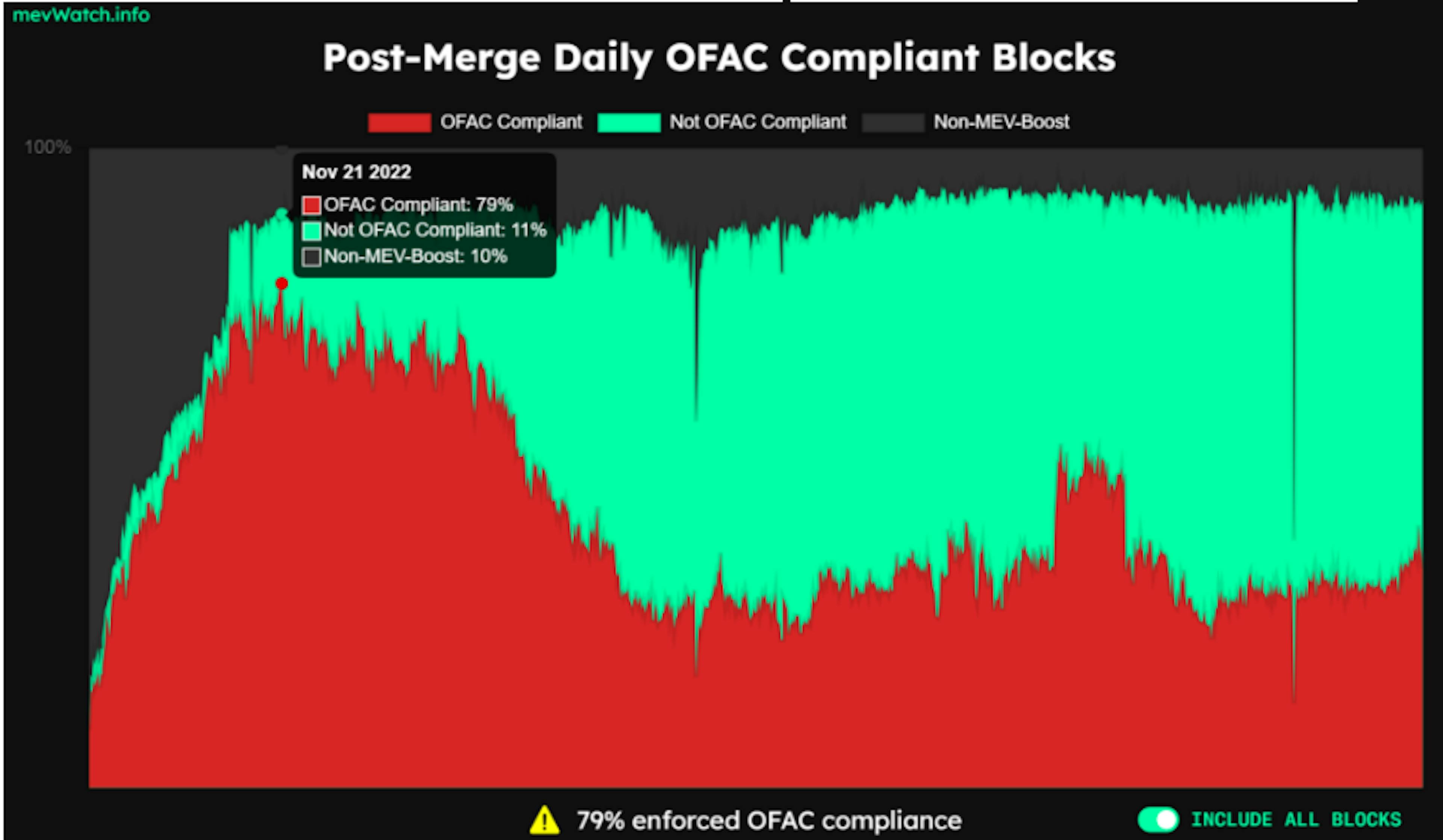
Modern MEV extraction relies on MEV-Boost, a client for Ethereum validators that connects them to external block builders. Instead of building blocks internally, validators send their payload to a relay. The relay aggregates blocks from multiple builders and selects the one offering the highest bid to the validator. This process, known as Maximal Extractable Value redistribution, ensures that the value generated from transaction ordering is captured by the proposer rather than lost to inefficiencies or censored by the node operator.
While this architecture increased transparency, it also centralized block production among a few dominant builders. The system works efficiently for Ethereum Mainnet, but it struggles with the complexity of cross-chain environments where liquidity is fragmented across multiple layers.
Enter SUAVE
SUAVE (Searcher-User Arbitrary Value Exchange) addresses these fragmentation issues by creating a universal order flow marketplace. Unlike MEV-Boost, which is specific to Ethereum, SUAVE is designed to be chain-agnostic. It allows searchers to submit orders that can be executed across any connected blockchain, enabling complex strategies that span multiple networks without the searcher needing to manage individual bridge transactions or gas payments on each chain.
This architecture reduces the friction of cross-chain MEV extraction, allowing for more sophisticated arbitrage and liquidation strategies that were previously too costly or complex to execute. As the industry moves toward greater interoperability, SUAVE provides the necessary infrastructure to handle these multi-chain workflows.
Architecture Comparison
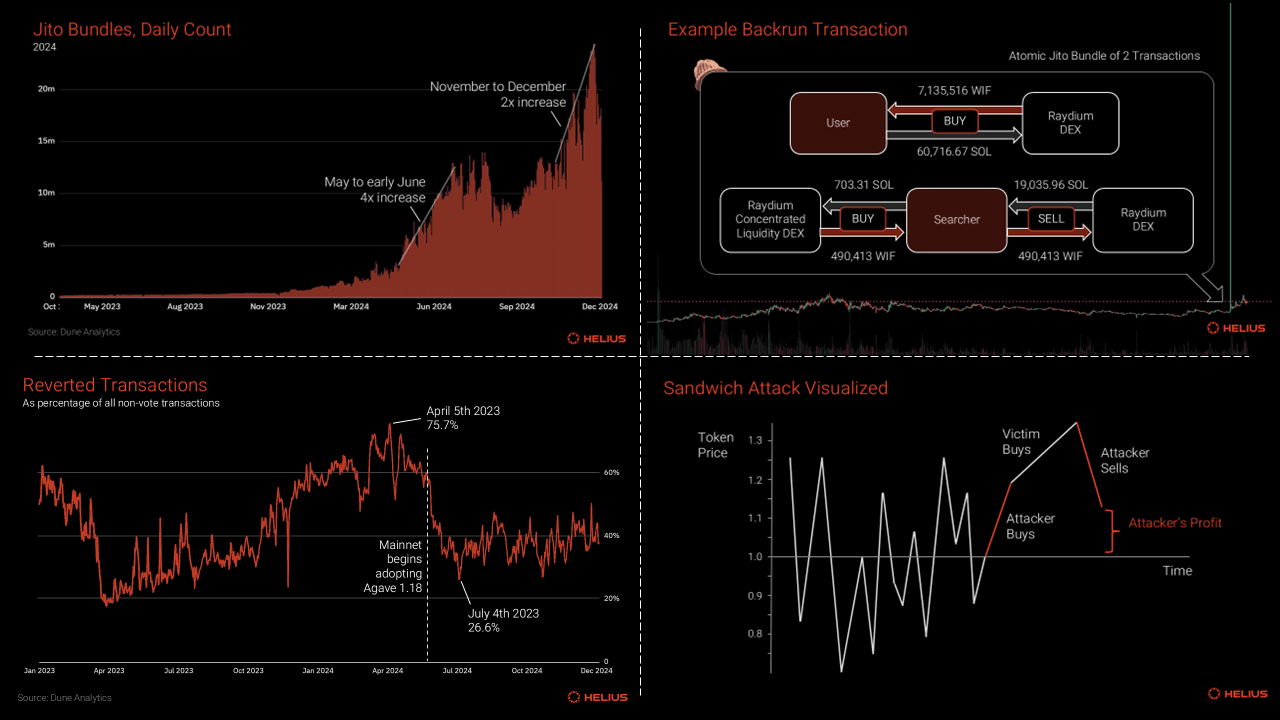
The shift from traditional block building to modern MEV infrastructure represents a significant change in how value is captured and distributed.
| Feature | Traditional MEV | MEV-Boost / SUAVE |
|---|---|---|
| Block Building | Validator builds internally | External builders/relays |
| Cross-Chain Support | Limited or none | Native via SUAVE |
| Transparency | Low, opaque | High, public relay bids |
| Centralization Risk | Low | High among builders |
The adoption of these tools has made MEV extraction more professionalized. Searchers now operate as institutional participants, competing on infrastructure efficiency rather than just code optimization. This evolution is a defining characteristic of the current landscape, where the battle is increasingly fought over network architecture and order flow access.
Validator Yields and Redistribution
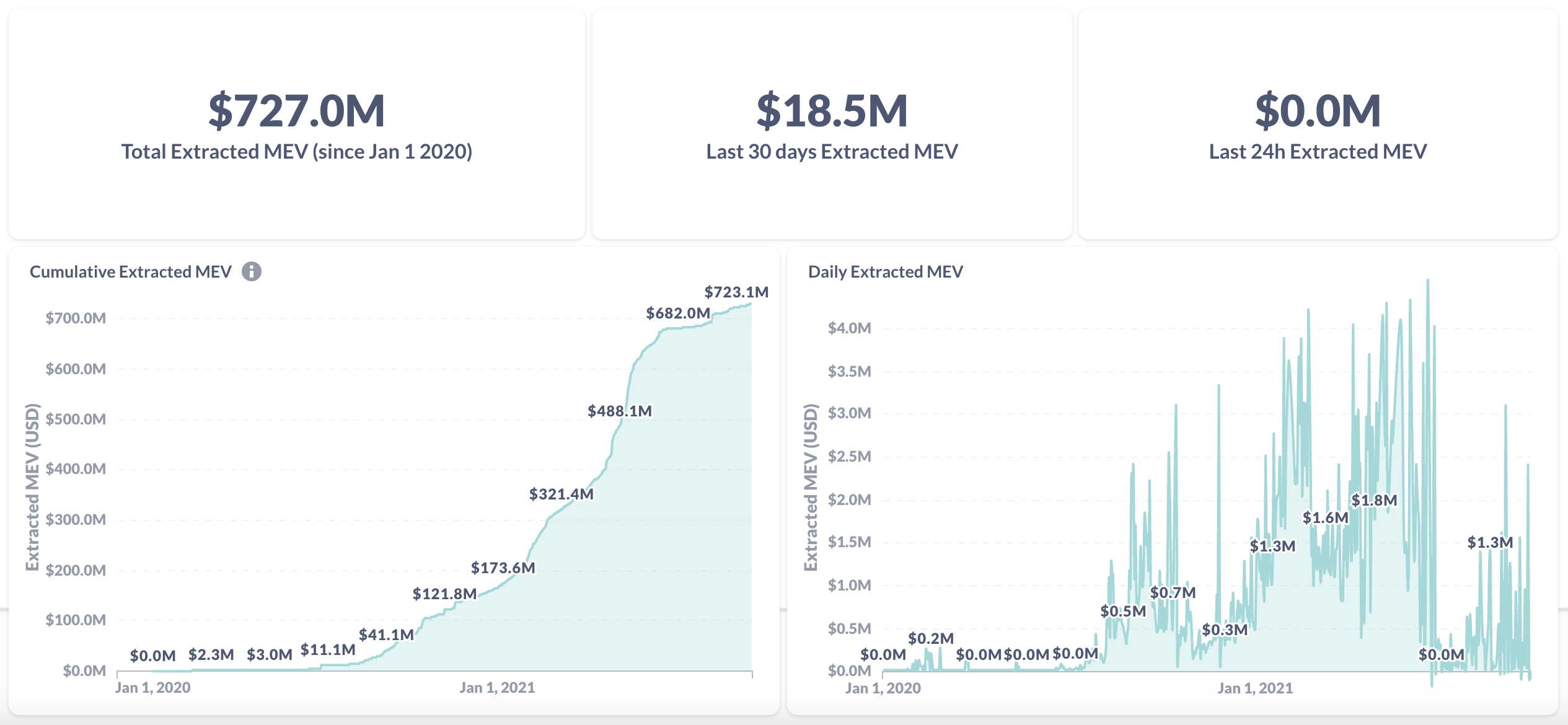
In 2026, the economic model for Ethereum validators has shifted from a reliance on block rewards to a hybrid structure where MEV plays a central role. While the base APR for staking sits at roughly 2.78%, validators running MEV-Boost see an additional 0.5–1% in rewards. This extra yield is not free money; it is the result of sophisticated searchers competing to reorder or include transactions for maximum profit.
MEV adds 0.5–1% to validator APR in 2026.
The redistribution of these rewards raises questions about public goods funding. Projects like Gitcoin have long argued that MEV, often described as a hidden tax on transactions, could be redirected to support infrastructure. However, the current architecture funnels most of this value directly to validators and relayers, leaving public goods underfunded relative to the total value extracted.
Mitigation and Security Strategies
As MEV extraction evolves toward AI-driven searchers, the cost of exposure rises for both traders and protocol developers. Protecting capital requires shifting from passive participation to active defense mechanisms. The following steps outline how to reduce front-running and sandwich attack risks.
Public mempool visibility is the primary vulnerability. Routing transactions through private relays like Flashbots Protect or BloXroute keeps your trade details hidden until they are included in a block. This prevents AI searchers from scanning for profitable opportunities before execution.

Standard slippage settings often leave room for sandwich attacks. While tight slippage protects against bad fills, overly generous tolerance signals to extractors that you are desperate to trade. Use dynamic slippage calculators that adjust based on current network congestion and token volatility rather than static percentages.
For high-value transfers, consider protocols that bundle trades or use zero-knowledge proofs to hide input/output amounts. As noted in recent industry analysis, high-value transfers can suffer 2-5% MEV extraction, while NFT bridge transfers face even higher leakage. Privacy layers disrupt the data searchers rely on.
MEV bots often compete via gas auctions. If you see sudden spikes in base fees unrelated to network congestion, you may be in the crosshairs of a sandwich attack. Delaying non-urgent transactions during these peaks can significantly reduce the probability of being front-run.
For developers, the architecture of your smart contracts must prioritize security over minimal gas costs. Implementing commit-reveal schemes or using encrypted mempools ensures that transaction data remains opaque until the final state change. This aligns with the broader shift in the industry, where transparency is increasingly viewed as a liability rather than a feature.
No comments yet. Be the first to share your thoughts!