
mev watch 2026
This report breaks down the five most impactful MEV strategies emerging in 2026 and the specific protections you need to navigate them. We evaluated these strategies based on real-time data from MEV Watch, which tracks Ethereum block flow through MEV-Boost relays, and recent censorship incidents reported by industry analysts.
Our selection criteria focused on strategies that currently affect the majority of transactions. We prioritized actionable protections over theoretical concepts. The goal is to give you a clear map of the risks and the tools to mitigate them.
5 MEV Watch 2026 Report: Top 5 Emerging MEV Strategies & How to Protect Your Portfolio
Front-running and sandwich attacks are evolving beyond simple arbitrage into sophisticated, multi-step extraction strategies in 2026. This report breaks down the five most critical emerging MEV vectors and provides concrete, actionable steps to harden your portfolio against these specific threats.
Pick the right fit
Choosing an MEV protection strategy is less about finding a single perfect tool and more about matching your risk tolerance to the specific threats facing your node or portfolio. The landscape shifts weekly, so a framework that prioritizes transparency and control will serve you better than chasing the latest hot strategy.
Start by auditing your current exposure. If you are running a validator node, your primary concern is censorship resistance and relay diversity. If you are an end-user interacting with DeFi protocols, your focus should be on slippage protection and front-running prevention. Understanding where you sit in the stack determines which of the five emerging strategies actually applies to your workflow.
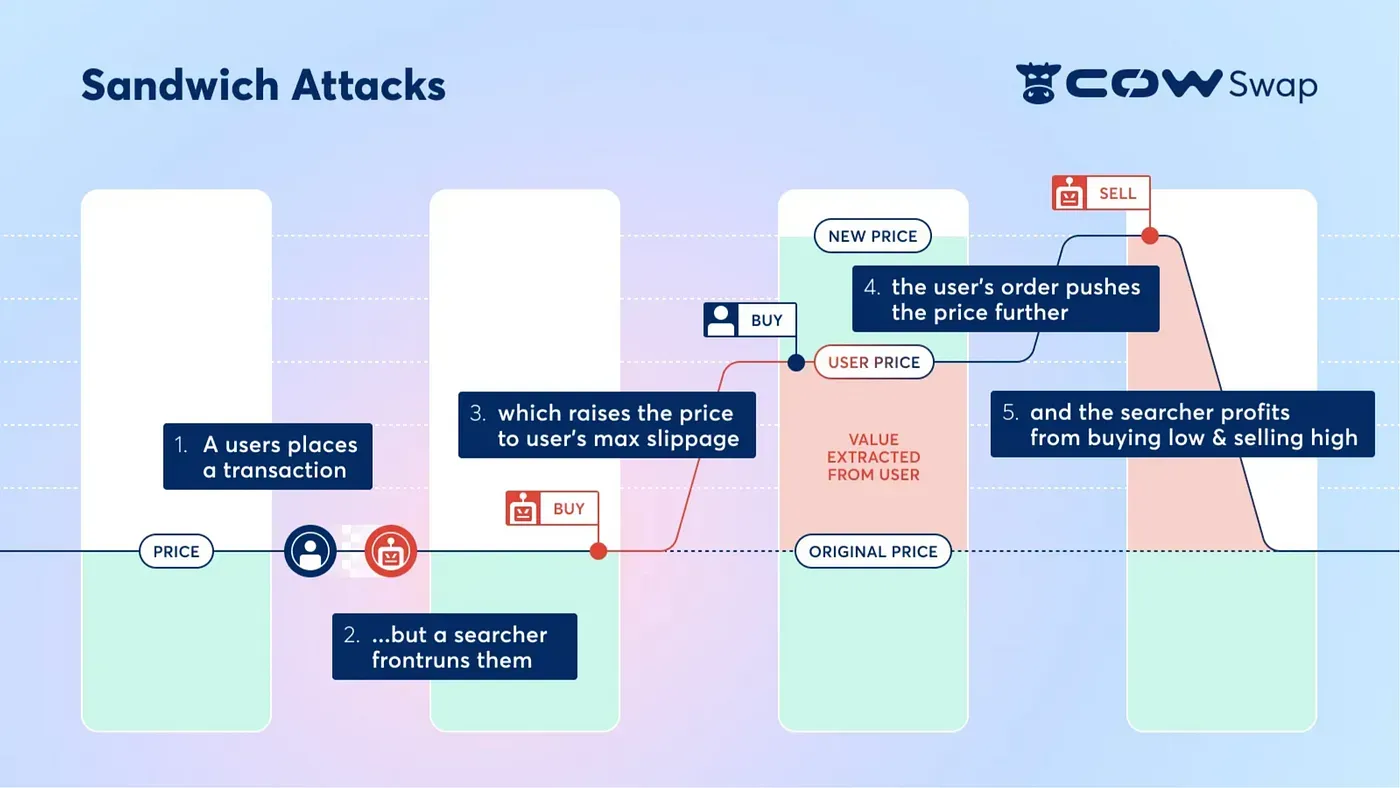
Before implementing new protections, map your existing transaction flow. Identify which relays or block builders you currently use and check their censorship rates. MEV Watch provides real-time data on relay share and censorship events, giving you a baseline for how much of your block flow is still vulnerable. If over 20% of your blocks are being censored by dominant relays, you need immediate intervention.
For validators, the most critical step is diversifying your relay connections. Relying on a single MEV-Boost relay creates a single point of failure. Switch to configurations that route through multiple, non-colluding relays. This ensures that even if one relay engages in censorship, your block proposal can still find a builder willing to include your transactions. Look for tools that allow dynamic relay swapping based on real-time health checks.
If you are a high-frequency trader or interacting with volatile DeFi protocols, standard private RPCs may not be enough. Consider using solutions that bundle your transactions with others to obscure your intent, or utilize flashbots Protect for direct-to-builder submission. These methods prevent front-running by ensuring your transaction is only included if it meets your specific price constraints, effectively neutralizing searcher advantages.
MEV strategies are not set-and-forget. Market conditions change, and new searchers emerge constantly. Integrate monitoring tools that alert you to spikes in censorship or unusual MEV extraction patterns. This data allows you to pivot quickly, switching from one strategy to another as the threat landscape evolves. Passive monitoring is insufficient in a high-stakes environment.
Never deploy a new MEV protection strategy with your full portfolio. Run a parallel test using a small amount of capital to verify latency, success rates, and cost efficiency. Measure the actual savings against the overhead of the protection mechanism. Only scale up once you have confirmed that the strategy delivers the expected protection without introducing unacceptable delays or fees.
| Strategy | Best For | Risk Level |
|---|---|---|
| Relay Diversification | Validators | Low |
| Private RPCs | Traders | Medium |
| Transaction Batching | High-Volume Users | Medium |
| Flashbots Protect | DeFi Interactions | Low |
| Custom Builders | Institutions | High |
Mev watch 2026 report: 5 emerging mev strategies & how to protect your portfolio: what to check next
What is MEV and why should I care? Maximal Extractable Value (MEV) is the extra profit block producers can make by reordering, inserting, or censoring transactions. For regular users, this often means paying higher gas fees or getting "sandwiched" by bots that front-run your trades. MEV Watch tracks how much of Ethereum's block flow passes through relays, showing that while censorship risks exist, the ecosystem is adapting. Understanding these mechanics helps you choose wallets and networks that prioritize fair transaction ordering.
How does MEV-Boost affect my transactions? MEV-Boost connects validators to multiple relays that compete to build blocks. While this decentralizes block production, it also centralizes transaction visibility. If a relay censors specific addresses, your trades might be delayed or rejected. Monitoring tools like MEV Watch show the share of blocks processed by censorious relays, allowing you to assess the current risk level of the network infrastructure you are using.
What are the top 5 emerging MEV strategies in 2026? The landscape has shifted from simple arbitrage to more complex extraction methods. Leading strategies now include:
- Searcher Collaboration: Bots working together to split profits and reduce competition.
- Censorship Resistance: Relays intentionally ignoring transactions from certain addresses to protect users.
- SUAVE Integration: Using Flashbots' Shared Atomic User Virtual Execution to isolate MEV.
- Cross-Chain Arbitrage: Exploiting price differences across multiple blockchains in real-time.
- Liquid Staking Derivatives: Extracting value from the complex flow of staking rewards.
How can I protect my portfolio from MEV bots? You can reduce exposure by using privacy-preserving wallets that hide transaction intent before it hits the mempool. Avoid trading during high-volatility periods when bot activity peaks. Additionally, consider using decentralized exchanges with built-in MEV protection or routing your transactions through private RPC endpoints that bypass the public mempool entirely.
Is MEV good or bad for Ethereum? MEV has a dual nature. On one hand, it incentivizes validators to secure the network by providing extra rewards. On the other hand, it can lead to centralization and unfair trading conditions for retail users. The goal of 2026 upgrades is to redistribute MEV benefits more evenly, ensuring that the network remains secure without compromising decentralization or user fairness.
Helpful gear
Use these product recommendations as a starting point, then choose the size, material, and price point that fit how you actually use the gear.
![LODIMEKE Smart Watch for Women Men, 2026 Upgrade Smartwatch [2 Bands, 44mm case], 1.83" Fitness Tracker Watch Alexa Built-in, Make/Answer Call, HR Sleep Stress Monitor, IP68 Waterproof Step Counter Watch](https://m.media-amazon.com/images/I/81q++ryyTsL._AC_UL960_QL65_.jpg)

As an Amazon Associate, we may earn from qualifying purchases.
No comments yet. Be the first to share your thoughts!