
mev protection 2026
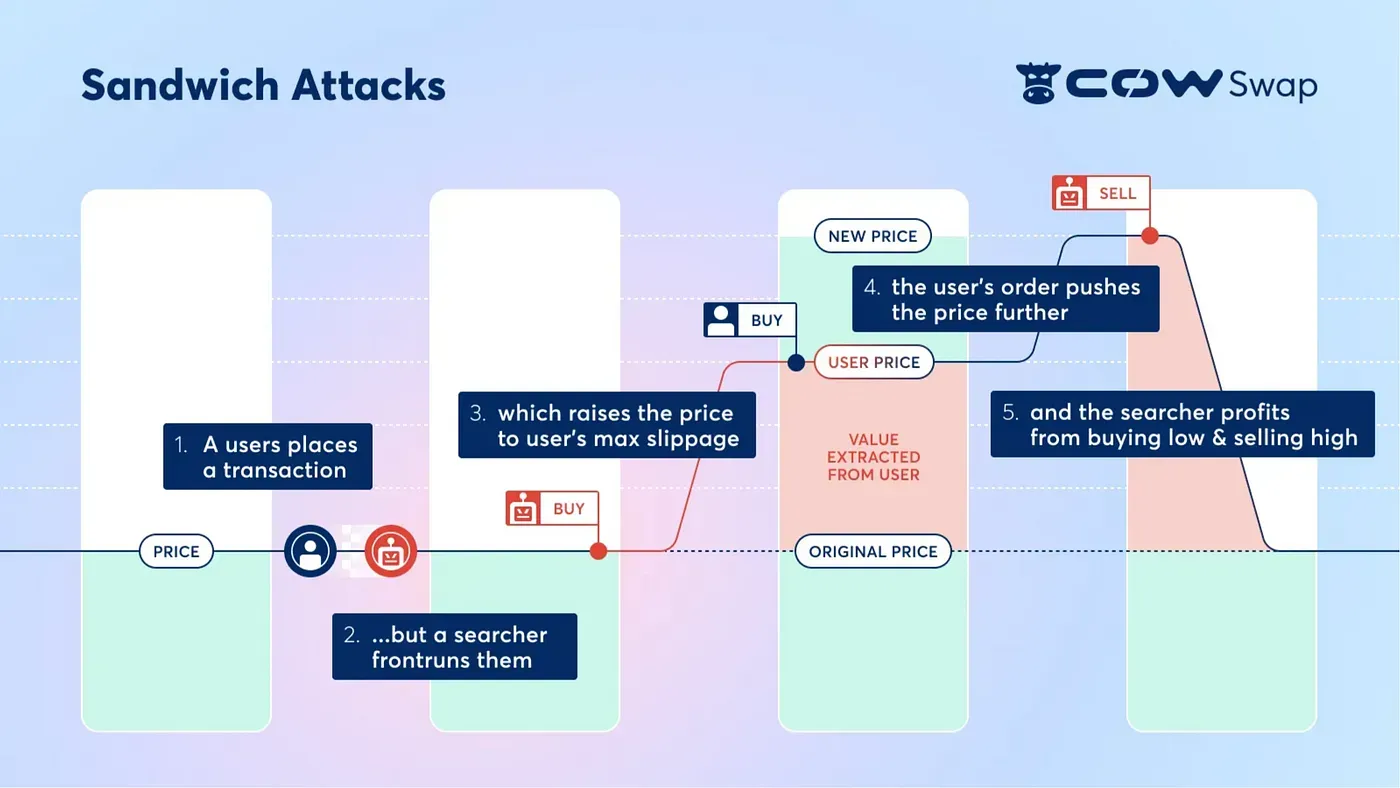
This guide evaluates five distinct approaches to shielding validator blocks from extractable value (MEV) extraction. MEV occurs when validators or searchers reorder, insert, or censor transactions to capture profit, often at the expense of user slippage or network fairness.
We selected these strategies based on practical deployment in 2026, prioritizing methods that offer measurable protection without compromising block production speed. The list ranges from immediate relay integrations to deeper protocol-level adjustments, allowing validators to choose the fit for their infrastructure.
5 MEV Protection Strategies for Ethereum Validators in 2026
As Ethereum's block space grows more contested, validators face increasing pressure to safeguard their rewards from extraction. This guide outlines five concrete strategies to mitigate MEV risk, balancing security requirements with operational performance. Each method includes specific implementation steps and tradeoffs to help you choose the right setup for your node infrastructure.
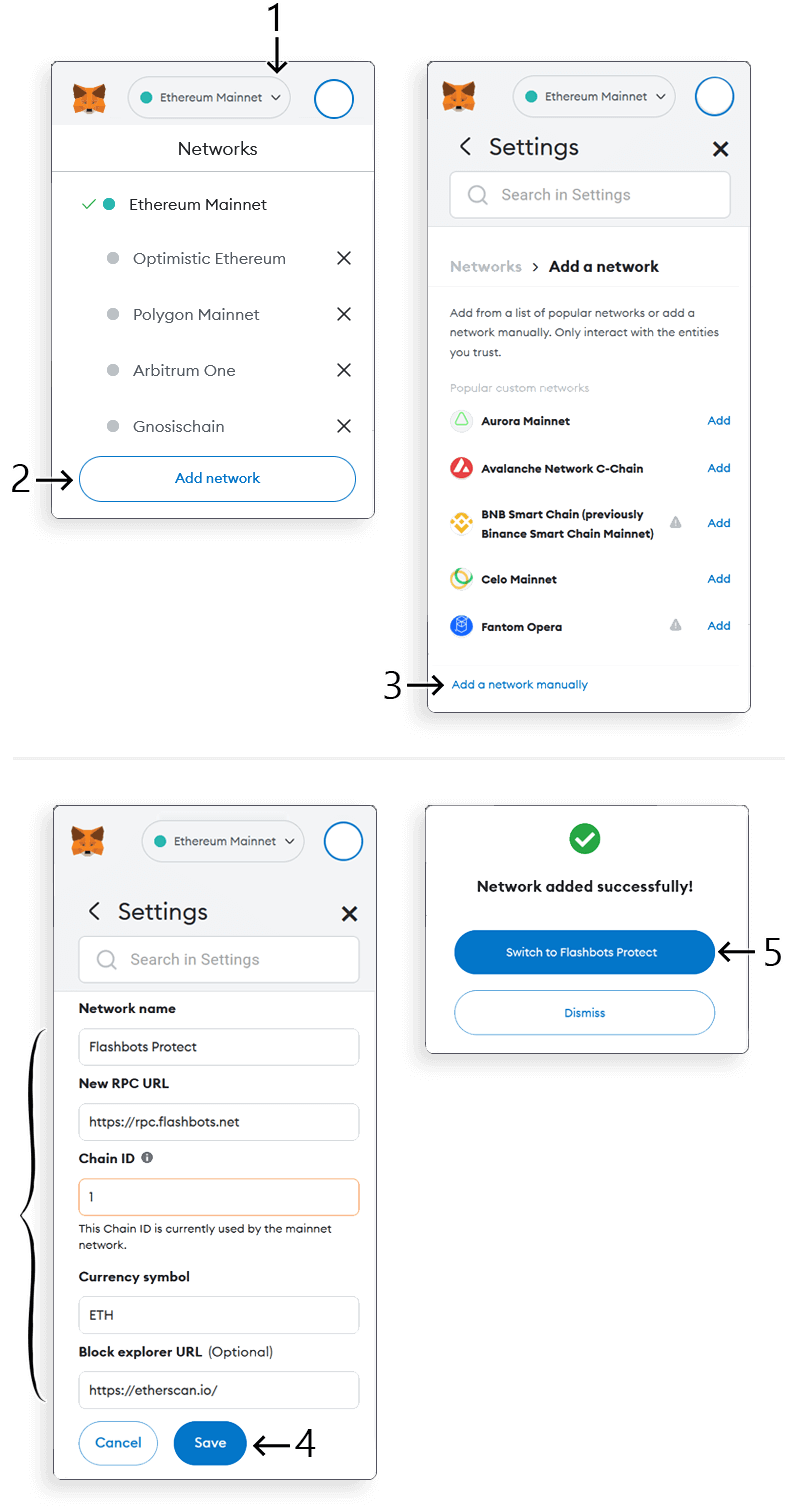
1. Private transaction pools like Flashbots Protect
Flashbots Protect routes your mempool traffic through encrypted channels, preventing front-running bots from seeing your transactions before inclusion. This isolation stops searchers from sniping your trades by observing public mempool activity. By keeping your intent private until block construction, you reduce the risk of adverse selection and preserve your trading edge in high-frequency environments.
2. MEV-Boost relay selection and filtering
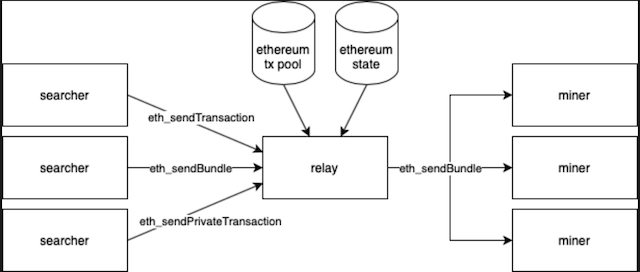
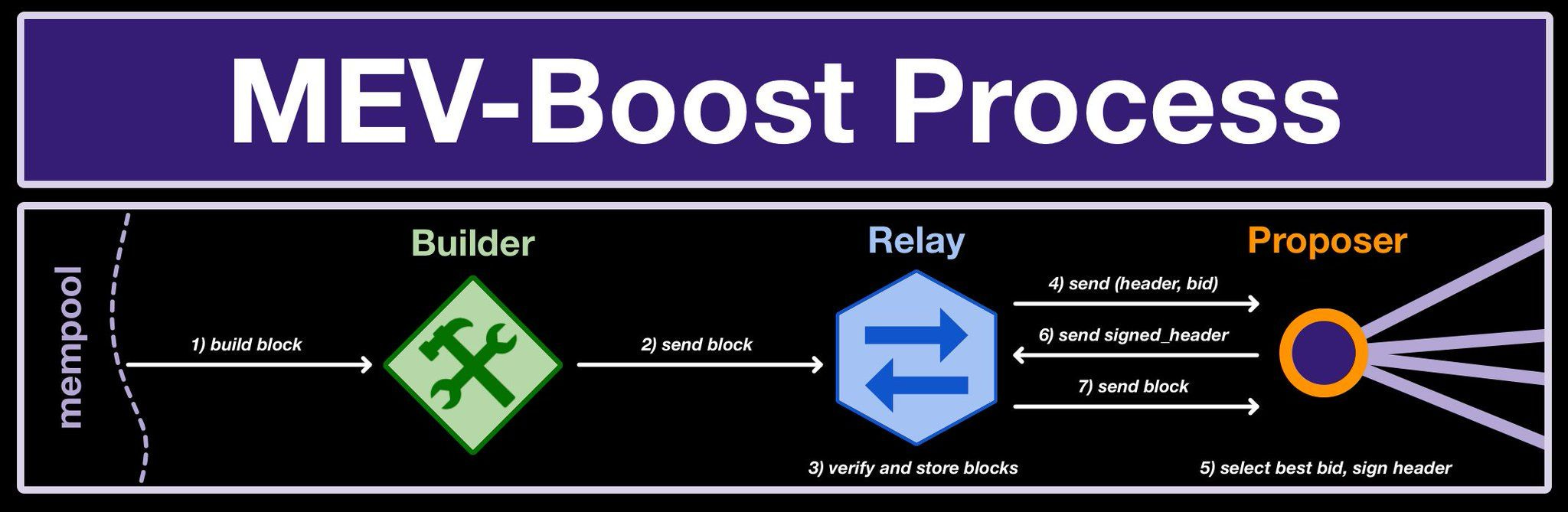
MEV-Boost connects validators to multiple relays, allowing you to filter out malicious or low-quality block proposals. By configuring strict relay selection criteria, you ensure that only trusted entities submit blocks to your validator. This strategy mitigates censorship risks and prevents you from accidentally accepting blocks that contain harmful or unexpected transactions, maintaining network stability.
3. Custom builder selection via mev-boost
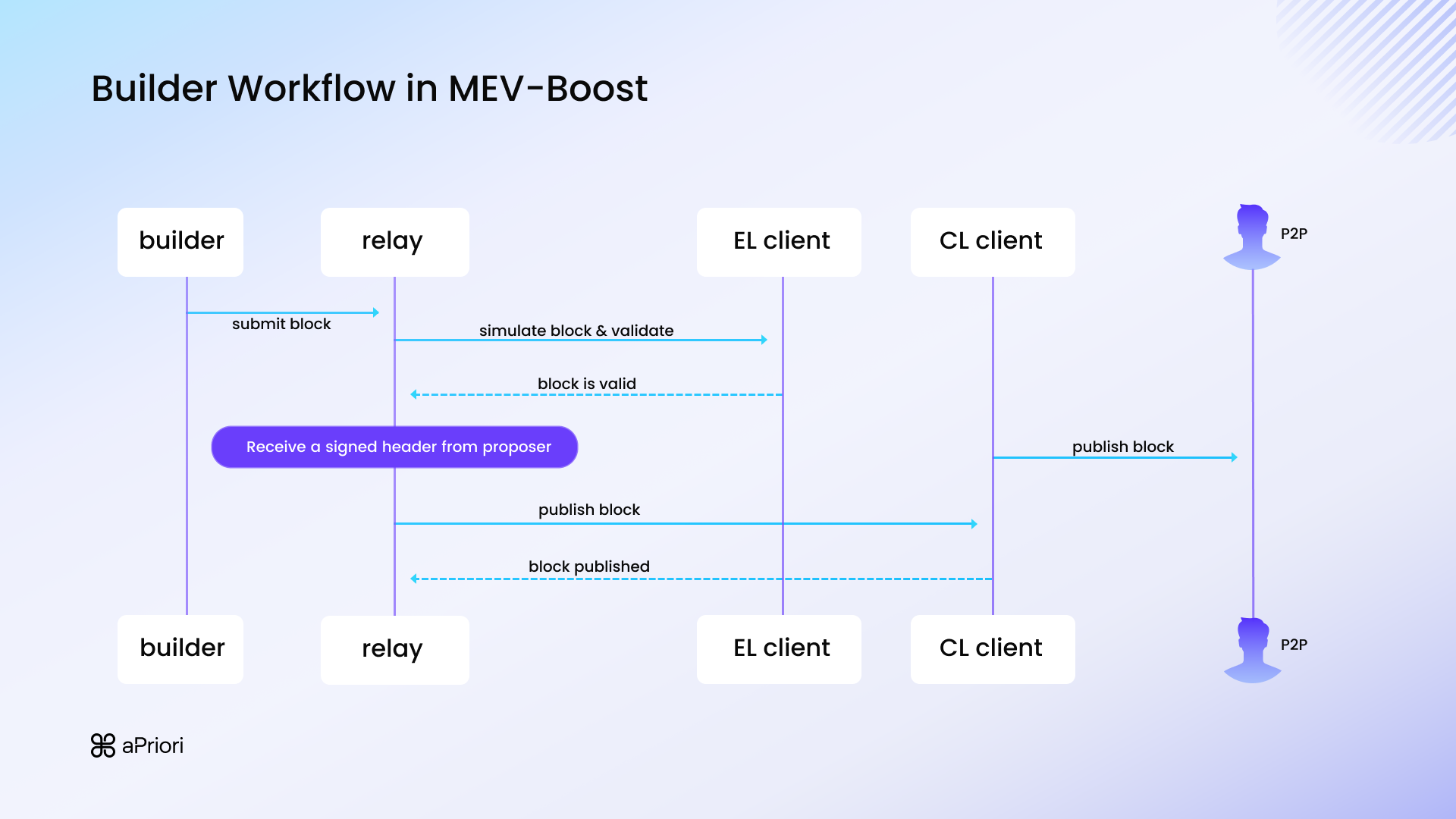
Using MEV-Boost, validators can choose specific builders who align with their values or performance metrics. This customization allows you to prioritize builders who offer better revenue sharing or adhere to strict ethical guidelines. By selecting trusted builders, you ensure that your block production supports your operational goals and maintains transparency in the MEV extraction process.
4. Local execution client MEV settings
Configuring your local execution client to handle MEV locally allows for precise control over transaction ordering and inclusion. By tuning settings like --mev.max-bundle-gas or enabling local searchers, you can optimize block construction for your specific node. This approach reduces reliance on external relays and gives you direct influence over the MEV capture process within your infrastructure.
5. Decentralized searcher networks for validators
Participating in decentralized searcher networks allows validators to access a broader pool of MEV opportunities without relying on centralized intermediaries. These networks distribute search power across multiple nodes, enhancing resilience and reducing single points of failure. By engaging with these networks, validators can capture diverse MEV streams while maintaining a robust and distributed infrastructure.
How to choose the right MEV protection setup
Selecting a MEV protection strategy for your Ethereum validator involves balancing privacy, revenue, and technical complexity. There is no single perfect tool; the right choice depends on your node infrastructure, risk tolerance, and whether you prioritize maximum block rewards or transaction fairness. Use this decision framework to narrow down the best fit for your operation.
Evaluate your current setup before installing new software. If you run a high-performance node with significant bandwidth and CPU headroom, you can afford more complex routing mechanisms like Flashbots Protect or private RPCs. Lightweight or resource-constrained validators should stick to simpler, lighter-weight solutions to avoid introducing latency that could cause missed blocks.
Decide what matters most. Public mempool users often accept lower block rewards in exchange for protecting user privacy and preventing front-running. If your primary goal is maximizing yield, you might prefer tools that route transactions through private relays with higher bid prices, even if it means some transaction data is visible to the relay operator.

Most modern Ethereum validators use MEV-Boost to connect to a block-building marketplace. Ensure your chosen protection tool integrates smoothly with MEV-Boost. Some tools act as direct RPC endpoints for your validator client, while others require you to route transactions through a separate middleware layer. Compatibility issues here can lead to failed block proposals or missed opportunities.


As an Amazon Associate, we may earn from qualifying purchases.
| Feature | Privacy Level | Revenue Potential | Setup Difficulty |
|---|---|---|---|
| Flashbots Protect | High | Medium | Low |
| Private RPCs | Medium | High | Medium |
| MEV-Boost Relays | Low | High | Low |
| Custom Routing | Custom | Custom | High |
No comments yet. Be the first to share your thoughts!