

In 2025, the DeFi validator landscape is undergoing a seismic shift. The introduction of MEV ethics scoring systems is fundamentally altering how validators are incentivized, monitored, and rewarded. As MEV (Maximal Extractable Value) extraction becomes more sophisticated and pervasive across blockchains like Solana, Ethereum, and Avalanche, the pressure to align validator profits with ethical on-chain behavior has never been higher.
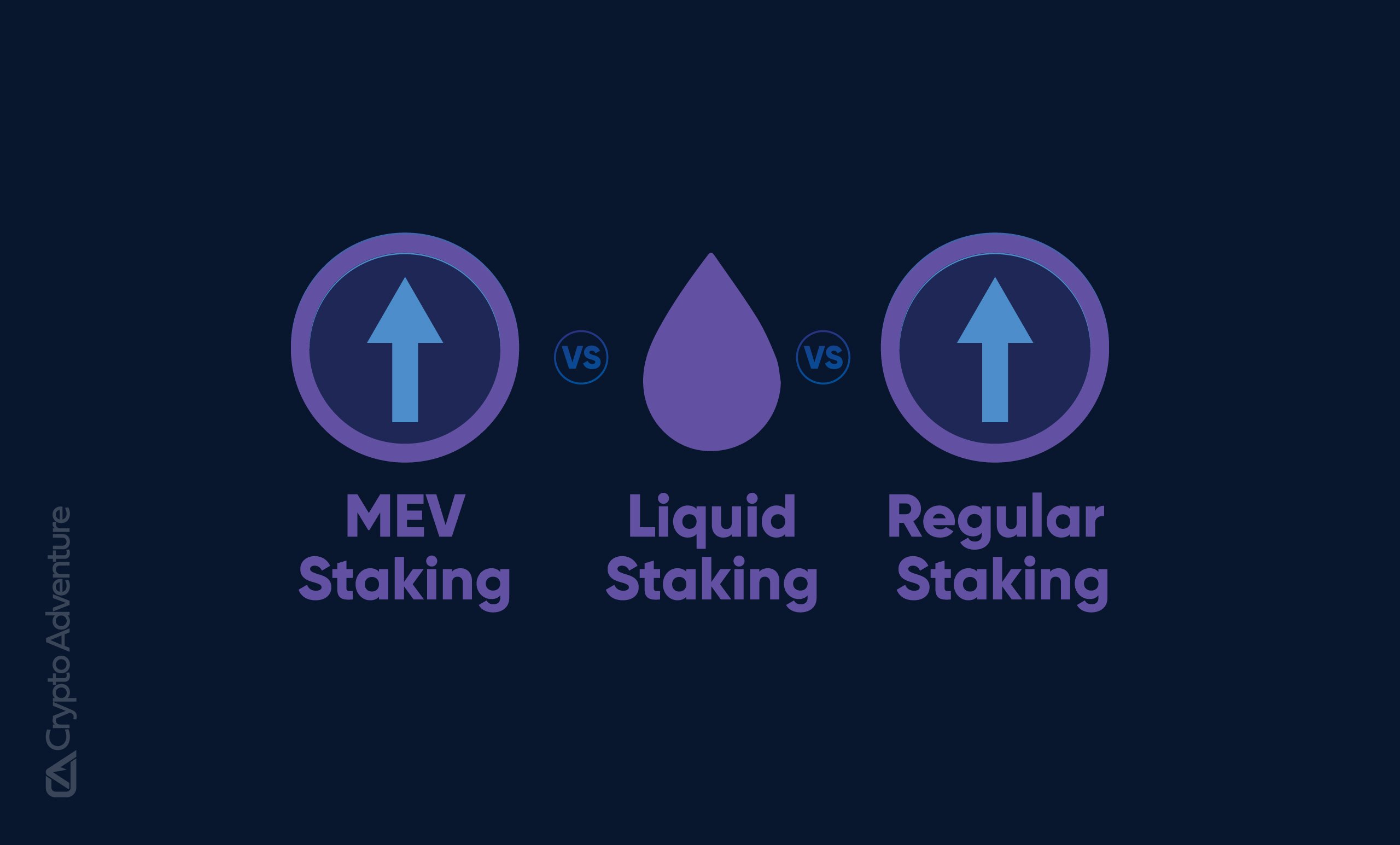
Why MEV Ethics Scoring Is Needed Now
MEV represents the profit opportunity for validators to reorder, include, or exclude transactions within the blocks they propose. While this can boost validator revenue streams, especially in high-throughput environments like Solana where Figment’s Q3 2025 report highlights surging MEV-related rewards, it also opens the door to predatory behaviors. Tactics like front-running and sandwich attacks directly erode user trust and protocol fairness.
This misalignment is not theoretical: as recent research shows, unchecked MEV extraction distorts validator incentives and can destabilize consensus mechanisms. In response, MEV ethics scoring systems are emerging as a data-driven solution to quantify and reward ethical transaction processing at scale.
How MEV Ethics Scoring Systems Work
An MEV ethics scoring system operates by analyzing on-chain activity for each validator. It assigns scores based on several key metrics:
- Fair transaction ordering: Are transactions processed in a way that minimizes user harm?
- Transparency: Does the validator make its ordering logic auditable or open source?
- Avoidance of exploitative patterns: Is there evidence of front-running or value-extractive sandwiching?
- User rebates: Does the validator participate in redistributing captured MEV back to users or protocols?
The results are aggregated into an ethics score that is visible to delegators, protocol designers, and even other validators. High-scoring validators gain access to enhanced staking rewards, greater block proposal opportunities, or improved standing within staking pools.
The Impact on Validator Incentives
The adoption of these systems is already transforming market dynamics:
- Fairness becomes profitable. Validators can no longer maximize returns purely through extractive tactics, now there’s a direct link between ethical behavior and economic upside.
- Diversification of rewards. Networks like Solana and Ethereum are experimenting with layered incentive models where a portion of staking rewards is tied to an ethics score multiplier. This encourages long-term alignment with network health over short-term profit grabs.
- User trust increases participation. As transparency grows (with tools such as Flashbots Protect boasting a 98.5% protection success rate), more users feel confident delegating stakes or participating in DeFi protocols powered by high-scoring validators.
This shift marks a move from raw performance-based incentives toward holistic value creation, balancing profitability with sustainable network growth. For detailed mechanisms behind these changes, see our guide on fair value redistribution via MEV rebates.
Pushing for Standardization and Adoption
The journey isn’t without friction. Standardizing what constitutes ‘ethical’ behavior across diverse chains remains complex; ongoing debates among protocol designers reflect regional differences in risk tolerance and economic philosophy. Integrating scoring into legacy infrastructure also requires careful calibration, validators used to maximizing yield through every available channel may resist new limitations unless incentives are clear and compelling.
Community-driven governance is emerging as a key lever for adoption. By involving both users and validators in setting the parameters of MEV ethics scoring, blockchains are building legitimacy and buy-in for these frameworks. Several networks have launched on-chain referenda or pilot programs to crowdsource feedback, iterating quickly to ensure the scoring models reflect real-world trading behavior and not just theoretical ideals.
Top Validator Best Practices for Maximizing MEV Ethics Scores (2025)
- Integrate Flashbots Protect for Transaction Routing: Using Flashbots Protect ensures 98.5% success in MEV protection, minimizing harmful MEV extraction and boosting your ethics score.
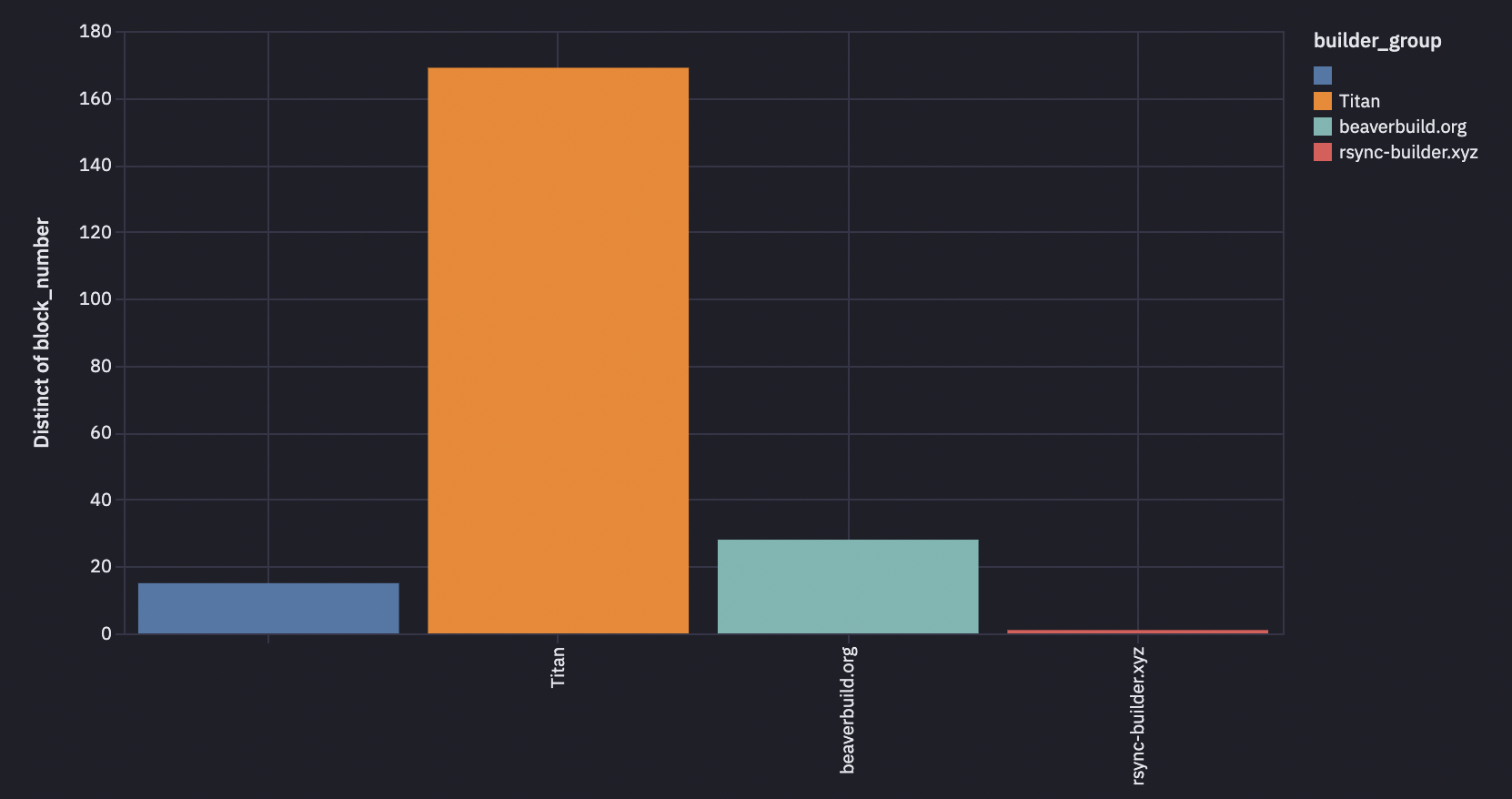
- Adopt Blocker for Real-Time MEV Defense: Deploy Blocker to achieve 96.2% MEV protection with fast 180ms response, safeguarding users and demonstrating ethical transaction ordering.
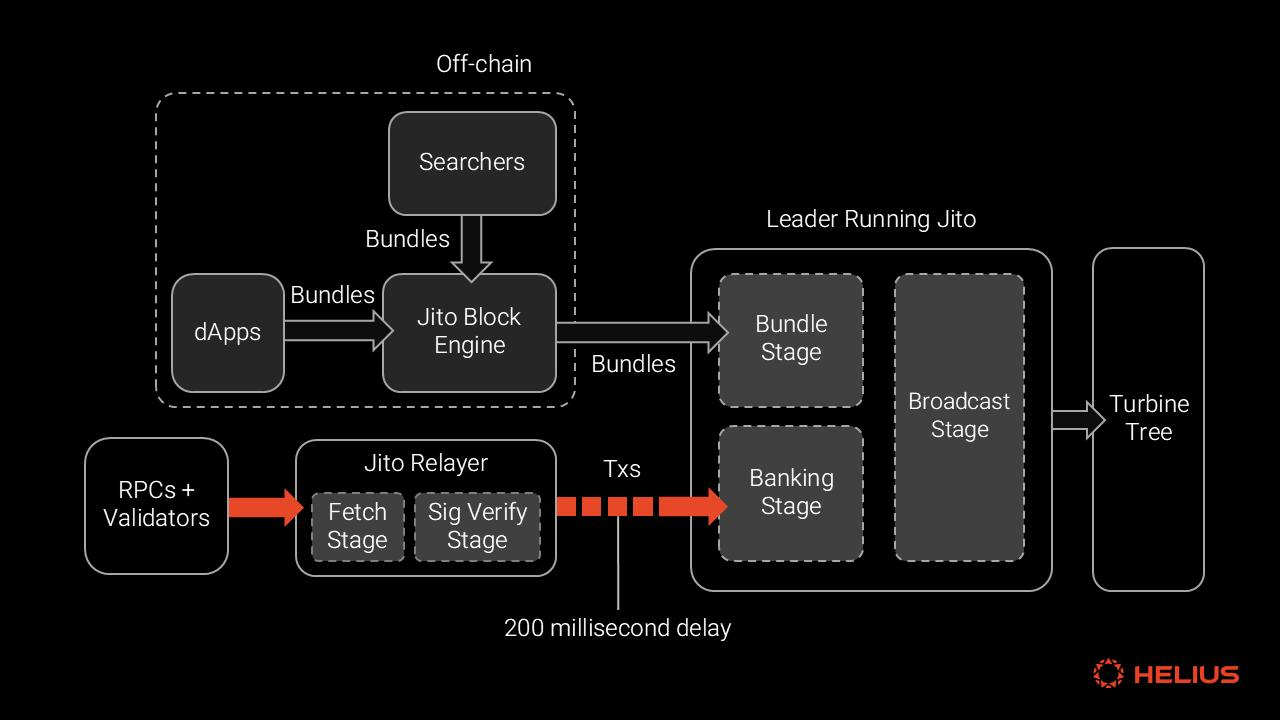
- Implement Transparent Transaction Ordering Policies: Publicly document and enforce fair transaction sequencing to reduce front-running and sandwich attacks, as recommended by MEV Watch.
- Participate in MEV-Aware Staking Pools: Join staking protocols that reward ethical MEV behavior, such as those highlighted in Figment's Q3 2025 Solana Validator Report.
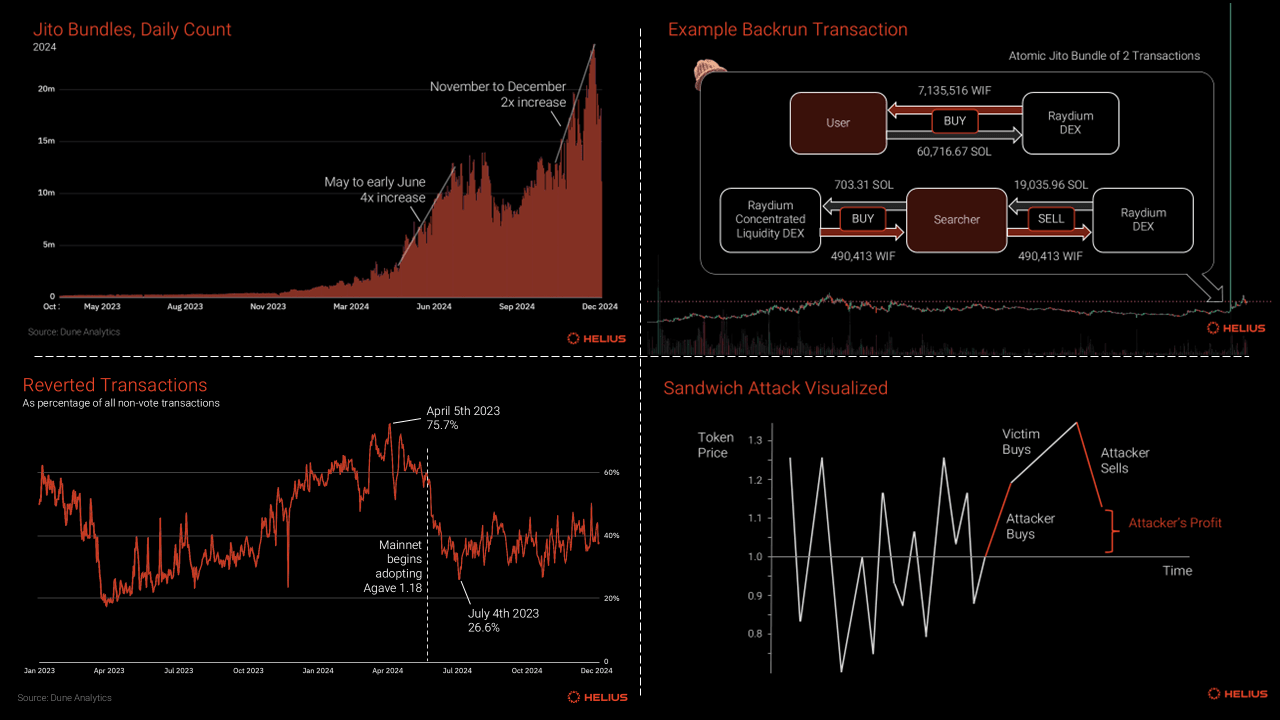
- Engage in Continuous Ethics Monitoring: Use analytics from platforms like MEV Watch to track your MEV extraction patterns and adjust practices to maintain high ethics scores.
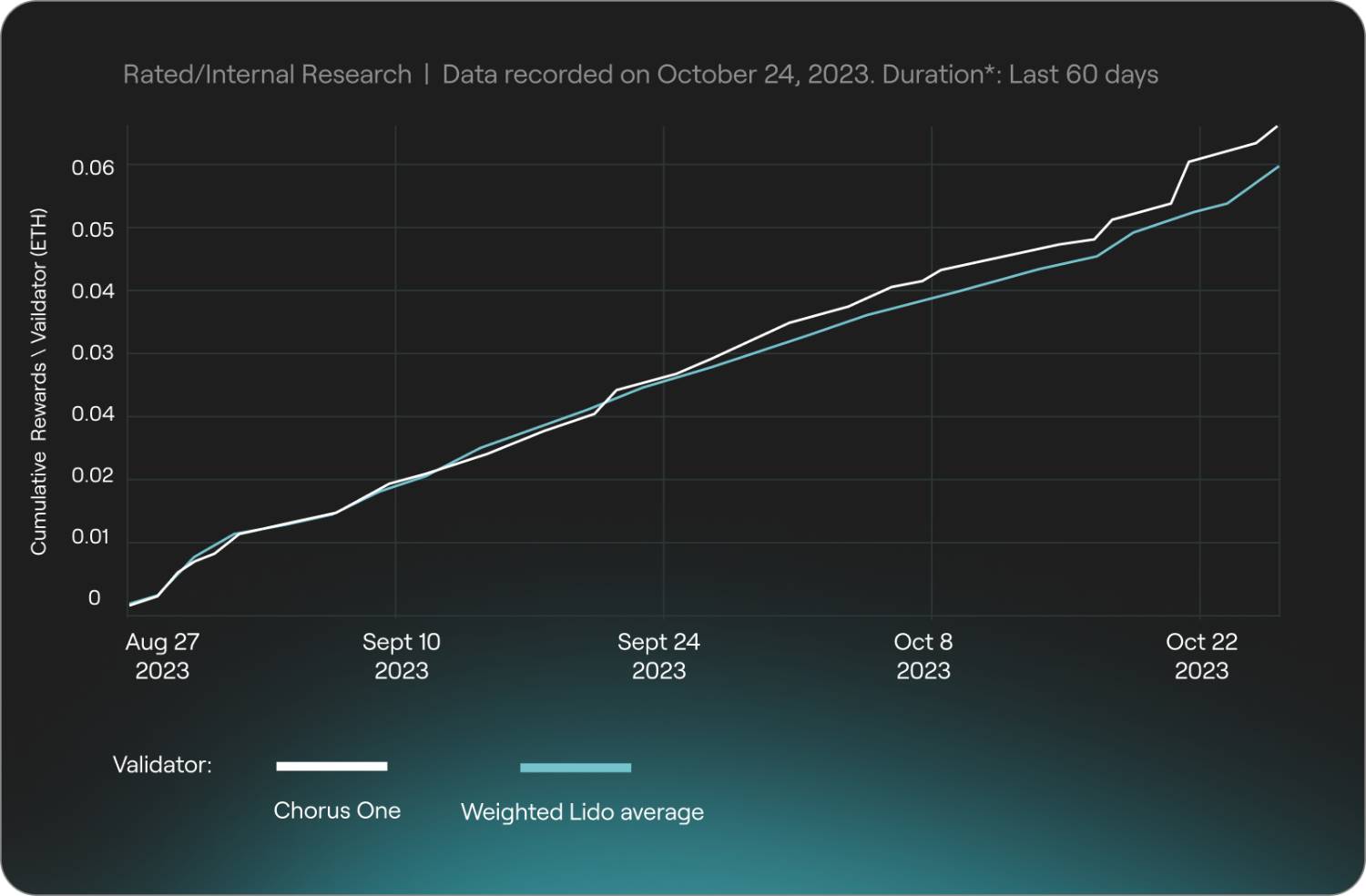
- Support Decentralization Through Diverse Validator Sets: Operate across multiple networks (e.g., Solana, Ethereum, Cosmos) to avoid centralization risks and align with scoring systems that reward network health, as advised by Blockdaemon.

- Maintain Open Communication with Delegators: Regularly update your community on MEV handling practices and score improvements to build trust and attract more stake.
On the technical front, real-time analytics platforms are enabling more granular monitoring of validator activity. These tools leverage machine learning to detect subtle forms of value extraction and flag emerging attack vectors. For example, on Solana and Ethereum, open dashboards now display live MEV ethics scores alongside validator performance metrics, making it easier for delegators to make informed decisions about where to stake.
Transparency is also driving competition. Validators now publicly tout their high ethics scores as a differentiator, creating reputational pressure for others to follow suit. This dynamic is visible in recent social media trends:
As more DeFi protocols integrate MEV-aware staking mechanisms, we’re seeing the emergence of new hybrid reward models. These blend traditional block rewards with user rebates and protocol-level bonuses tied directly to on-chain behavior analytics. Such structures not only incentivize fairness but also create a feedback loop, validators that consistently act ethically attract more stake, which in turn reinforces their network influence and reward share.
What’s Next for Fairness in MEV Redistribution?
The next frontier lies in cross-chain coordination. As capital becomes increasingly fluid across ecosystems like Solana, Avalanche, and Ethereum, there’s growing demand for portable MEV ethics credentials, allowing validators to prove their track record regardless of chain. Early-stage projects are experimenting with cryptographic attestations and decentralized identity solutions that could enable this kind of interoperability.
For developers and protocol designers looking to implement or refine these systems, robust on-chain behavior analytics are essential. The latest research emphasizes combining quantitative transaction data with qualitative user feedback loops to capture the full spectrum of ethical (and unethical) behaviors. For more on how redistribution protocols can be tailored for fairness at both the user and protocol level, explore our resource on enhancing DeFi fairness through MEV redistribution.
Ultimately, MEV ethics scoring is proving that transparency plus incentive alignment can shift validator culture at scale, even in fiercely competitive environments. As these frameworks mature through 2025 and beyond, expect them to become foundational infrastructure not just for DeFi but for any blockchain ecosystem where trustless coordination meets economic opportunity.




No comments yet. Be the first to share your thoughts!