
Regulatory shifts in digital asset markets
The legal landscape for digital assets has moved from ambiguous enforcement to structured frameworks. In 2026, the transition is defined by two major developments: the EU’s Markets in Crypto-Assets (MiCA) regulation and the United States’ Digital Asset Banking Act of 2026. These frameworks no longer treat blockchain activity as a legal gray area but as a regulated financial sector with clear compliance requirements.
The U.S. regulatory and enforcement landscape changed dramatically in 2025, setting the stage for this new era of clarity. Virtually every major jurisdiction has now established specific rules for how digital assets are classified, traded, and held. This shift is particularly evident in the joint classification efforts by the SEC and CFTC, which have begun to explicitly categorize major digital assets, reducing the uncertainty that previously hampered institutional adoption.
At the core of this change is the recognition that blockchain infrastructure must support traditional financial compliance. The Digital Asset Banking Act of 2026 authorizes banks and credit unions to provide digital asset services, including custody, staking, and fiduciary transactions. This legal gateway allows traditional financial institutions to enter the market with the same regulatory protections they apply to fiat currencies, fundamentally altering the competitive dynamics of arbitrage and trading.
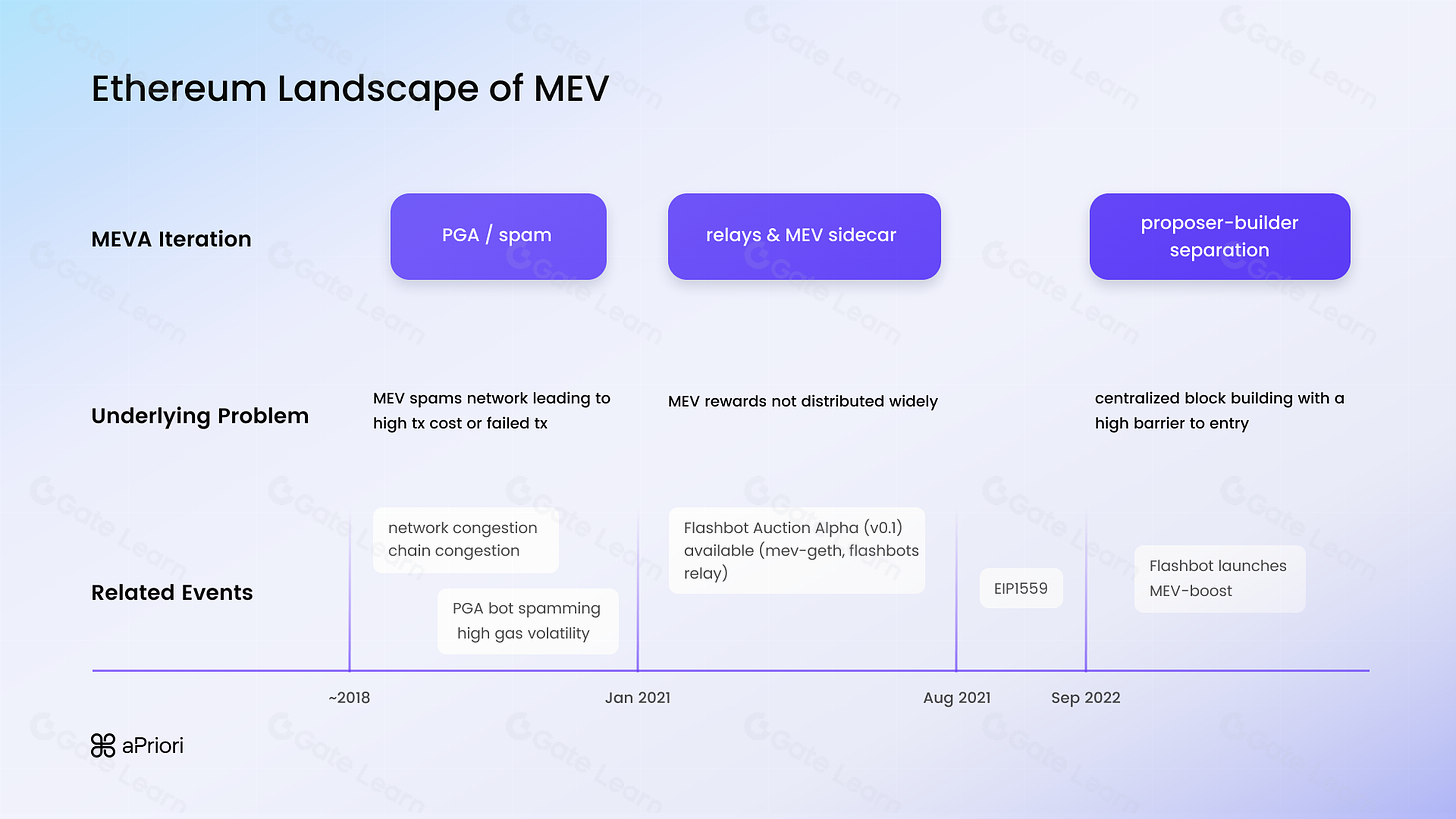
For market participants, the implications are immediate. Compliance is no longer optional; it is a prerequisite for market access. The era of unregulated maximal extractable value (MEV) extraction is ending, replaced by systems designed to prevent unfair advantages and ensure impartial execution. This structural shift requires a re-evaluation of trading strategies, as the regulatory cost of non-compliance now outweighs the potential gains from opaque arbitrage opportunities.
MiCA deadlines and EU compliance rules
The implementation of the Markets in Crypto-Assets (MiCA) regulation introduces a rigid operational framework for entities managing Maximal Extractable Value (MEV) within the European Union. The critical deadline of July 1, 2026, serves as the hard cutoff for compliance, requiring all crypto-asset service providers (CASPs) operating in the EU to align their infrastructure with the new regulatory standards. This timeline is not merely administrative; it fundamentally alters the risk profile for cross-chain arbitrage strategies that rely on rapid, unregulated transaction ordering.
By the April 2026 interim mark, the EU market is expected to stabilize with 38 accredited stablecoin issuers, establishing a consolidated regulatory environment. For arbitrageurs, this consolidation means that the "wild west" phase of cross-chain operations is ending. Compliance is no longer optional but a prerequisite for market access. The regulation effectively turns MEV extraction from a technical capability into a licensed business activity, subject to strict transparency and audit requirements.
To understand the current market volatility surrounding these regulatory shifts, it is useful to observe real-time asset performance. The following widget tracks Ethereum, the primary network where most MEV activity and subsequent regulatory scrutiny occur.
The operational constraints imposed by MiCA are specific and demanding. CASPs must now implement robust governance structures that can withstand regulatory audits. This includes detailed record-keeping of transaction flows and clear disclosure of any MEV-related revenue streams. The goal is to prevent market manipulation and ensure that arbitrage activities do not compromise the integrity of the underlying blockchain networks. Failure to meet the July 2026 deadline will result in the revocation of operating licenses, effectively banning non-compliant entities from the EU market.
US enforcement and banking act impacts
The US regulatory landscape for digital assets shifted dramatically in 2025, establishing a framework that directly restricts traditional MEV extraction methods. The Digital Asset Banking Act of 2026 authorizes banks and credit unions to provide digital asset services, including custody and staking, while simultaneously imposing strict fiduciary duties that conflict with the aggressive transaction ordering practices typical of MEV searchers Cleary Gottlieb.
Enforcement agencies have moved beyond theoretical guidance to concrete classifications. Effective March 23, 2026, the SEC and CFTC jointly classified specific digital assets, such as HBAR, as digital commodities. This joint classification creates a dual-regulatory burden for institutions attempting to monetize block space, as they must navigate both securities and commodities compliance regimes simultaneously Hedera.
For US-based entities, the distinction between regulated banking activities and unregulated crypto speculation is now a legal firewall. MEV strategies that rely on front-running or sandwich attacks are increasingly viewed as violations of fair execution standards required by banking charters. The following comparison outlines the divergent regulatory approaches.
| Region | Primary Regulator | MEV & Staking Stance | Compliance Focus |
|---|---|---|---|
| United States | SEC / CFTC | Restricted under fiduciary duty | Banking Act & Joint Classifications |
| European Union | ESMA / DORA | Regulated under MiCA | Transparency & Audit Trails |
The convergence of these regulations means that MEV is no longer just a technical optimization problem but a compliance risk. Institutions must now implement MEV-resistant infrastructure to avoid regulatory penalties, effectively pricing out smaller actors who cannot afford the necessary legal and technical safeguards.
Adjusting arbitrage strategies for compliance
The 2026 regulatory framework has fundamentally altered the risk calculus for MEV arbitrageurs. What was once a purely technical game of latency and code optimization now requires rigorous legal alignment. Under the new rules, compliance is not an optional add-on but a structural prerequisite for viability. Arbitrageurs must pivot from exploiting opaque execution environments to operating within transparent, auditable boundaries.
The following steps outline how to adapt your technical and legal infrastructure to meet these new standards.

Regulatory scrutiny focuses heavily on how arbitrageurs influence transaction sequencing. You must audit your smart contracts to ensure that your ordering logic does not inadvertently front-run or sandwich legitimate user transactions in ways that violate new fairness mandates. This involves shifting from aggressive extraction methods to more passive, liquidity-providing strategies that align with regulatory expectations of market integrity.
The new framework requires proactive filtering of transactions that trigger regulatory flags. Integrate compliance layers into your bot architecture that can identify and block transactions associated with sanctioned entities or illicit funds. This is not merely about avoiding legal liability; it is about maintaining access to regulated liquidity pools that are increasingly gated by compliance checks.

As of 2026, the battleground has shifted from Ethereum L1 to Layer 2s and high-throughput chains like Solana. These environments offer lower latency but come with stricter regulatory oversight. Arbitrageurs must adapt their strategies to operate within these regulated L2 ecosystems, where transaction data is more accessible to regulators and compliance enforcement is more direct.

Transparency is now a core requirement. You must maintain detailed logs of your execution paths, including the rationale for transaction ordering and the sources of liquidity used. This documentation serves as your primary defense in any regulatory audit, demonstrating that your operations are conducted with due diligence and in accordance with the Digital Asset Banking Act of 2026.
| Strategy | Compliance Risk | Viability in 2026 |
|---|---|---|
| Aggressive Sandwiching | High | Low |
| Passive Liquidity Provision | Low | High |
| Latency Arbitrage on L1 | Medium | Medium |
| Regulated L2 Arbitrage | Low | High |
The shift toward compliance-driven arbitrage is not a temporary trend but a permanent structural change. Arbitrageurs who fail to adapt will find themselves excluded from the most liquid and regulated markets. Those who integrate compliance into their core strategy will find new opportunities in the growing ecosystem of regulated digital asset services.
Frequently asked questions about MEV regulation
Addressing common queries clarifies how compliance frameworks intersect with blockchain mechanics and financial law.
These distinctions define the boundary between permissible market efficiency and regulatory violation.
No comments yet. Be the first to share your thoughts!