
Why MEV Watch 2026 matters now
The architecture of Ethereum block production has shifted from a competitive auction to a gatekeeping mechanism, creating new vulnerabilities for transaction censorship. MEV-Boost relays, which act as intermediaries between validators and block builders, now control the flow of nearly a quarter of all blocks. This concentration of power allows a small number of entities to filter transactions based on compliance mandates, effectively turning the network’s most critical infrastructure into a regulatory choke point.
MEV Watch tracks this shift by monitoring relay behavior and flagging instances where transactions are dropped due to OFAC sanctions or other exclusion lists. For legal and regulatory audiences, this transparency is vital. It moves the discussion from theoretical risks to documented, measurable trends. The tool provides a clear ledger of which relays are enforcing censorship and which are maintaining neutrality, offering an empirical basis for assessing network health.
The tension between censorship resistance and regulatory compliance is no longer abstract. As institutional adoption grows, the pressure on relays to comply with sanctions increases. This creates a binary choice for validators: prioritize compliance or support open access. The data from MEV Watch shows that the market is increasingly leaning toward the former, raising concerns about the long-term decentralization and neutrality of the Ethereum network.
Comparing OFAC-compliant and neutral relays
MEV-Boost relays serve as the gatekeepers of blockspace, but they apply different filters to the transactions they accept. The primary divide in the current ecosystem is between relays that enforce OFAC sanctions and those that maintain strict neutrality. This distinction determines which transactions can be included in a block and which are rejected before they ever reach a validator.
According to data from MEV Watch, OFAC-compliant relays currently dominate the market, accounting for approximately 70% of all blocks. Flashbots, the most prominent compliant relay, leads this share, leveraging its early market entry and robust infrastructure. However, this dominance comes with a trade-off: validators accepting blocks from these relays automatically exclude transactions linked to sanctioned entities or illicit activities, effectively outsourcing censorship to the relay operator.
Neutral relays, such as BloXroute and Agnostic, offer an alternative by accepting a broader range of transactions, including those that compliant relays would reject. While their block share is significantly smaller, they provide a critical path for transactions that require privacy or operate in jurisdictions with conflicting regulatory views. For validators and users, the choice between these relay types is not just technical but regulatory, impacting the censorship resistance and legal exposure of their participation in the network.
| Relay | OFAC Compliance | Block Share | Censorship History |
|---|---|---|---|
| Flashbots | Yes | ~40-50% | Regularly blocks sanctioned addresses |
| BloXroute | No | ~10-15% | Minimal; focuses on speed |
| Agnostic | No | ~5-10% | None; fully neutral |
| Relay Block Builder | Yes | ~5-10% | Regularly blocks sanctioned addresses |
The trend toward compliance highlights the growing influence of regulatory pressure on decentralized infrastructure. As long as the majority of blockspace flows through compliant relays, the practical censorship resistance of Ethereum remains limited by the policies of a few centralized operators. Users seeking to avoid this filter must actively seek out neutral relays, but doing so often means accepting lower priority in block inclusion or higher latency.
ZK-rollups obscure transaction details
Zero-knowledge (ZK) rollups are reshaping the MEV landscape by fundamentally altering how transaction data is processed and verified. Unlike traditional layer-2 solutions that publish full transaction calldata to the main chain, ZK-rollups submit a cryptographic proof of validity alongside a compressed state root. This architectural shift means that the specific details of individual trades—such as sender, receiver, and exact value—are hidden from public mempool watchers until the batch is settled on the base layer.
For traditional MEV strategies like front-running and sandwich attacks, visibility is everything. Extractors rely on scanning the mempool for large, pending transactions to insert their own orders ahead of or behind them. By obscuring these details, ZK-rollups effectively blind these opportunistic bots. The "search" phase of MEV extraction becomes nearly impossible because the profitable signal is encrypted within the zero-knowledge proof, which cannot be read without the specific witness data that is not publicly available.
This reduction in visibility forces MEV bots to adapt their watch strategies. Instead of targeting specific transaction hashes, they must look for broader patterns in block production or attempt to predict user behavior through off-chain data. This shift favors validators and block builders who can operate sophisticated internal models rather than those relying on simple mempool scanning. The result is a more equitable distribution of block rewards, as the advantage of "seeing first" is diminished.
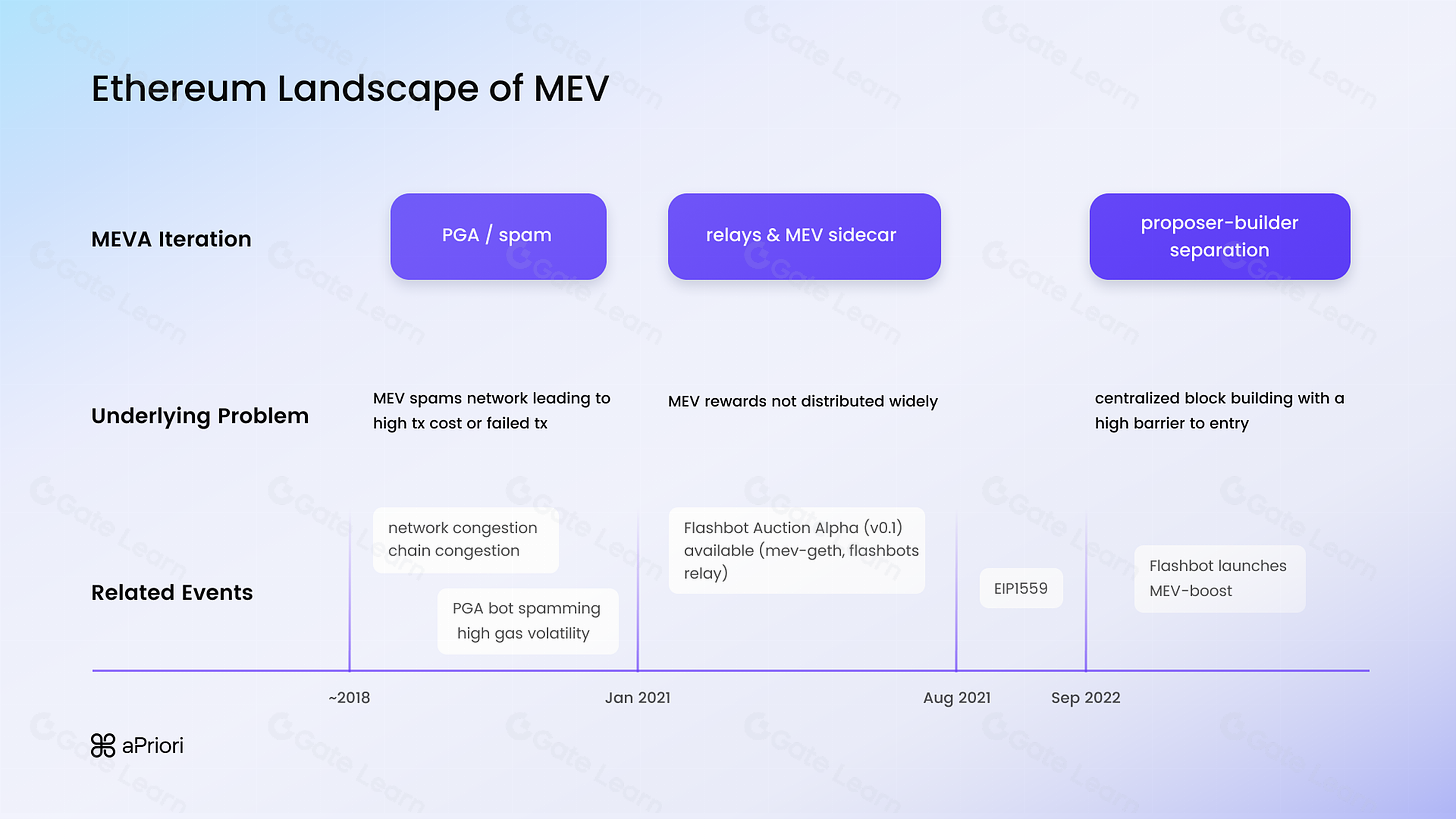
The transition to ZK-based settlement does not eliminate MEV entirely but changes its nature. Extractors now focus on "post-execution" MEV, such as arbitrage opportunities that arise after the ZK-proof is verified and the state is updated. This requires a different set of tools and faster execution layers, shifting the competition from prediction to reaction. As ZK-rollups become more mainstream, the industry is likely to see a decline in predatory mempool strategies and a rise in more complex, infrastructure-dependent MEV models.
The shift from prediction to reaction
The obscuring of transaction data forces a strategic pivot in MEV extraction. In the past, bots could predict profits by analyzing pending transactions. Now, they must react to the final state. This reduces the window of opportunity for traditional attacks and raises the barrier to entry for new extractors who lack the computational resources to simulate ZK-proof verification in real-time.
This change aligns with broader regulatory goals of reducing market manipulation. By making it harder to exploit pending transactions, ZK-rollups contribute to a more stable trading environment. However, it also means that MEV extraction becomes more technical and less accessible, potentially centralizing power among a few large players who can afford the necessary infrastructure.
Community reactions to MEV censorship
The Ethereum community has closely tracked the tension between transaction inclusion and censorship resistance, particularly as MEV-Boost relays gain prominence. Discussions on platforms like Reddit highlight the practical implications of OFAC-compliant blocks, with users noting improvements in non-compliant block ratios following the open-sourcing of MEV relays. This sentiment reflects a broader concern about the centralization of block-building power and its impact on network neutrality.
Developer and researcher perspectives
Key figures in the Ethereum ecosystem have voiced concerns about the bottleneck that MEV creates for censorship resistance. The debate often centers on the trade-offs between efficiency and decentralization, with some arguing that current MEV extraction mechanisms undermine the foundational principles of the network. These discussions are critical for understanding the long-term viability of MEV-Boost and similar technologies.
The ongoing dialogue within the community underscores the need for transparent and decentralized solutions to MEV extraction. As the ecosystem evolves, the focus remains on balancing efficiency with the core values of censorship resistance and decentralization.
Adjust your MEV watch strategy
Relay selection remains the primary defense against censorship. Validators should monitor MEV Watch daily to identify relays with high censoring rates or unstable uptime. Prioritizing relays with transparent audit logs and consistent block production reduces the risk of missing slots. Use the MEV-Boost leaderboards to diversify your relay set, ensuring no single provider controls a majority of your traffic.
Integrate ZK-aware strategies to mitigate extraction risks. As noted in 2026 ecosystem analyses, Flashbots SUAVE and similar privacy-focused protocols are shifting how MEV is extracted and redistributed. Validators can reduce exposure to front-running by routing transactions through these newer, privacy-preserving channels where available.
Adopt a multi-layered monitoring approach. Combine real-time alerts from MEV Watch with historical data analysis to spot patterns in censoring behavior. This allows you to preemptively switch relays before a blackout occurs, maintaining steady block production.
Frequently asked questions about MEV Watch
The separation of validation and block building through MEV-Boost has become a standard practice for Ethereum validators seeking to mitigate censorship risk. MEV Watch provides the necessary data to verify that relays are operating transparently, offering a clear view into who is building blocks and under what conditions.
No comments yet. Be the first to share your thoughts!