

Maximal Extractable Value (MEV) has long been a double-edged sword for decentralized exchanges (DEXs). While it can enhance market efficiency through arbitrage, it also exposes traders to predatory behaviors like front-running and sandwich attacks, eroding user trust and profitability. The emergence of MEV rebates is fundamentally altering this landscape by transforming MEV from a hidden tax into a tangible user reward, realigning incentives across the DeFi ecosystem.
MEV Rebates: Turning Adversity into User Value
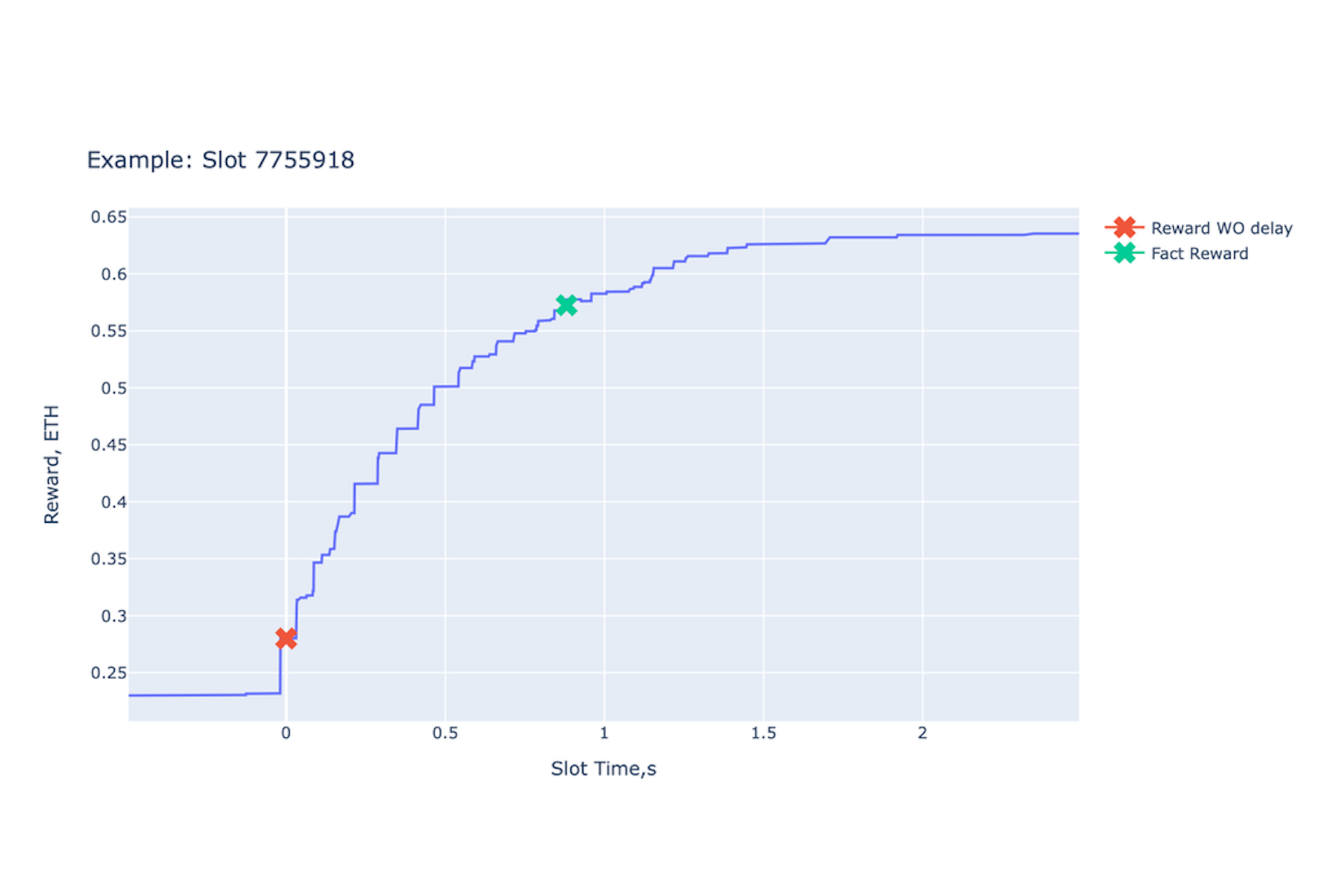
At its core, an MEV rebate is a mechanism that captures value usually extracted by searchers and block producers, then redistributes a portion of it back to the end user. This process is akin to a cashback system: whenever a user's trade on a DEX creates an MEV opportunity (such as backrunning), the protocol intercepts and shares the resulting value. Instead of suffering from slippage or increased transaction costs, users receive rebates, directly incentivizing their participation.
"This cashback-style approach is gaining traction because it aligns incentives across the board: users, protocols, and even liquidity providers. " (Source)
This shift is not just a technical upgrade but a philosophical pivot. MEV rebates are reframing the narrative around value extraction, making user protection and fair distribution central to protocol design. As a result, user confidence in DEXs is rising, and the market is seeing a measurable uptick in trading volumes routed through MEV-protected platforms.
Leading Platforms Pioneering MEV Sharing in DeFi
Several protocols have taken the lead in implementing MEV redistribution mechanisms, each offering unique strategies for user protection and reward:
Leading DEXs and Wallets Offering MEV Rebates
- MEV Blocker: A collaborative RPC endpoint developed by CoW Protocol, Gnosis, and Beaver Build, MEV Blocker protects users from sandwich and front-running attacks. It redistributes captured MEV as rebates—disbursing 156 ETH in rebates to traders in February 2025—and has secured over $60 billion in DEX trading volume.

- ZeroSwapDEX: By integrating Wallchain's SDK and RPC endpoints, ZeroSwapDEX routes trades privately to prevent sandwich attacks and shares captured MEV with users as rebates. This system is live on Polygon and BNB Chain, with plans to expand to additional EVM-compatible chains.
- OKX DEX Aggregator: In partnership with MetaMask and Consensys' SERVO, OKX's aggregator delivers MEV protection and rebates across 500+ DEXs on 25 blockchains, ensuring users benefit from fair execution and transparent value redistribution.
- Wallchain: A leading MEV rebate protocol, Wallchain integrates with multiple DEXs and wallets to ensure that extracted MEV is returned to users and protocols. As of 2025, it has facilitated MEV rebates totaling over 21,000 ETH for DEX users.

- MEV Blocker: As of May 2025, this platform has safeguarded over $60 billion in DEX trading volume, distributing 156 ETH in rebates to traders in February alone. Its transparent model builds trust by openly sharing performance data and rebate statistics.
- ZeroSwapDEX: By integrating Wallchain's SDK, ZeroSwapDEX routes trades privately to block sandwich attacks and redistributes captured MEV as rebates. The rollout began on Polygon and BNB Chain, with expansion plans for other EVM chains.
- OKX DEX Aggregator: Partnered with MetaMask and Consensys' SERVO, OKX now offers broad MEV protection across 25 blockchains, ensuring fair execution for users accessing over 500 DEXs.
These implementations demonstrate that MEV sharing in DeFi is no longer theoretical. It is a rapidly maturing field, with measurable impacts on user experience and protocol growth.
The Mechanics of MEV Cashback: How Users Benefit
The operational flow of MEV rebates is straightforward yet powerful. When a user submits a trade via an MEV-protected interface or wallet, the transaction is routed through private relays that prevent front-running. If the trade generates an MEV opportunity (e. g. , a backrun), the protocol captures this value before it can be extracted by external actors. The resulting profit is then split between the user (as a rebate), liquidity providers (to offset impermanent loss), and sometimes the protocol treasury.
This model creates a positive feedback loop:
- Users enjoy lower effective trading costs and reduced slippage.
- Liquidity providers gain additional revenue streams beyond swap fees.
- Protocols differentiate themselves through enhanced fairness and transparency, driving user acquisition.
The result is a more robust incentive structure that rewards participation rather than penalizing it. For a deeper dive into how these mechanics work in practice, see our guide on user-centric value redistribution in DeFi.
As the MEV rebate model gains traction, the competitive dynamics among DEXs are evolving rapidly. Protocols that can transparently demonstrate how they redistribute MEV are seeing a surge in both new and returning users. This is not only a function of direct financial benefit, such as the 156 ETH distributed by MEV Blocker in February 2025, but also a result of the increased trust and predictability that users now associate with MEV-sharing DEXs.
Broader Impacts: Shifting the DeFi User Incentive Paradigm
MEV rebates are fundamentally altering the calculus for DeFi user acquisition strategies. By converting what was once an invisible cost into a visible reward, DEXs can attract sophisticated traders and retail participants alike. This transformation is particularly significant in highly competitive environments, where trading fees and slippage are already razor-thin.
Moreover, the positive-sum nature of MEV cashback means that liquidity providers, too, benefit from the redistribution. Instead of losing value to external MEV extractors, LPs are compensated for their role in facilitating trades that generate MEV, creating a more balanced risk-reward profile and encouraging deeper liquidity pools.
Top Benefits of MEV Rebates for DeFi Users & LPs
- Cashback-Style Rewards: MEV rebates return a portion of extracted value directly to users, functioning like cashback on every trade and turning potential losses into tangible gains.

- Lower Trading Costs: Rebates help offset slippage and reduce effective trading fees, making DEX trading more cost-efficient for users.

- Enhanced Protection Against MEV Attacks: Platforms like MEV Blocker and ZeroSwapDEX shield users from front-running and sandwich attacks, safeguarding profits and ensuring fair execution.

- Increased Incentives for Liquidity Providers: MEV rebates allow LPs to capture a share of arbitrage value that would otherwise be lost, helping to offset impermanent loss and improving returns.

- Greater Transparency and Trust: Transparent redistribution of MEV fosters user confidence in protocol governance and aligns incentives across the ecosystem.

Protocols are also leveraging MEV rebates as a tool for protocol-level governance. By transparently sharing performance data and rebate distributions, projects foster a sense of shared ownership and community engagement. This is a marked departure from the opaque MEV extraction practices of earlier DeFi eras, where users often had little visibility into where value was going, or why.
Challenges and the Road Ahead
Despite their promise, MEV redistribution protocols are not without challenges. Technical hurdles remain in reliably capturing and distributing MEV at scale, especially as new attack vectors and searcher strategies emerge. Additionally, the balance between privacy (to prevent front-running) and transparency (to maintain trust) is delicate; protocols must continually iterate to avoid unintended consequences or centralization risks.
Regulatory clarity is another area to watch. As MEV rebates become more mainstream, questions around fair disclosure, taxation, and cross-jurisdictional compliance will likely surface. The industry will need to collaborate on standards that protect users without stifling innovation.
What’s Next for MEV User Rewards?
The trajectory is clear: MEV user rewards are on track to become a standard feature of leading DeFi protocols. Cashback-style incentives not only level the playing field but also unlock new forms of protocol differentiation. As more DEXs adopt these models, users will increasingly demand transparent MEV redistribution protocols as part of their baseline trading experience.
For developers, this means integrating robust MEV protection and rebate logic at both the contract and interface levels. For traders and LPs, it signals an era where MEV is no longer an uncontrollable risk but a measurable source of yield. The winners in this space will be those who can balance security, fairness, and user experience while keeping pace with the rapid evolution of MEV strategies.
"MEV rebates are not just a feature, they are fast becoming the expectation for any DEX that wants to compete in the next phase of DeFi growth. "
For those eager to explore further or implement these strategies in their own protocols, our in-depth analysis on rules-based MEV redistribution provides actionable insights into design choices and market impacts.




No comments yet. Be the first to share your thoughts!