
Why MEV protection matters now
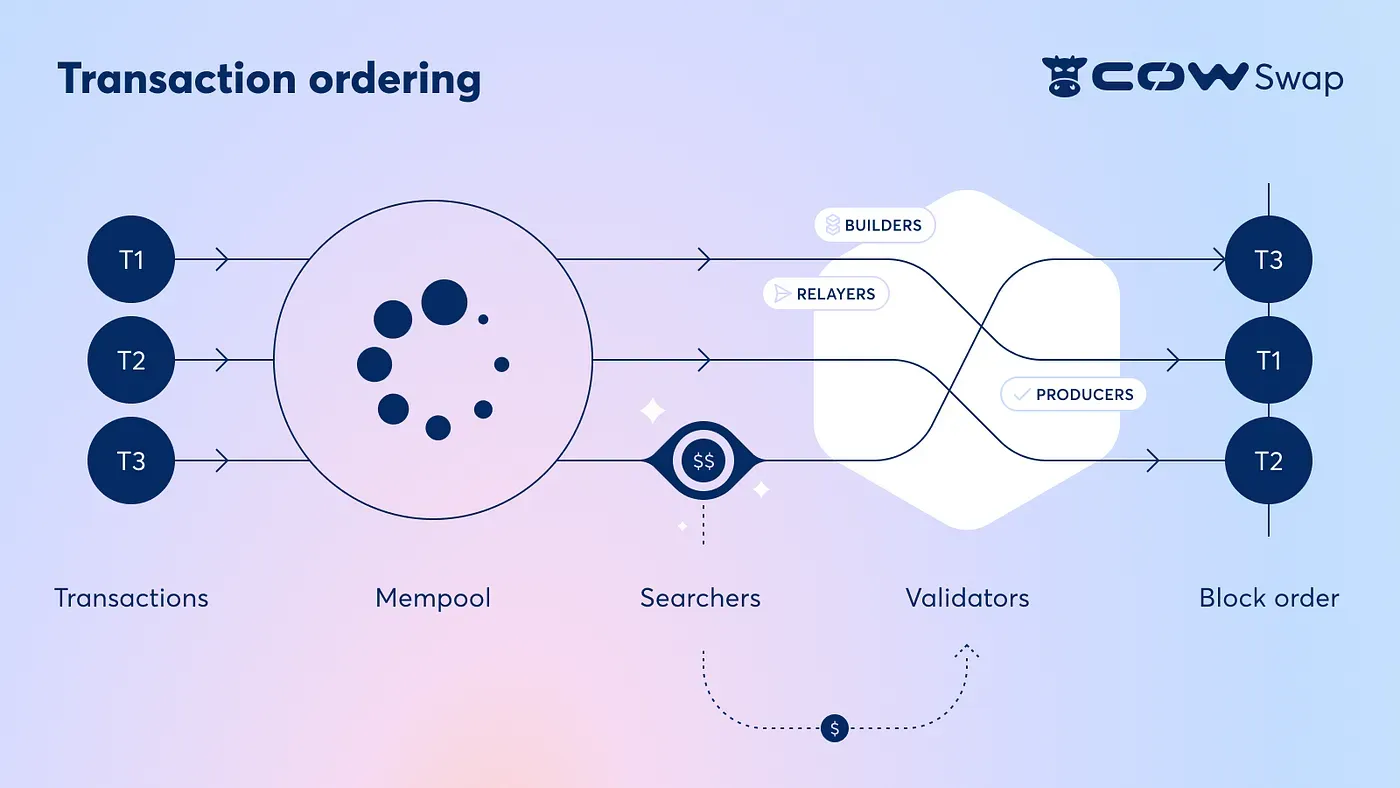
MEV protection is a set of strategies designed to shield your crypto transactions from price manipulation. Without it, your trades are vulnerable to being front-run or sandwiched by bots that exploit the public visibility of your orders in the mempool. Think of MEV protection as a privacy shield for your trade, ensuring the market price you see is the price you get, not a distorted version engineered for extraction.
The stakes are higher in 2026 because AI-driven search bots and automated trading agents have made the mempool more crowded than ever. These agents don't just react; they predict. They scan for large buy orders and insert their own transactions ahead of yours, buying low and selling high before your trade even executes. This "sandwich attack" doesn't just cost you a few cents; it erodes your entry price and reduces your potential profit margin on every single trade.
Turning off MEV protection is like leaving your house key under the mat. You might not get robbed every day, but the risk is constant and the cost of failure is high. Protection mechanisms like private transaction relays or commit-reveal schemes keep your trade details hidden until they are already confirmed on-chain. This prevents bots from seeing your intent and acting on it. For any serious trader, enabling MEV protection is not an optional feature; it is a fundamental requirement for fair execution.
How AI search bots change the game
The landscape of Maximum Extractable Value (MEV) is shifting from simple script-based arbitrage to sophisticated, AI-driven searchers. These advanced bots no longer just react to mempool signals; they predict market movements and execute complex strategies with greater speed and precision. This evolution makes traditional protection methods less effective, as the attackers are now more adaptive and harder to outmaneuver.
AI searchers analyze on-chain data patterns to identify profitable opportunities before they become obvious to human traders or basic algorithms. This capability increases the frequency and severity of sandwich attacks, where a bot fronts your trade, forces a price slippage, and then immediately sells for a profit. The result is a more hostile trading environment where the cost of execution rises and the risk of unfavorable fills increases significantly.
To stay secure, traders must adopt robust MEV protection strategies that can withstand this new level of automation. Using protected DEXs, private RPCs, or wallets with built-in defense mechanisms is no longer optional but essential. These tools help obscure transaction details from the public mempool, reducing the visibility that AI bots rely on to execute their strategies.
Top MEV protection tools compared
Choosing the right MEV protection depends on your workflow. Wallets like MetaMask and Ledger offer built-in shields that route transactions through private relays. These are the easiest options for everyday traders who want to avoid sandwich attacks without changing their setup.
For developers and advanced users, dedicated RPC services provide deeper control. Providers like QuickNode and Infura offer MEV protection at the node level, allowing you to integrate private transaction submission directly into your dApps or scripts. This approach is essential when you need to bypass public mempool visibility entirely.
The following table compares the key features of leading MEV protection solutions. It highlights the trust model, supported chains, and cost structure to help you select the right tool for your specific needs.
| Tool | Type | Trust Model | Chains | Cost |
|---|---|---|---|---|
| MetaMask | Wallet | Third-party relay | EVM | Free |
| Ledger | Wallet | Third-party relay | EVM | Free |
| Infura | RPC | Private node | EVM | Included in plan |
| QuickNode | RPC | Private node | Multi-chain | Included in plan |
When evaluating these options, consider the trade-off between convenience and control. Built-in wallet protection is passive and requires no configuration, making it ideal for most users. However, if you are building a dApp or executing high-frequency trades, an RPC-level solution gives you more granular control over transaction ordering and privacy.

Setting up your wallet for safety
Your wallet is the primary interface for your assets, and its configuration determines how visible your trades are to front-running bots. Enabling MEV protection is not optional for serious trading; it is the baseline security setting that prevents your transactions from being intercepted in the public mempool. Most major wallets now include this feature by default, but verifying the settings ensures your transactions are routed through private relays.
MetaMask has integrated MEV protection through Infura, which is enabled by default on Ethereum Mainnet and Polygon. To confirm, open your wallet, click the three-dot menu in the top right, and select "Settings." Navigate to "Advanced" and ensure the "MEV Protection" toggle is switched on. This routes your transactions through a private relay, shielding them from sandwich attacks.
For hardware wallet users, Ledger Wallet includes MEV protection by default. This feature protects your transactions from exploitation, improving the safety and reliability of your swaps. While no manual toggle is typically required, you should verify that your Ledger Live application is updated to the latest version to ensure you are using the most current relay infrastructure.
Trust Wallet users should navigate to the "Settings" menu within the app and look for the "MEV Protection" option. Enabling this ensures that your transactions are broadcast via a private node rather than the public mempool. This is particularly important for high-value swaps where the potential for extraction is highest.
After enabling these settings, test your configuration with a small transaction. Observe the transaction hash on a block explorer. If the transaction was protected, it may not appear in the public mempool in the same way, or you will see it executed without the typical slippage associated with sandwich attacks.
Note: MEV protection is generally offered at no additional cost to users, but it does not replace the need for careful trade execution. Always use limit orders or slippage tolerance settings in conjunction with MEV protection for maximum security.
Setting up your wallet is the first line of defense. By ensuring these settings are active, you remove the easiest target for MEV bots, making your trading activity significantly more secure and cost-effective.
Frequently asked: what to check next
Should I turn on MEV protection?
Yes. Without it, your transactions sit in the public mempool, making you an easy target for sandwich attacks where bots front-run and back-run your trade. As noted by MetaMask, enabling this feature mitigates these harmful MEV vectors automatically, ensuring your trades execute at the price you intended rather than a manipulated one.
Does MEV protection cost more?
No. Providers like Infura offer MEV protection to developers and users at no additional cost. While some private RPC services may charge a premium for their infrastructure, the core protection against frontrunning and sandwiching does not add a specific "MEV tax" to your transaction fees.
How can MEV be prevented?
The most direct prevention is hiding your transaction intent until it is included in a block, often achieved through private RPCs or encrypted mempools. Alternatively, you can use protected DEXs or wallets with built-in defense mechanisms that route orders through these private channels, ensuring your trade data remains invisible to malicious searchers until it is too late to exploit.
No comments yet. Be the first to share your thoughts!